
KURE Kids Header Line
badge icon

Bu içerik çocuklar için Türkçe olarak yazılmış olup yapay zeka ile otomatik olarak İngilizceye çevrilmiştir.

Kula Volcanoes

Son Güncellenme: 01.12.2025

The Meeting Place of Fire and Stone

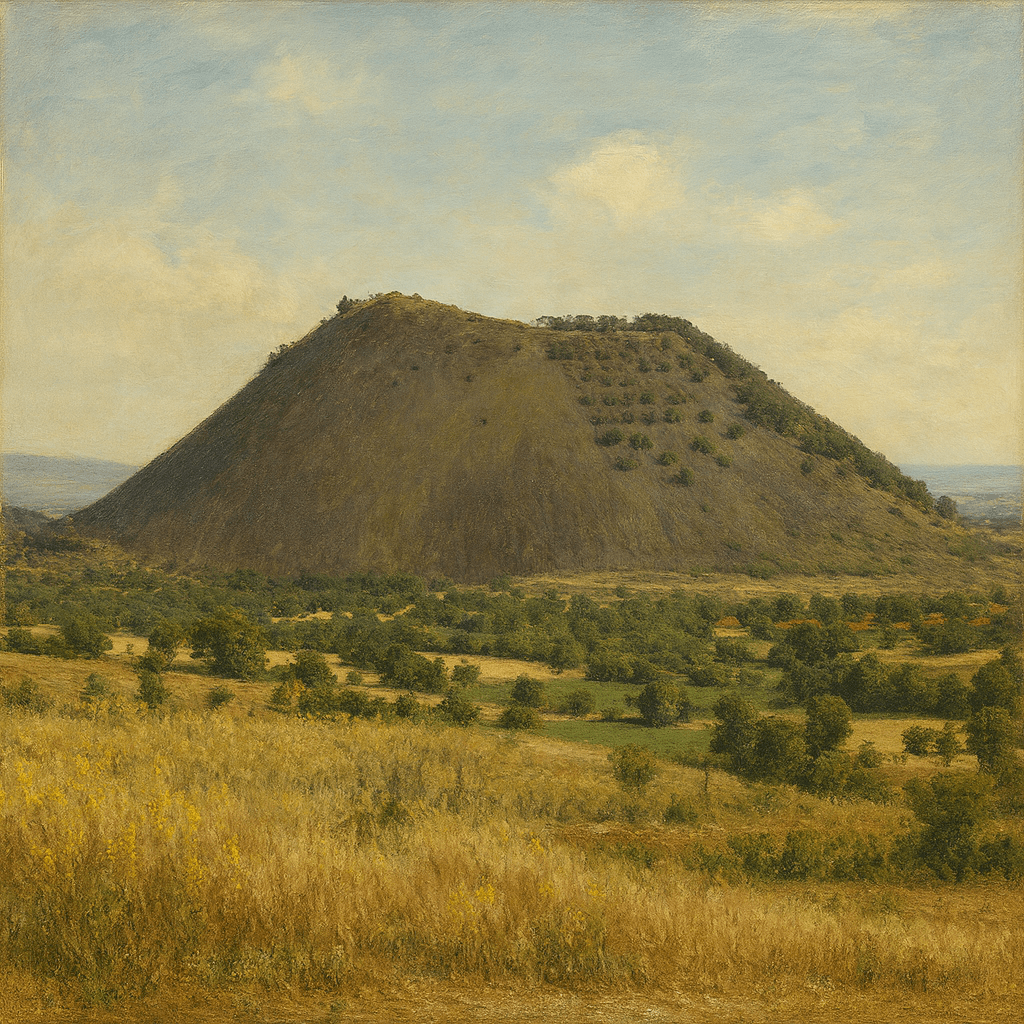
The Kula Volcanoes are a unique region located in the Kula district of Manisa, also known as “The Burnt Land.” In ancient times, lava flows erupted onto the surface, shaping the soil and rocks. Although these volcanoes are now extinct, the lava flows, craters, and volcanic cones they left behind have transformed the area into an open-air museum.


Generated by Artificial Intelligence


Where and How Were the Kula Volcanoes Formed?

The Kula Volcanoes are notable for their black volcanic hills, visible even from the İzmir-Ankara highway. Hundreds of years ago, molten rock fragments from deep within the Earth rose to the surface, forming these hills. Repeated volcanic eruptions at different times led to three distinct volcanic periods in the region, known as Burgaz, Elekçitepe, and Divlittepe.


Characteristics of the Volcanoes in the Region

Maar-type volcanoes: Most feature wide, circular craters.


Fissure volcanism: Lava emerges and spreads through long cracks in the ground.


Aa-type lava: Characterized by a rough, jagged, and rigid surface.


Hornitos: Natural formations created when lava builds small mounds during flow.


Some cones have double craters, while others appear freshly formed. Most of the lava flows in the region consist of basalt rock.


The Creative Power of Nature

The Kula Volcanoes offer a unique observational site for both geology enthusiasts and nature lovers. This area is part of the UNESCO Global Geoparks Network. While walking here, you can trace the paths of lava flows that originated millions of years ago and examine the different rock types surrounding the volcanic cones.


Three-Dimensional Representation

Kula Volcanoes (ArcGIS)

Bunlara Göz Atmayı Unutma!
Bilim ve Teknoloji
cat img
Tarih ve Kültür
cat img
Sanat ve Edebiyat
cat img
image
En Çok Okunan
Yanmayan El Deneyi
arrow
image
En Yeni Eklenen
Ayna
arrow
ilham-notu-bg
MERAKLI ÇOCUKLARA İLHAM NOTU!

You can also do a volcano experiment at home! By creating a small “lava eruption” using a soda bottle, baking soda, and vinegar, you can observe how volcanoes erupt. (But always do this under adult supervision!)

KURE Kids Kure Card Pin Icon
KURE Kids Kure Card Book Icon
ChatGPT Image 16 Ağu 2025 13_42_30.png

Kula Volcanoes

Type(s)

Extinct volcanoes

Place(s)

Manisa

Kula District

Formation

Maar and cinder cone volcanoes

Property

UNESCO Global Geopark member

Important Cones

Divlittepe

Elekçitepe

Kara Divlit

Sandal

Elevation(s)

Average 600–700 metres

Bunu Kim Yazdı?
Kids Writing
YazarHikmet Can Urhan1 Aralık 2025
bottom-bg-effect-bottom
bottom-bg-effect-top

The Kula Volcanoes are a region located in Manisa, formed by volcanic eruptions millions of years ago and now preserved as a natural and cultural heritage site. The diverse volcanic cones, lava flows, and craters vividly display the power of nature.

Kaynakça


ArcGIS. "Kula Volkanik Jeoparkı 3B Harita Görselleştirmesi." ArcGIS. Accessed August 16, 2025. Accessed adresi

Kula-Salihli Geopark. "Kula Divlit Volkanik Park." Kula-Salihli Geopark. Accessed August 16, 2025. https://kulasalihligeopark.com/kula-divlit-volkanik-park

T.C. Ministry of Culture and Tourism. "Kula Volkanları - Manisa." Türkiye Kültür Portalı. Accessed August 16, 2025. https://www.kulturportali.gov.tr/turkiye/manisa/gezilecekyer/kula-volkanlari

ilham-notu-bg
ilham-notu-bg
ilham-notu-bg
HEYY!
Bunları Biliyor
Muydun?
Lamb
Lamb