

+2 More

Location | Balıkesir Burhaniye Karataş Area Ören Tepe Vicinity | ||||||||
|---|---|---|---|---|---|---|---|---|---|
Foundation | Originally founded by the Pelasgians; Rebuilt by Lydian Prince Adramys | ||||||||
Historical Period | 6th Century BCE and Earlier; Lydian Era Persian Rule; Ionian Revolt (499–494 BCE) | ||||||||
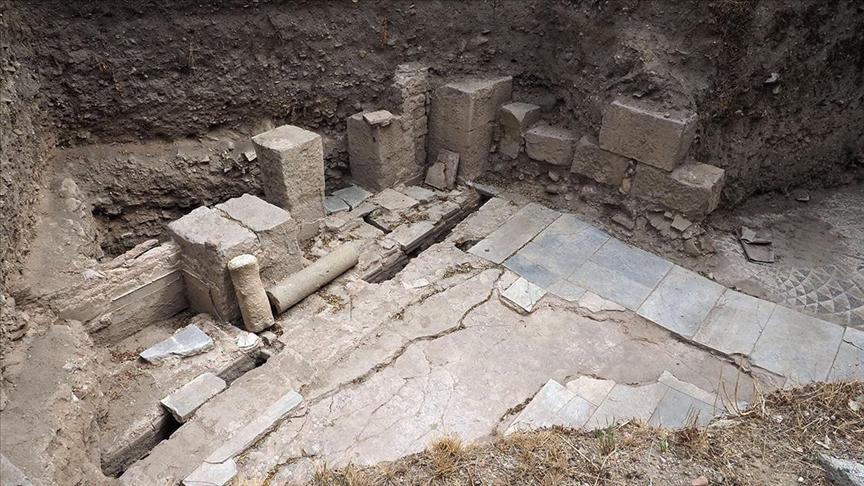
Roman Bath | Underground Heating System 3rd Century Mosaic Floor | ||||||||
Prehistoric Traces | Agricultural Communities Dating Back to the Neolithic Period Axes Flint Tools Grinding Stones | ||||||||
Adramytteion Ancient City is located in the Karataş area of the Ören Tepe region, within the district of Burhaniye, in Balıkesir Province, Türkiye. The city was originally founded by the Pelasgians and, according to Strabo, was later rebuilt by the Lydian prince Adramys. During this period, exiled inhabitants from the island of Delos in Athens were settled in the region.
In 546 BCE, following the defeat of the Lydian Kingdom by the Persians, Adramytteion was incorporated into the satrapy of Daskyleion. During the Ionian Revolt (499–494 BCE), the inhabitants of the city were massacred, and the city was destroyed and left in ruins. As one of the important cities of the ancient region of Mysia, Adramytteion had the authority to mint its own coins.
Excavations at the site have uncovered a well-preserved ancient harbor, storage buildings overlooking the harbor, Byzantine-period residential structures, church remains, a ceramic kiln, and Late Antiquity-period tombs. In a Roman-era bath complex, an underground heating system and a mosaic floor with geometric motifs have been discovered. The floor of this bath structure has been dated to the 3rd century CE.
Excavations and surface surveys show that the region was inhabited as early as the Early Iron Age. Additionally, research conducted in the Sülüklüçeşme area of rural Burhaniye has revealed traces of agricultural communities dating back to the Neolithic period. Artifacts found include axes, grinding slabs, pestles, and flint tools.
Adramytteion is mentioned in Herodotus' work Histories. It was located along the route taken by the army of Cyrus, who rebelled against Persian King Artaxerxes. The city’s founder is traditionally identified as Adramys, son of a Lydian king. The location of the ancient city was identified in the late 19th century, and scientific surface surveys were initiated in 1997 by Prof. Dr. Engin Beksaç. Excavations continued between 2001 and 2007, and were resumed in 2012 under the direction of Dr. Hüseyin Murat Özgen.
Anadolu Ajansı. "Adramytteion Ancient City Reveals 'First Agriculture' Traces." Accessed June 17, 2025. sanat/adramytteion-antik-kentinde-ilk-tarim-izleri/1597100.
Anadolu Ajansı. "Underground Heating System of Roman Bath Discovered in Adramytteion Excavation." Accessed June 17, 2025. https://www.aa.com.tr/tr/kultur/adramytteion-kazisinda-roma-hamamina-ait-yer-alti-isitma-sistemi-bulundu/2702905.
Balıkesir Valiliği. "Antik Kentler." Accessed June 17, 2025. https://www.balikesir.gov.tr/antik-kentler.
T.C. Kültür ve Turizm Bakanlığı. "Antik Kentler (Ören Yerleri)." Accessed June 17, 2025. https://balikesir.ktb.gov.tr/TR-90612/antik-kentler-oren-yerleri.html.
Türkiye Kültür Portalı. "Adramytteion Ancient City - Balıkesir." Accessed June 17, 2025. https://www.kulturportali.gov.tr/turkiye/balikesir/gezilecekyer/adramytteion-antik-kenti.

Location | Balıkesir Burhaniye Karataş Area Ören Tepe Vicinity | ||||||||
|---|---|---|---|---|---|---|---|---|---|
Foundation | Originally founded by the Pelasgians; Rebuilt by Lydian Prince Adramys | ||||||||
Historical Period | 6th Century BCE and Earlier; Lydian Era Persian Rule; Ionian Revolt (499–494 BCE) | ||||||||
Roman Bath | Underground Heating System 3rd Century Mosaic Floor | ||||||||
Prehistoric Traces | Agricultural Communities Dating Back to the Neolithic Period Axes Flint Tools Grinding Stones | ||||||||
No Discussion Added Yet
Start discussion for "Adramytteion Ancient City" article
Historical Development and Political Status
Archaeological Findings
Prehistoric and Early Settlement
Historical Sources and Modern Research
This article was created with the support of artificial intelligence.


