


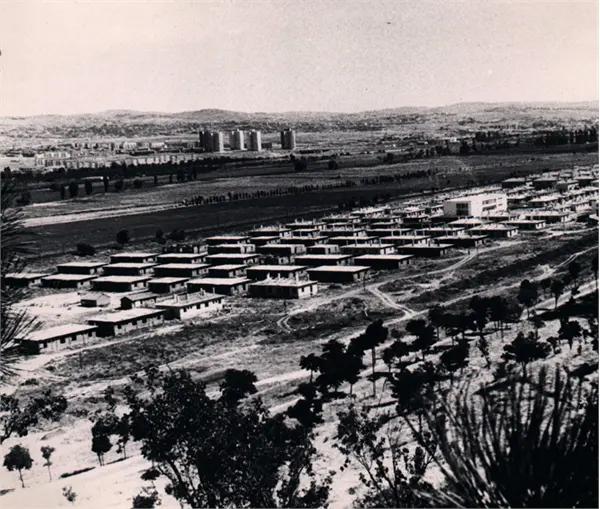
Atatürk Forest Farm
Year of Establishment | 1925 | ||||||||
|---|---|---|---|---|---|---|---|---|---|
Founder(s) | Mustafa Kemal Atatürk | ||||||||
Date of Donation to the Treasury | June 11–13 1937 | ||||||||
Legal Status | Law No. 5659 on the Establishment of the Atatürk Forest Farm Directorate (March 24, 1950) | ||||||||
Affiliated Institution | Ministry of Agriculture and Forestry | ||||||||
Location | Ankara (Türkiye) | ||||||||
Purpose(s) | To create social and recreational areas To establish industrial agricultural facilities To demonstrate modern agricultural and livestock practices | ||||||||
Names Used | Atatürk Forest Farm Directorate (Present) Gazi Forest Farm (1937–1950) Forest Farm (1925–1937) | ||||||||
Atatürk Forest Farm was established in the early years of the Republic in accordance with Atatürk’s vision of agricultural-based economic development. It was intended to serve as a model both for the peasant population and for state institutions involved in the agricultural sector. Atatürk emphasized the importance of ensuring that farmers were not left landless and advocated for supporting them with modern machinery to enable efficient farming practices. Reflecting these principles, the establishment of Atatürk Forest Farm aimed to provide a prototype for the modernization of agriculture.
Mustafa Kemal Atatürk at Atatürk Forest Farm (Fırat Gökdemir)
In the early years of the Republic, Türkiye's economy was predominantly based on agriculture, with a significant portion of the population residing in rural areas. Atatürk regarded the peasants as the true owners and masters of the country, advocating for their access to land ownership and emphasizing the necessity of supporting them with modern machinery to enhance productivity. Furthermore, he highlighted the importance of cooperatives and stressed the transition to modern agricultural methods to increase efficiency among the rural population. These ideas fundamentally motivated the establishment of the Atatürk Forest Farm.
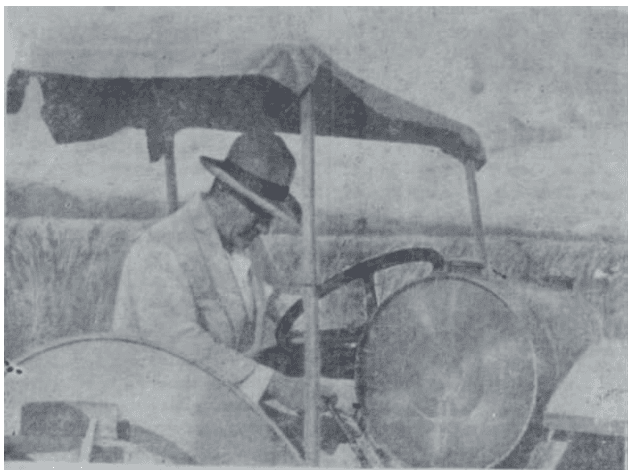
Mustafa Kemal Atatürk on a Tractor (Atatürk Research Center)
Since its inception, Atatürk Forest Farm has engaged in numerous activities in the fields of agriculture and animal husbandry. Wheat constituted the majority of the cereals cultivated, while barley production notably increased following the establishment of a brewery in 1934. Additionally, small ruminant husbandry was pursued, with breeds such as Merino, Karagül, Kıvırcık sheep, and Ankara goats being raised.
The farm also developed productive orchards and vegetable gardens using modern agricultural techniques. By 1930, orchard areas exceeded 150 acres (approximately 15 hectares), and by the 1950s, vegetable gardens expanded to cover up to 72 acres (about 7.2 hectares). Fruits such as apples, plums, pears, and walnuts were cultivated, alongside the planting of ten thousand vine cuttings during the same period. Moreover, tree species including acacia, ash, elm, and gladiolus were planted to create forested areas.
Beekeeping activities were also conducted, with one hundred and ten beehives established by 1931. Beyond agriculture and animal husbandry, Atatürk Forest Farm became notable for its industrial ventures. The farm housed malt, beer, soda, soft drinks, and ice factories, as well as facilities for milk and yogurt production, wineries, and a leather factory.
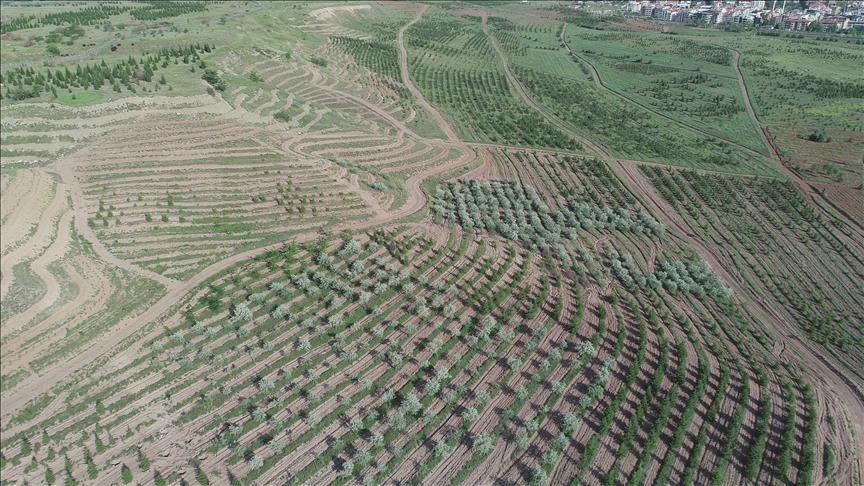
Atatürk Forest Farm Newly Planted Saplings, 2018 (AA)
The infrastructure of Atatürk Forest Farm was extensive. The administrative building, constructed in 1926, along with manufacturing workshops, hangars, barns, kitchens, and other worker facilities, was built by the German company Philipp Holzmann. The construction cost amounted to approximately 430,000 Turkish Lira. Additionally, workshops for mechanics, leveling, turning, carpentry, and casting were established within the farm, facilitating industrial production.
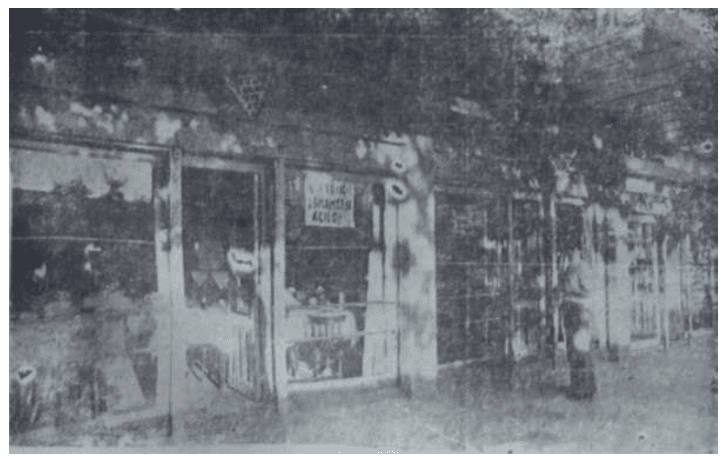
Atatürk Forest Farm Restaurant (Atatürk Research Center)
To ensure the sustainability of the farms he established and to guarantee the continuity of their founding objectives, Atatürk donated the Forest Farm and his other farms to the Treasury through two written declarations dated June 11 and June 13, 1937. These donations were made to ensure that the farms would be managed in accordance with their intended purposes.
Following the donation, Law No. 3308, enacted on January 1, 1938, established the State Agricultural Enterprises Institution (Devlet Ziraat İşletmeleri Kurumu, DZİK), to which all immovable properties of the farms were transferred. With this legislation, the farms began to be managed by the state, enabling these significant agricultural and livestock enterprises founded by Atatürk to continue contributing to the country’s economic development.
After the donation, the Forest Farm continued its operations under the name "Gazi Forest Farm." This process ensured that Atatürk’s farms remained at the service of the public and became an important example within the framework of state agricultural policies.
Atatürk donated the farms to the treasury in 1937 and ensured their management by the State Agricultural Enterprises Institution (DZİK) in 1938. In 1950, with Law No. 5659, Atatürk Forest Farm gained autonomous legal personality under the Ministry of Agriculture. Over time, the farm was expanded, incorporating new activities such as winemaking. However, due to urban development in Ankara, some activities were discontinued. The law also made the transfer of Atatürk Forest Farm lands more difficult and provided protection against expropriation and development projects. Articles 9 and 10 were enacted to prevent the transfer of lands and to protect the Atatürk Forest Farm.
The present use of Atatürk Forest Farm has been shaped by a gradually declining agricultural and livestock production. Due to urban infrastructure demands, the farm’s land has been fragmented, resulting in the loss of its original agricultural functions. While large-scale livestock farming has diminished, milk production now relies on external suppliers. Other livestock-related factories have also ceased operations. Wine production continues using grapes sourced externally, as viticulture is no longer practiced on-site. The majority of the farm’s land is currently utilized for non-agricultural purposes such as forestry, parks, and roadways.
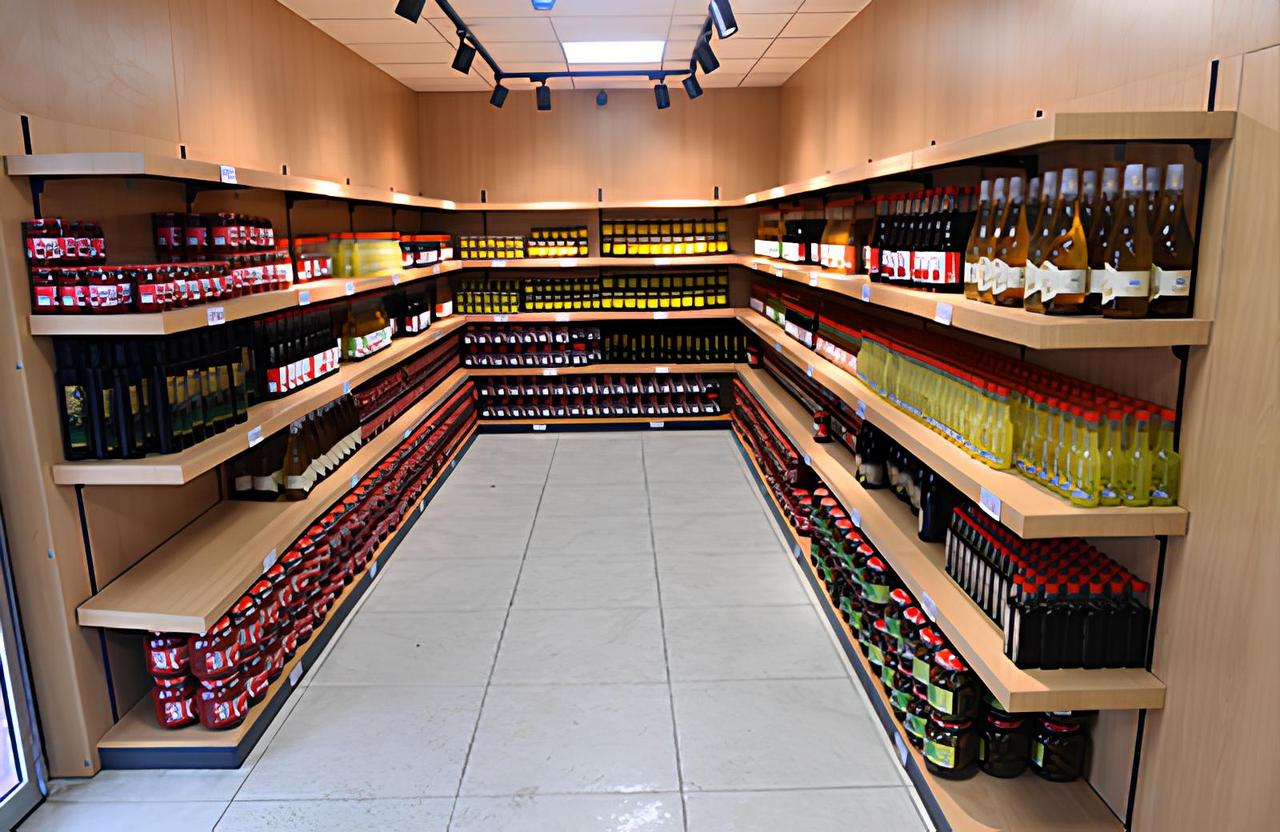
Food Products Produced by Atatürk Forest Farm (Journal of Agriculture and Forestry)
Today, the farm is primarily used for recreational activities such as a zoo, picnic areas, and restaurants. Additionally, food products, including milk and dairy items, wine, and ice cream, produced at the farm are marketed within Ankara and its surrounding regions.
Atak, Eser, and S. Zafer Şahin. “Atatürk Orman Çiftliği’nin 79 Yılı ve Çiftliğin Korunmasına Yönelik Politika Arayışları.” SPO, PDF file. Accessed May 23, 2025. https://www.spo.org.tr/resimler/ekler/90e982518a50e28_ek.pdf.
“Atatürk Orman Çiftliği (AOC).” Republic of Turkey Ministry of Agriculture and Forestry. Accessed May 23, 2025. https://www.aoc.gov.tr/Portal/Anasayfa.
“Atatürk Orman Çiftliği’ne 2.1 Milyon Fidan.” Anadolu Agency. Accessed May 23, 2025. https://www.aa.com.tr/tr/turkiye/ataturk-orman-ciftligine-2-1-milyon-fidan/1178691.
“Bir Değişimin Hikayesi: Atatürk Orman Çiftliği.” Republic of Turkey Ministry of Agriculture and Forestry. Accessed May 23, 2025. http://www.turktarim.gov.tr/Haber/991/bir-degisimin-hikayesi-ataturk-orman-ciftligi.
“Video: Atatürk Orman Çiftliği.” YouTube video, 4:02. Accessed May 23, 2025. https://www.youtube.com/watch?v=Q2hmiE0BYG8.

Atatürk Forest Farm
Year of Establishment | 1925 | ||||||||
|---|---|---|---|---|---|---|---|---|---|
Founder(s) | Mustafa Kemal Atatürk | ||||||||
Date of Donation to the Treasury | June 11–13 1937 | ||||||||
Legal Status | Law No. 5659 on the Establishment of the Atatürk Forest Farm Directorate (March 24, 1950) | ||||||||
Affiliated Institution | Ministry of Agriculture and Forestry | ||||||||
Location | Ankara (Türkiye) | ||||||||
Purpose(s) | To create social and recreational areas To establish industrial agricultural facilities To demonstrate modern agricultural and livestock practices | ||||||||
Names Used | Atatürk Forest Farm Directorate (Present) Gazi Forest Farm (1937–1950) Forest Farm (1925–1937) | ||||||||
No Discussion Added Yet
Start discussion for "Atatürk Forest Farm" article
Atatürk’s Perspective on Agriculture and the Peasantry
Activities and Productions at the Farm
Infrastructure and Manufacturing
Atatürk’s Donations and Transfer of the Farm to the State
Legal Regulations and Changes Concerning Atatürk Forest Farm
Current Usage of Atatürk Forest Farm
This article was created with the support of artificial intelligence.