+1 More

Name(s) | Barley Tea (Mugicha in Japan) | ||||||||
|---|---|---|---|---|---|---|---|---|---|
Type(s) | Herbal Beverage / Grain-Based Tea | ||||||||
Main Ingredient | Roasted Barley Grains (Hordeum vulgare) | ||||||||
Way of Consumption | Cold (Common in Summer) or Hot | ||||||||
Cultural Distribution | Japan Korea China India | ||||||||
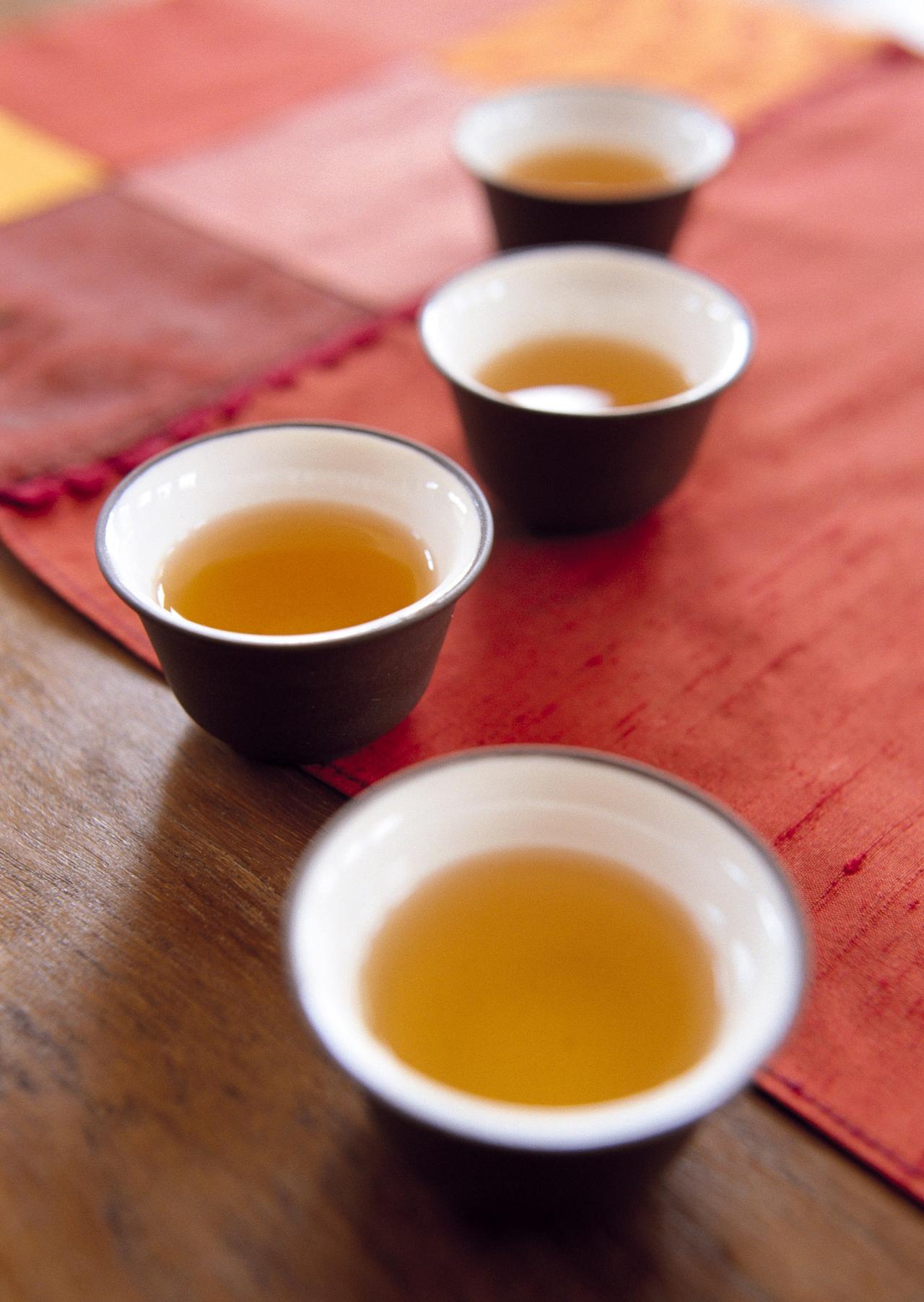
Barley tea is a caffeine-free, natural beverage made by brewing roasted barley grains in hot or cold water. It is traditionally consumed in many East Asian countries, particularly in Japan, Korea, and China. Known as mugicha in Japan, this drink is prepared from roasted barley grains and is typically served cold during the summer months. Due to its lack of caffeine, it is also preferred by children and the elderly.

Barley Tea (Pxhere)
Barley tea emerged as an extension of barley’s role in agricultural and culinary traditions. Barley was domesticated in the Fertile Crescent region of the Near East around 8000 BCE and became one of the staple grains in human diets. It has been consumed in various forms, both as food and drink, across different regions throughout history. Barley tea, in particular, has established itself as a traditional beverage with a long-standing presence in East Asian cultures. In Japan, Korea, and China, roasted barley grains for tea are either prepared at home or commercially available. Traditionally, it is consumed as a daily beverage, either as a substitute for drinking water or alongside meals.
Various phenolic compounds have been identified in barley tea. Among them are p-hydroxyacetophenone, 5,7-dihydroxychromone, naringenin, quercetin, and isoamericanol A. Additionally, other known compounds such as p-hydroxybenzaldehyde, 3,4-dihydroxybenzaldehyde, p-hydroxybenzoic acid, vanillic acid, and p-coumaric acid have also been isolated from tea samples.
The antioxidant capacities of these compounds have been evaluated, particularly by measuring their peroxynitrite scavenging activities. In the study, 3,4-dihydroxybenzaldehyde, p-coumaric acid, quercetin, and isoamericanol A demonstrated stronger antioxidant effects than BHT (butylated hydroxytoluene), a commonly used synthetic antioxidant. This finding suggests the potential biological functionality of barley tea. In particular, quercetin (23.2 mg/kg) and p-coumaric acid (103 mg/kg) were found in relatively high concentrations and exhibited notable antioxidant properties.
In contemporary Japan, barley tea can be prepared at home, while roasted barley grains are also commercially available. The beverage can be consumed either hot or cold, with cold preparation being particularly common during the summer months. Due to its caffeine-free nature, it is especially favored by children, the elderly, and individuals sensitive to caffeine. While mugicha was traditionally made at home using roasted barley grains, it could also be found in packaged and ready-to-drink forms.
EtOH, H., Murakami, K., Yogoh, T., Ishikawa, H., Fukuyama, Y., & Tanaka, H. (2004). “Anti-Oxidative Compounds in Barley Tea.” Bioscience, Biotechnology, and Biochemistry, 68(12), 2616–2618. Erişim Tarihi: 8 Temmuz 2025. https://doi.org/10.1271/bbb.68.2616.
Newman, C. W., & Newman, R. K. (2006). “A Brief History of Barley Foods.” Cereal Foods World, 51(1), 4–7. Erişim Tarihi: 8 Temmuz 2025. http://new.westerntrailsfood.com/docs/barley_history_newmans.pdf.
PxHere. “Tea da hong pao tea cup.” PxHere. Yayın Tarihi: 1 Mart 2017. CC0 Public Domain. Erişim Tarihi: 21 Temmuz 2025. https://pxhere.com/photo/917787.
“Closeup of Set of China Tea on Mat.” Creazilla. Erişim Tarihi: 8 Temmuz 2025. https://creazilla.com/media/photo/1506725/closeup-of-set-of-china-tea-on-mat.

Name(s) | Barley Tea (Mugicha in Japan) | ||||||||
|---|---|---|---|---|---|---|---|---|---|
Type(s) | Herbal Beverage / Grain-Based Tea | ||||||||
Main Ingredient | Roasted Barley Grains (Hordeum vulgare) | ||||||||
Way of Consumption | Cold (Common in Summer) or Hot | ||||||||
Cultural Distribution | Japan Korea China India | ||||||||
Historical Background
Composition and Antioxidant Properties
Usage and Consumption
This article was created with the support of artificial intelligence.