
+1 More


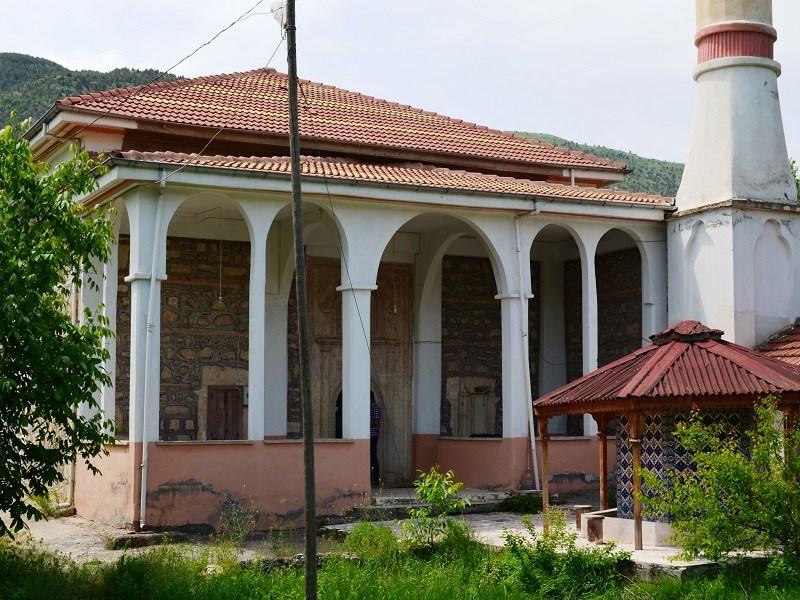
Bektaş Bey Mosque, located in Sarpkaya Village of the Çamoluk district in Giresun, is one of the significant examples of Ottoman-period religious architecture. According to historical records, the mosque was built in 1816 (1232 AH) by Çeçenzade Hasan Bektaş Bey. The structure is regarded as one of the most notable mosques in the Giresun region due to its architectural plan, wooden craftsmanship, and interior decorations. Today, it has been registered as a “cultural heritage site requiring protection” by the Ministry of Culture and Tourism’s High Council of Immovable Cultural and Natural Assets with decision number 464 dated July 29, 2015.
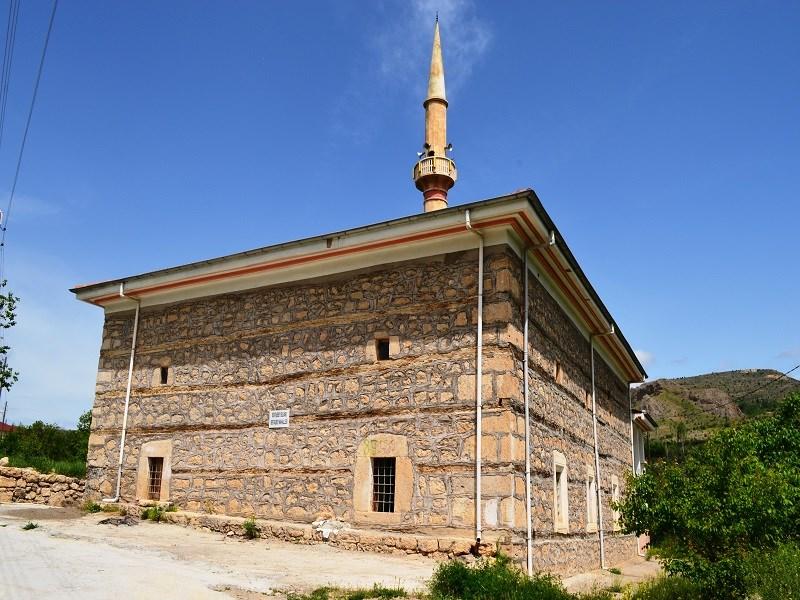
Bektaş Bey Mosque - (Çamoluk Kaymakamlığı)
The construction of the Bektaş Bey Mosque dates back to the early 19th century. It is said that Bektaş Bey, after demonstrating success during the Ottoman Empire’s conquest period, was sent by the Governor of Trabzon to the Kelkit basin, where he served as the Bey of the Kelkit Valley for a time and commissioned the mosque during this period.
Although the mosque’s inscription has not survived to the present day, various publications mention that there was an empty inscription panel above the entrance door and that the mosque was built by Çeçenzade Hasan Bektaş Bey in 1816 (1232 AH). Additionally, records from the Çamoluk District Governorship state that the mosque was constructed between 1818 and 1819 (1234 AH) by Bektaş Bey, son of Trabzon Governor Çeçenzade Hacı Hasan Pasha. This discrepancy suggests that the mosque was likely built within the second decade of the 19th century.
Bektaş Bey Mosque reflects the characteristic features of Ottoman provincial mosques and is constructed in a masonry system with a rectangular plan. The building, oriented in a north-south direction, rests on cut stone walls. The wall construction uses limestone with wooden beams placed between to enhance earthquake resistance. The corner stones are large-sized and the joints between stones are carefully filled.
The mosque measures approximately 15 by 10 paces from outer wall to outer wall. The walls are about 1 meter thick. The roof is a four-shouldered pitched roof covered with tiles. In recent years, an additional metal sheet roof has been installed to protect the building from weather conditions.
The most striking part of the Bektaş Bey Mosque is its mihrab. The rectangular mihrab surface features rich decorations executed with the kalemişi (painting) technique. Elements such as script bands, medallions, curling branches, stylized flowers, and abstract leaf motifs are painted predominantly in red, green, blue, and yellow. The niche of the mihrab is topped with a three-lobed cloverleaf-shaped arch.
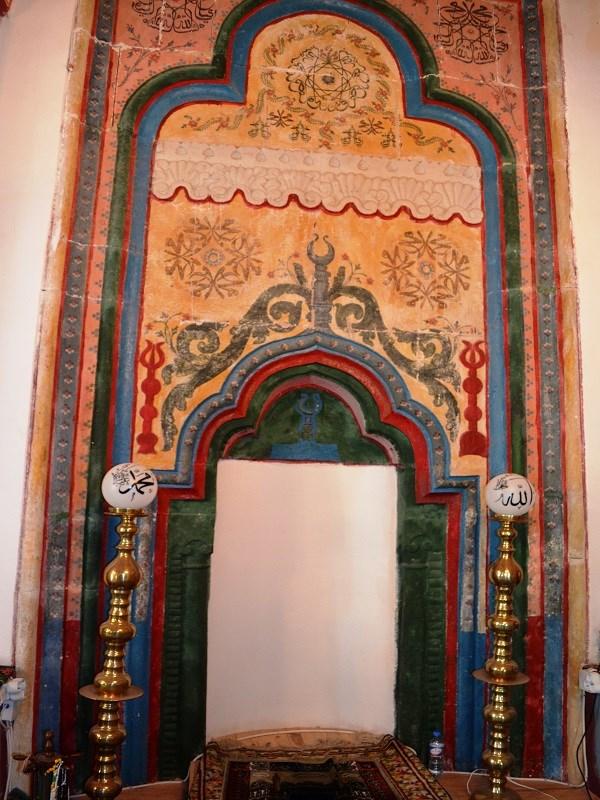
Bektaş Bey Mosque Mihrab - (Çamoluk Kaymakamlığı)
The decorations in Bektaş Bey Mosque are made using natural dyes. Especially, the kalemişi ornamentation on the mihrab reflects vibrant examples of provincial art from the period. The richness of the prayer hall’s decorations distinguishes the mosque among other Ottoman-era mosques in Giresun.
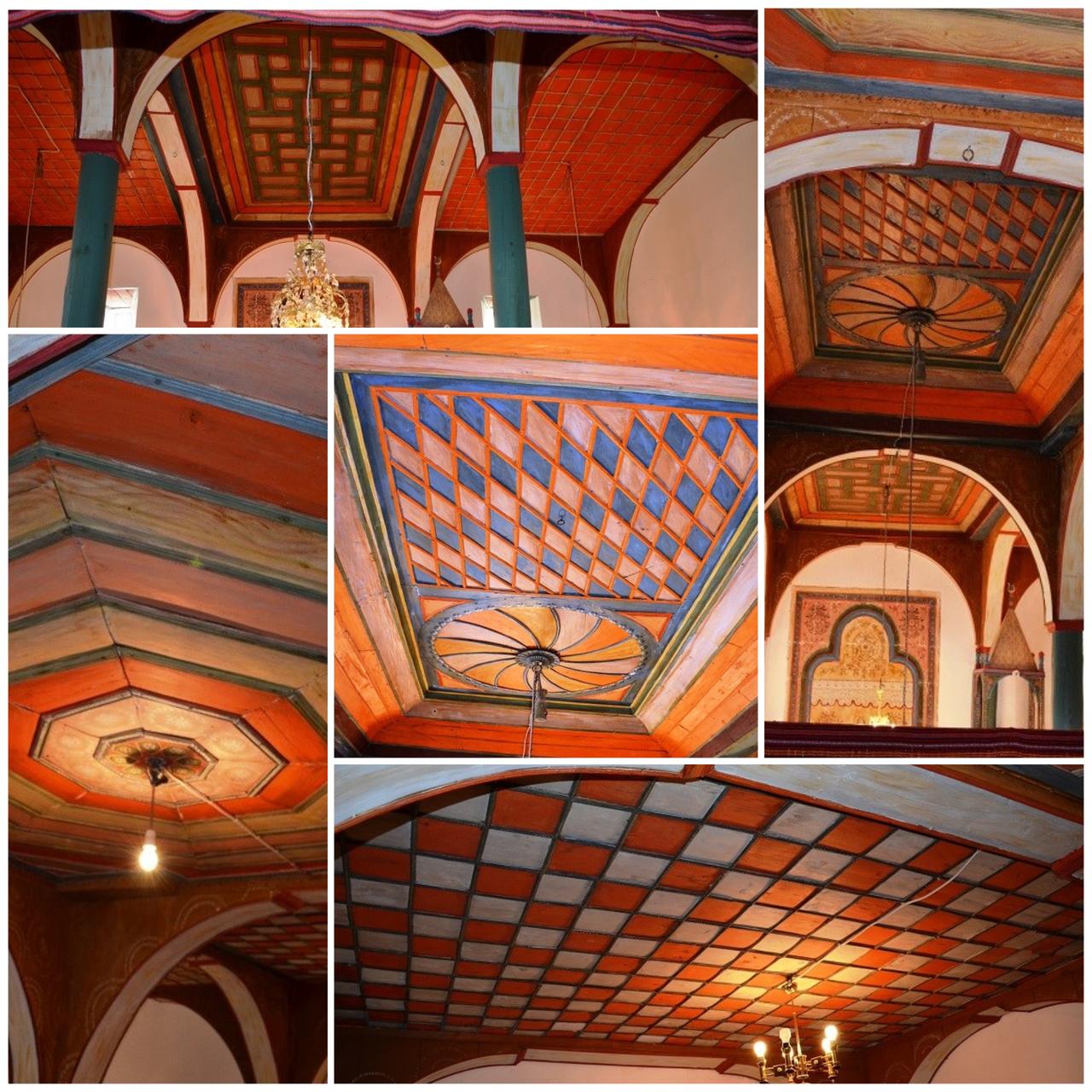
Bektaş Bey Mosque Decorations -
On July 29, 2015, the mosque was officially registered by the Ministry of Culture and Tourism as a “cultural heritage site requiring protection.” The structure largely retains its originality. However, some interventions, such as the addition of a reinforced concrete porch and covering the roof with metal sheets, have partially affected its authenticity. Nevertheless, especially in terms of interior decoration and woodwork, the mosque is regarded as a valuable example of Ottoman provincial architecture.
Bektaş Bey Mosque is located in Sarpkaya Village, which is part of the Çamoluk district in Giresun. It is possible to reach the village via an approximately 20-kilometer paved road heading west from the district center.


History
Architectural Features
Mihrab
Artistic Features
Conservation Status
Transportation
This article was created with the support of artificial intelligence.