
+1 More

Author(s) | Miguel Asín Palacios | ||||||||
|---|---|---|---|---|---|---|---|---|---|
Translator(s) | Güneş Ayas | ||||||||
Publishing House | Dergâh Publications | ||||||||
Page Count | 408 | ||||||||
Genre | Literary Review | ||||||||
Series | History | ||||||||
Publication Year | February 2025 | ||||||||
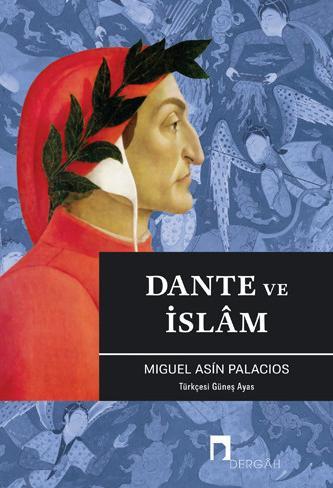
Dante and Islam is a significant work published in 1919 by the Spanish orientalist and academic Miguel Asín Palacios, which examines the relationship between Dante Alighieri's The Divine Comedy and Islamic sources. Palacios argues that Dante's descriptions of the afterlife were influenced by, among others, the works of Ibn Arabi and Abu al-Ala al-Ma'arri. This thesis caused a considerable stir in the Western world and led to long-standing debates.
The work provides a detailed examination of the similarities between the descriptions of hell, purgatory, and heaven in The Divine Comedy and those found in Islamic sources. Palacios contends that Dante used these elements by drawing from, in particular, Ibn Arabi's The Meccan Illuminations and Abu al-Ala al-Ma'arri’s The Epistle of Forgiveness. He also posits that Dante did not need to know Arabic to be aware of these sources, as existing translations into Latin and Spanish would have been sufficient for him to acquire this information.
In the work, Palacios uses a systematic comparative method to detail the Islamic influences in Dante's work. The work is written with an academic language and a meticulous analysis, serving as a profound reference for those studying the relationship between Dante's The Divine Comedy and Islamic sources.
Palacios, Miguel Asín. Dante ve İslâm. Çev. Güneş Ayas. İstanbul: Dergâh Yayınları, 2025. Accessed on June 26, 2025. https://www.dergah.com.tr/kitaplar/dante-ve-islam.
Author(s) | Miguel Asín Palacios | ||||||||
|---|---|---|---|---|---|---|---|---|---|
Translator(s) | Güneş Ayas | ||||||||
Publishing House | Dergâh Publications | ||||||||
Page Count | 408 | ||||||||
Genre | Literary Review | ||||||||
Series | History | ||||||||
Publication Year | February 2025 | ||||||||
No Discussion Added Yet
Start discussion for "Dante and Islam (Book) " article
Subject
Themes
Narration and Style
This article was created with the support of artificial intelligence.