

+1 More


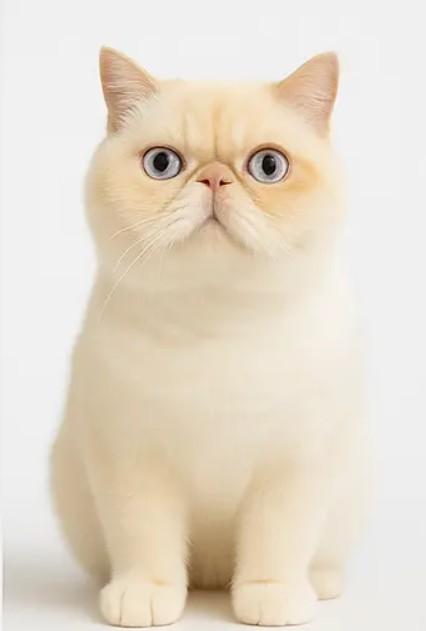
Exotic Shorthair Cat
Breed Name | Exotic Shorthair | ||||||||
|---|---|---|---|---|---|---|---|---|---|
Breed Type | Domestic cat (shorthaired Persian derivative) | ||||||||
Coat Type | Short dense plush-like fur | ||||||||
Nose Structure | Short Flat nose (brachycephalic structure) | ||||||||
Temperament | Calm affectionate social gentle people-oriented | ||||||||
Health Status | tear staining may occur Prone to respiratory issues | ||||||||
Activity Level | Moderate – usually enjoys playing but not overly active | ||||||||
The Exotic Shorthair is a domestic cat breed known for its plush coat, large eyes, and calm temperament. Often described as the short-haired version of the Persian cat, this breed is a popular choice for those seeking a visually striking yet low-maintenance feline companion. Their affectionate nature and playful attitude make them well-suited to family life.
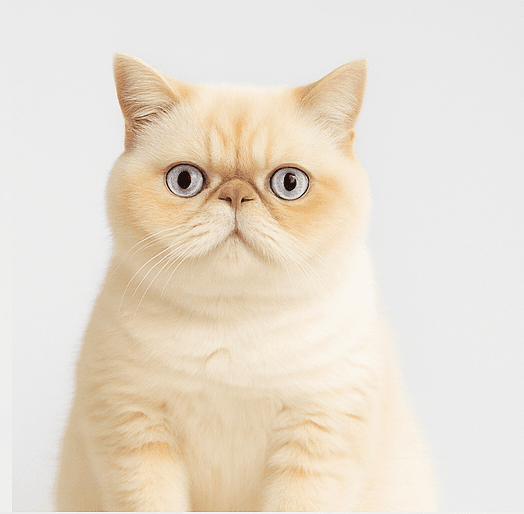
Exotic Shorthair Cat (Pamuk - Hüsnü Umut Okur)
The Exotic Shorthair was developed in the 1960s in the United States. It originated from crossbreeding American Shorthairs with Persian cats to create a new breed that retained the Persian's distinctive facial features but with shorter fur. In 1967, it was officially recognized by the Cat Fanciers’ Association (CFA). Over time, it gained popularity as an independent breed.
Exotic Shorthair Cat 101 (The Purring Journal – YouTube)
Exotic Shorthairs are known for their gentle, patient, and playful demeanor. They form strong bonds with their owners and dislike being left alone for long periods. Generally quiet and calm, they are more curious and active than Persian cats. They enjoy being held and engaging in playtime with their humans.
Exotic Shorthairs adapt well to apartment living. They have moderate energy levels—active indoors but not overly hyper. They get along well with children, seniors, and other pets. Their calm disposition also makes them suitable as therapy animals.
Cat Fanciers' Association. “Exotic Shorthair.” CFA Breeds. Accessed July 18, 2025. https://cfa.org/exotic/
Royal Canin. “Exotic Shorthair.” Cat Breeds. Accessed July 16, 2025. https://www.royalcanin.com/us/cats/breeds/breed-library/exotic-shorthair
The International Cat Association. “Exotic Shorthair Breed.” TICA Breeds. Accessed July 16, 2025. https://tica.org/breed/exotic-shorthair/
Vetstreet. “Exotic Shorthair.” Vetstreet Breed Info. Accessed July 16, 2025. https://www.vetstreet.com/cats/exotic-shorthair

Exotic Shorthair Cat
Breed Name | Exotic Shorthair | ||||||||
|---|---|---|---|---|---|---|---|---|---|
Breed Type | Domestic cat (shorthaired Persian derivative) | ||||||||
Coat Type | Short dense plush-like fur | ||||||||
Nose Structure | Short Flat nose (brachycephalic structure) | ||||||||
Temperament | Calm affectionate social gentle people-oriented | ||||||||
Health Status | tear staining may occur Prone to respiratory issues | ||||||||
Activity Level | Moderate – usually enjoys playing but not overly active | ||||||||
History and Origins
Physical Characteristics
Personality and Behavior
Health and Care
Adaptation to Home Life
Why Choose an Exotic Shorthair?
This article was created with the support of artificial intelligence.