

+1 More

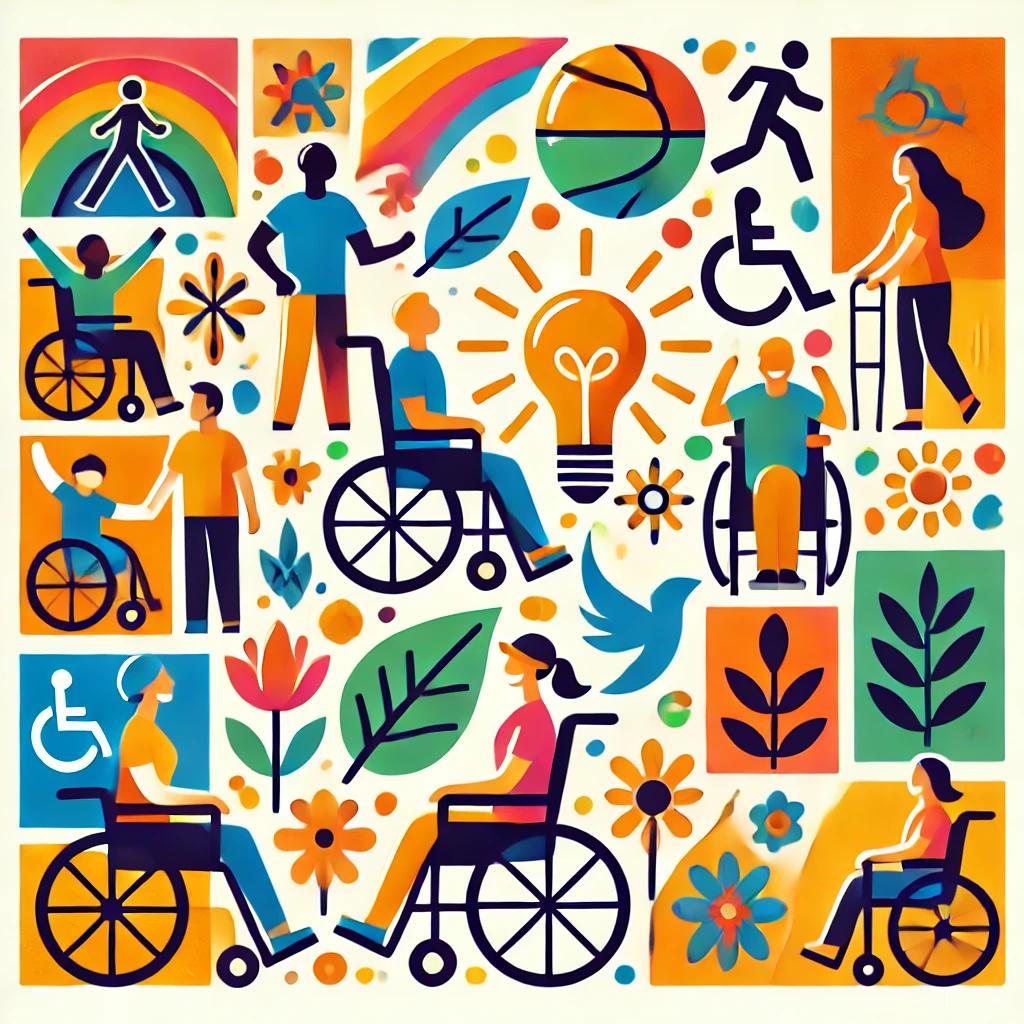
International Day of Persons with Disabilities (Generated by Artificial Intelligence.)
Date(s) | December 3 | ||||||||
|---|---|---|---|---|---|---|---|---|---|
First Observed | 1992 | ||||||||
Founded by | United Nations (UN) | ||||||||
Purpose(s) | To encourage active community engagement on disability issues To support equal opportunities in social life To ensure full participation of persons with disabilities in society To raise awareness and understanding of disability | ||||||||
International Day of Persons with Disabilities, observed annually on December 3, is an international day dedicated to ensuring the full and active participation of individuals with special educational needs in social life, raising public awareness, and promoting understanding of disability. It was declared by the United Nations (UN) on December 3, 1992. The day highlights the protection of the rights of persons with disabilities and the importance of equal access to opportunities in social life.
Disability refers to the limitations individuals face in daily life due to physical, mental, social, or economic conditions. Disabilities vary widely, and the number of people with disabilities is increasing due to population aging and the rise in chronic diseases. Therefore, facilitating access to health, education, and social services for people with disabilities and ensuring equal opportunities in society is crucial.
UN, promotes each year’s theme to encourage people with disabilities to live in a society with greater accessibility and equal opportunities. The theme for 2024 was “Amplifying the Leadership of Persons with Disabilities for an Inclusive and Sustainable Future.” It emphasizes the active participation of people with disabilities in society, realizing their potential, and taking an active role in social life.
The International Day of Persons with Disabilities was declared in 1992 by the UN General Assembly resolution 47/3.【1】
International Day of Persons with Disabilities features discussions, forums, and campaigns on disability issues. Communities organize meetings, consultations, and demonstrations to show that persons with disabilities are active members of society. These events also highlight activities in which people with disabilities can participate despite their challenges.
Preventive measures include newborn screenings for hearing, phenylketonuria, biotinidase deficiency, hypothyroidism, early diagnosis and treatment of developmental hip dislocation, and hemoglobinopathy screenings. Efforts are underway to expand early-age screenings. Measures to facilitate access to healthcare for persons with disabilities include:
Regulations have been established for disability health board reports, with separate guidelines for adults and children. Home healthcare services are conducted in collaboration with the Ministry of Health, Ministry of Family and Social Services, NGOs, and municipalities. These services target individuals with respiratory diseases, bedridden patients, terminal-stage palliative care patients, and those with severe muscular disorders. Home healthcare includes examination, testing, treatment, medical care, follow-up, and rehabilitation.
The goal is to enhance the quality of life for individuals with special educational needs by ensuring accessibility, equal opportunities, and social participation. The General Directorate of Special Education and Guidance Services conducts programs that take into account each individual’s interests, desires, abilities, and needs.
Public Service Announcement for International Day of Persons with Disabilities (Çalışma ve Sosyal Güvenlik Bakanlığı)
T.C. Milli Eğitim Bakanlığı Özel Eğitim ve Rehberlik Hizmetleri Genel Müdürlüğü. "3 Aralık Dünya Engelliler Günü: Erişilebilir Bir Gelecek İçin Adımlarımızı Güçlendiriyoruz." Accessed October 25, 2025. https://orgm.meb.gov.tr/www/3aralikdunyaengellilergunuerisilebilirbirgelecekicinadimlarimiziguclendiriyoruz/icerik/3002
T.C. Sağlık Bakanlığı. "3 Aralık Dünya Engelliler Günü." Accessed October 25, 2025. https://www.saglik.gov.tr/TR,482/3-aralik-dunya-engelliler-gunu.html
United Nations. "International Day of Disabled Persons A/RES/47/3." Accessed October 25, 2025. https://docs.un.org/en/A/RES/47/3
United Nations. "International Day of Persons with Disabilities, 3 December." Accessed October 25, 2025. https://www.un.org/en/observances/day-of-persons-with-disabilities/background
Çalışma ve Sosyal Güvenlik Bakanlığı. "3 Aralık Dünya Engelliler Günü Kamu Spotu Biz Birlikte Güçlüyüz," February 1, 2021. YouTube, 0:45. Accessed October 25, 2025. https://www.youtube.com/watch?v=7I37031J8a4
Çarşamba Hacı Yılmaz Rehberlik ve Araştırma Merkezi. "10-16 Mayıs Dünya Engelliler Haftası." Accessed October 25, 2025. https://carsambaram.meb.k12.tr/icerikler/10-16-mayis-dunya-engelliler-haftasi_7371861.html
[1]
United Nations. "International Day of Disabled Persons A/RES/47/3." Accessed October 25, 2025. https://docs.un.org/en/A/RES/47/3

International Day of Persons with Disabilities (Generated by Artificial Intelligence.)
Date(s) | December 3 | ||||||||
|---|---|---|---|---|---|---|---|---|---|
First Observed | 1992 | ||||||||
Founded by | United Nations (UN) | ||||||||
Purpose(s) | To encourage active community engagement on disability issues To support equal opportunities in social life To ensure full participation of persons with disabilities in society To raise awareness and understanding of disability | ||||||||
No Discussion Added Yet
Start discussion for "International Day of Persons with Disabilities" article
Scope and Importance
History and Celebrations
Prevention and Health Services
Education and Social Participation
This article was created with the support of artificial intelligence.