


Registration Number | 1407 | ||||||||
|---|---|---|---|---|---|---|---|---|---|
Application Number | C2022/000289 | ||||||||
Application Date | 2022-09-07 | ||||||||
Registration Date | 2023-07-10 | ||||||||
Applicant/Registrant(s) | Karamürsel Municipality | ||||||||
Product / Product Group(s) | Pide / Bakery and Confectionery Products - Pastries - Desserts | ||||||||
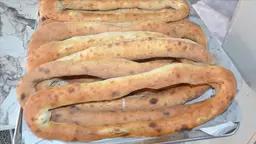
Karamürsel Simit Dolma is a traditional oven dish unique to the Karamürsel district of Kocaeli province, which has received geographical indication registration. Its main component is a special type of simit, and the dish is prepared with a minced meat or meatless filling placed inside. Named after the simit being filled in a dolma style, this unique flavor has become a symbolic element of iftar and suhoor tables in local culinary culture. Its preparation strictly adheres to local customs, and not only the content but also the cooking method and presentation bear regional authenticity.
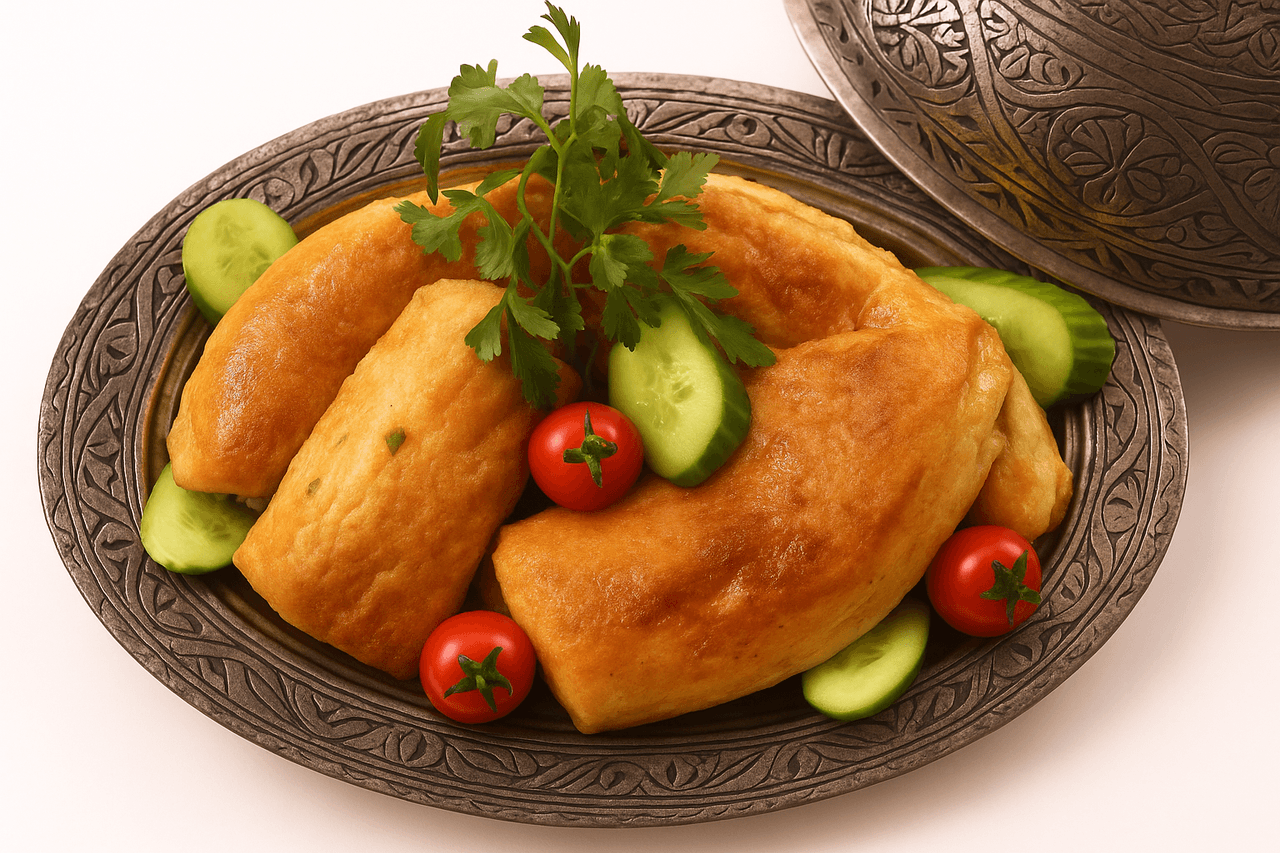
Karamürsel Simit Dolma (Generated by Artificial Intelligence)
Karamürsel Simit Dolması is a very old tradition known for being baked in neighborhood ovens during the month of Ramadan. Although the exact date of the dish's emergence is unknown, according to the accounts of older generations in the region, it is a culinary tradition that has continued for at least three generations. Simit dolması is not just a dish, but also has a functional role in neighborly relations and social solidarity. During Ramadan, especially for suhoor, this dish is collectively prepared and baked to be shared both within the family and with neighbors, having developed intertwined with the "neighborhood oven" culture. In this respect, the dish is not just a culinary delight but also a socio-cultural ritual.
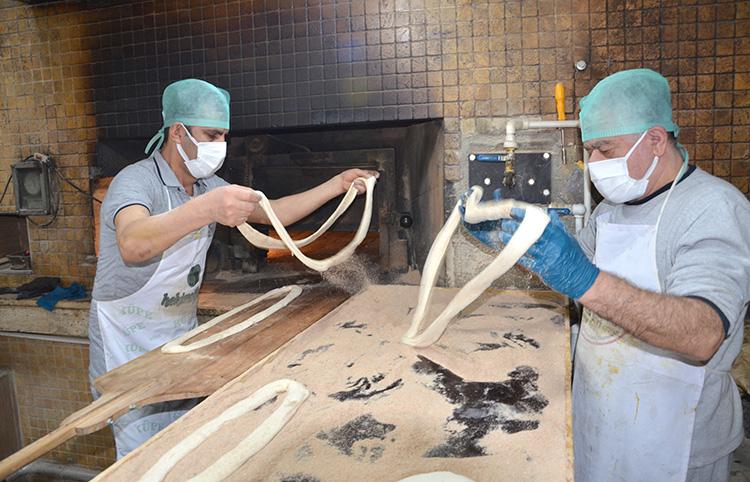
Preparation of Karamürsel Simit Dolma (AA)
The simit used in Karamürsel Simit Dolma is different from the classic sesame-covered street simit. This simit is a special bread, baked in a circular form, without sesame seeds, with a dense texture, a hard crust, but a relatively soft interior. It is usually bought a day in advance to become stale. Stale simits are preferred as they integrate better with the filling and soften without falling apart.
Although the filling to be put inside the simits varies by region, the basic components are as follows:
The filling is prepared by sautéing, just like a classic dolma filling, and then rested for a while to intensify the flavors.
Karamürsel Simit Dolma has a rich content of carbohydrates, protein, and fat. Thanks to the minced meat and spices it contains, it has a satisfying and long-lasting satiating property. For this reason, it is especially preferred for suhoor meals. Furthermore, on Ramadan days when energy requirements are high, it is considered both a nutritious and relatively easy-to-digest meal.
After baking, it is served hot. It is commonly served with yogurt, ayran, or a lemon-dressed green salad. It can be served as a main dish on its own, or it can be part of an iftar menu. The dolma, baked in large trays, is served sliced.
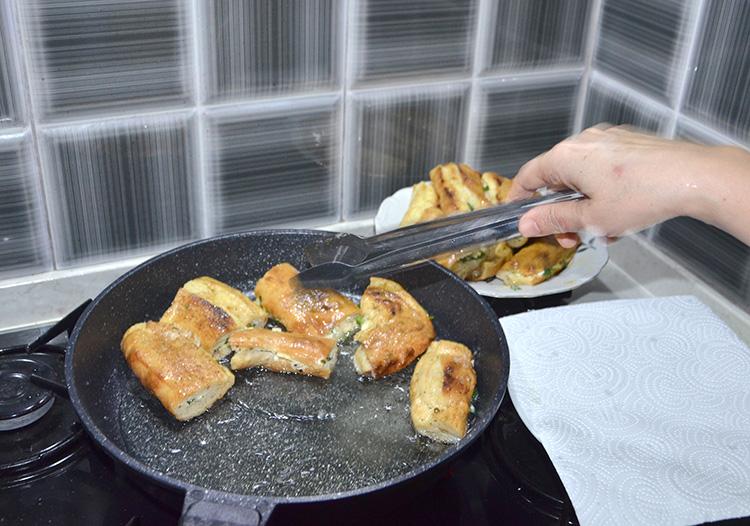
Karamürsel Simit Dolma (AA)
Karamürsel Simit Dolma has been registered as an appellation of origin by the Turkish Patent and Trademark Office. The registration was made on September 7, 2022, under number 1407. The applicant is Karamürsel Municipality. Within the scope of the registration, the production method, content structure, cooking method, and geographical boundaries are clearly defined. This registration aims to protect the dish's unique structure and ensure standards are observed in its commercial production.
T.R. Kocaeli Governorship. "Special for Ramadan: Our Simit Dolma." Access Date July 13, 2025. http://kocaeli.gov.tr/ramazana-ozel-simit-dolmamiz
T.R. Ministry of Culture and Tourism. "Simit Dolma." Turkey Culture Portal. Access Date July 13, 2025. https://www.kulturportali.gov.tr/turkiye/kocaeli/neyenir/simit-dolmasi
Anadolu Agency. "Karamürsel's Local Delicacy 'Simit Dolma' Is Preferred for Iftar and Suhoor." Access Date July 13, 2025. https://www.aa.com.tr/tr/ramazan-2025/karamurselin-yoresel-lezzeti-simit-dolmasi-iftar-ve-sahurda-tercih-ediliyor/3511711
Yalova Çizgi Newspaper. "Simit Dolma Tradition Continues in Karamürsel." Access Date July 13, 2025. https://www.yalovacizgi.com/detay/karamurselde-simit-dolmasi-gelenegi-suruyor-22612/
TRT News. "Ramadan's Indispensable Simit Dolma Pita." Access Date July 13, 2025. https://www.trthaber.com/ramazan-ozel/foto-galeri/ramazanin-vazgecilmezi-simit-dolmasi-pidesi/34816.html
Turkish Patent and Trademark Office. "Karamürsel Simit Dolma – 7445." Geographical Indications System. Access Date July 13, 2025. https://ci.turkpatent.gov.tr/cografi-isaretler/detay/7445

Registration Number | 1407 | ||||||||
|---|---|---|---|---|---|---|---|---|---|
Application Number | C2022/000289 | ||||||||
Application Date | 2022-09-07 | ||||||||
Registration Date | 2023-07-10 | ||||||||
Applicant/Registrant(s) | Karamürsel Municipality | ||||||||
Product / Product Group(s) | Pide / Bakery and Confectionery Products - Pastries - Desserts | ||||||||
No Discussion Added Yet
Start discussion for "Karamürsel Simit Dolma" article
Historical and Cultural Background
Preparation Process and Ingredients
Simit Characteristics
Filling
Dolma Preparation
Nutritional Value and Function
Presentation and Consumption Method
Registration and Geographical Indication Information
This article was created with the support of artificial intelligence.