

+2 More


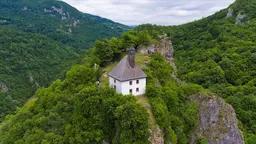
Kuşlat Mosque is a historic mosque located in eastern Bosnia and Herzegovina, situated on a steep hill between Zvornik and Konjević Polje. It is one of the rare architectural examples from the Ottoman period in the region. The mosque was built in the second half of the 15th century during the Ottoman Empire’s conquest of the Balkans. Its name, "Kuşlat," is derived from a local term meaning "bird’s nest," referring to its elevated position atop a rocky hill. The location of the mosque holds significance both as a strategic defensive point and as a religious symbol.
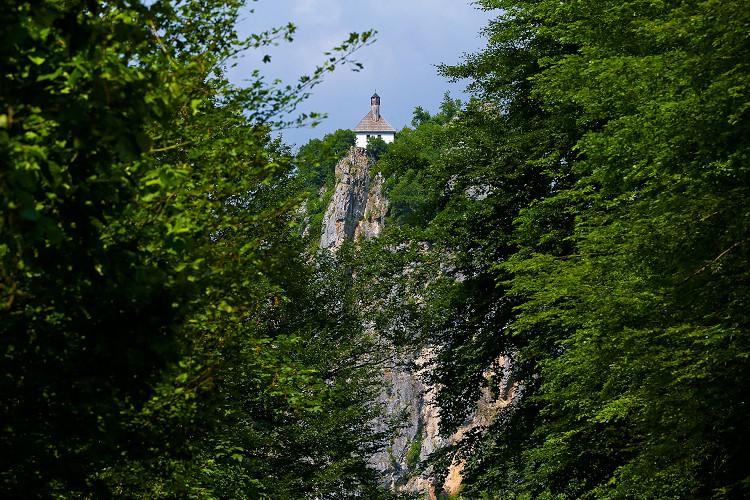
Kuşlat Mosque (AA)
The mosque is situated at the summit of a forested area and is not directly accessible by road. Visitors wishing to reach the site must take a footpath that requires approximately a 30-minute walk. This isolated location enhances the mosque’s aesthetic and spiritual connection with its natural surroundings and sets it apart from other architectural structures in the region. Strategically positioned, the mosque is harmoniously integrated with nature while also overseeing the surrounding area.
Although the exact construction date of Kuşlat Mosque is not definitively documented, it is generally believed to have been built in the 1460s, around the time the region came under Ottoman rule. It is thought that the mosque was established by Ottoman soldiers as part of efforts to invite the local population to Islam and to solidify the conquest. In this respect, the mosque served not only as a place of worship but also as a symbol of the Ottoman administrative and cultural presence in the region.
The structure suffered significant damage during the Bosnian War; its minaret was destroyed, and the interior was heavily damaged. In 2013, restoration work initiated by the Islamic Community of Bosnia and Herzegovina led to the mosque’s faithful reconstruction and reopening for worship. Traditional architectural elements were preserved during the restoration, with local stone and wood used as primary building materials.
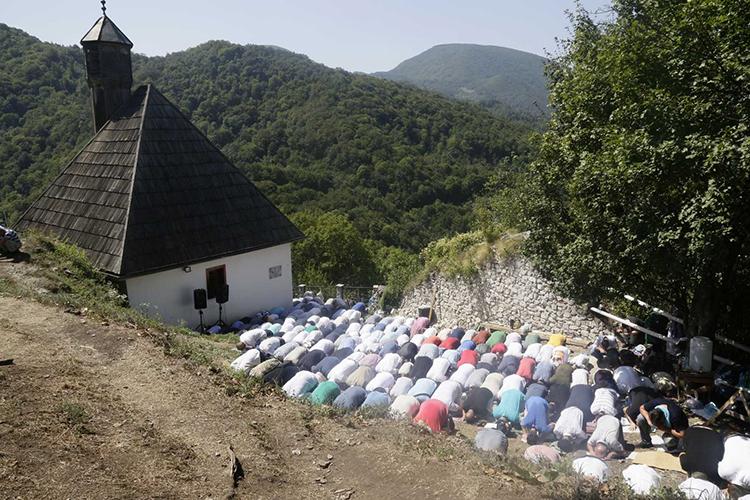
Kuşlat Mosque (AA)
Kuşlat Mosque is actively used by the local population, particularly during the month of Ramadan, when communal prayers are held on Fridays. Despite its inaccessibility, hundreds of people participate in these gatherings each year, undertaking the uphill walk as a spiritual ritual. During this period, the mosque serves not only a religious function but also acts as a site of cultural reunion and collective memory.
Although its use is limited for most of the year, traditional events held at the mosque help maintain intergenerational connections. In this sense, Kuşlat Mosque is regarded not merely as a place of worship but also as a significant cultural asset embedded in the community’s social memory.
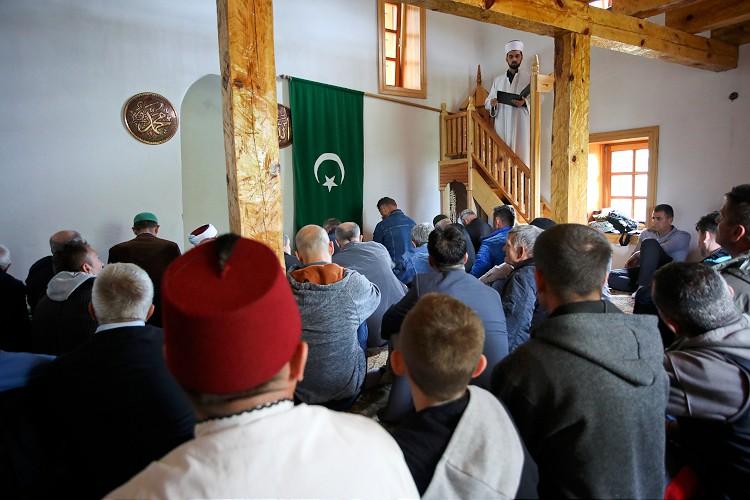
Kuşlat Mosque (AA)
The structure holds a significant place in Bosnia and Herzegovina’s architectural heritage inventory. Although it does not have an international protection status (such as UNESCO), it is officially registered as a historical monument at the national level and is preserved through various restoration projects. During the 2013 renovation, materials and techniques consistent with local construction traditions were used to maintain the authenticity of the mosque. Efforts to preserve the mosque extend beyond the physical structure, aiming also to sustain its spiritual and historical significance for future generations.

Geographical Location and Access
Historical Background
Socio-Cultural Function
Preservation and Monumental Value
This article was created with the support of artificial intelligence.