+2 More

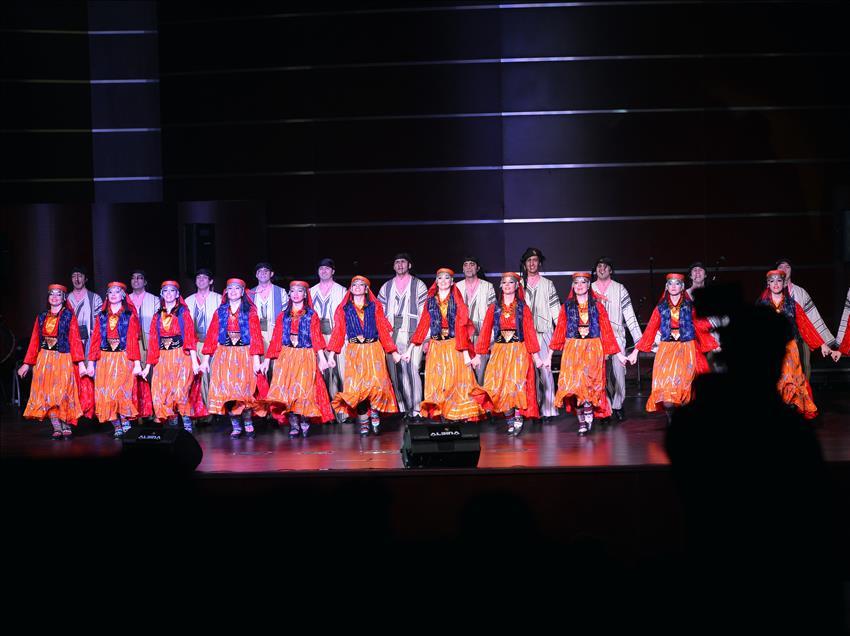
Nowruz Festival
Name(s) | Nowruz - a common holiday of the Turkic World | ||||||||
|---|---|---|---|---|---|---|---|---|---|
Date(s) | March 21 | ||||||||
Location | Turkish World and Various Countries | ||||||||
Cultural and Social Role of Celebrations | The Coming of Spring Unity and Solidarity | ||||||||
Formalization | Informal Summit of the Organization of Turkic States - Budapest - Hungary - 2025 | ||||||||
Nowruz is a great holiday that holds an important place in the historical and cultural heritage of the Turkic peoples, symbolizing the arrival of spring and the awakening of nature. This holiday has been celebrated by different cultures starting from Central Asia and spreading to Anatolia, the Balkans, and wider geography, and has been shaped according to the traditions of each society.
Nowruz is a Persian word meaning “new day”. It begins to be celebrated on March 21, when day and night are equalized and the sun enters the sign of Aries. This date symbolizes both the awakening of nature and a new beginning. The celebration of Nowruz is especially meaningful for communities engaged in agriculture and animal husbandry because on this date, nature begins to revive, snow melts, trees bloom, migratory birds return, and this heralds the beginning of a fertile period for agriculture.
Turks celebrated Nowruz as “New Day” or “Spring Festival” before Islam. This holiday signifies the awakening of nature and the resumption of life. According to another belief based on the Ergenekon Epic, Nowruz symbolizes the exit of the Turks from Ergenekon, and therefore, the holiday means a kind of liberation and resurrection.
The origins of Nowruz date back to the time when the Turks started living in Central Asia. This holiday has been celebrated by many Turkish states throughout history and has evolved over time under the influence of different cultures. The ancient Turks considered March 21, when day and night were equalized, as the beginning of the new year and organized great festivities to celebrate this day.
With the adoption of Islam, the meaning of Nowruz changed and blended with Islamic culture. During this period, Nowruz was given a religious identity and associated with the lives of Islamic prophets. In particular, the fact that Nowruz is recognized as the birthday of the Prophet Ali, the creation of the Prophet Adam, and the day when the Prophet Moses parted the Red Sea, strengthens the religious dimension of the holiday.
In recent years, Nowruz has started to be celebrated with a stronger unity under the Organization of Turkic States (OST). On 21 May 2025, at the Informal Summit of Heads of State and Government of the Organization of Turkic States held in Budapest, it was agreed to celebrate Nowruz as a common holiday of the Turkic world. At the meeting held with the participation of Hungarian Prime Minister Viktor Orbán, who hosted the summit, President Recep Tayyip Erdoğan proposed to celebrate Nowruz as a common day of commemoration and celebration of the Turkic world. In line with this decision, it is aimed that Nowruz will be officially jointly celebrated within the Organization of Turkic States and become a symbol of cultural unity and solidarity in the Turkic world.


Nowruz celebration in Astana, the capital of Kazakhstan (AA)

Nowruz Celebration in Turkmenistan (AA)
The way Nowruz is celebrated varies geographically and culturally, but often includes common rituals.
Fire is one of the most prominent symbols of Nowruz. Most Turkic communities light large fires on Nowruz and believe that by jumping over these fires, they will be cleansed of evil spirits and gain health and fertility. Fire also symbolizes the sun and is considered the reflection of the sun on earth. The rituals around the fire symbolize the awakening of nature and the renewal and purification of life.
In Turkish culture, water is associated with cleansing, purification, and fertility. On the morning of Nowruz, people fill the water containers in their homes with fresh water, throw their old belongings into the water, and clean themselves by sprinkling water on each other. These practices symbolize the rebirth of nature and reflect the belief in the purifying power of water.
Nowruz is also a holiday of charity, compassion, and love. On the eve of the holiday, the poor and needy are helped, people give gifts to each other, and eat communal meals. This tradition is an important element that strengthens social ties.
During Nowruz celebrations, the graves of deceased relatives are visited. The graves are cleaned, prayers are recited, and sometimes sweets are left on the graves. This tradition symbolizes connecting with the past and keeping the cult of ancestors alive.
Country trips, one of the old traditions of the Turks, also play an important role in Nowruz celebrations. People go out collectively to the countryside, where they play games, sing songs, and organize entertainment. Such events allow people to consolidate social ties by celebrating together.
Nowruz plays an important role in strengthening social unity, brotherhood, and cultural identity in the Turkic world. This holiday has functions such as bringing people together, remembering the past, sharing wishes for the futur,e and strengthening social belonging. Nowruz has great importance for keeping cultural heritage alive and transferring it to future generations.
Nowruz can be considered a common cultural heritage not only for Turkic peoples but for all humanity. This holiday symbolizes both the awakening of nature and the strengthening of social bonds. The enthusiastic celebration of Nowruz every year contributes to intercultural understanding, peace, and unity.
Anadolu Ajansı. "Nevruz Kutlanıyor." Anadolu Ajansı. Access May 23, 2025. https://www.aa.com.tr/tr/pg/foto-galeri/nevruz-kutlaniyor/0/77245.
Artun, Erman. "Türk Halk Kültüründe Nevruz." Çukurova Üniversitesi. Access May 23, 2025. https://turkoloji.cu.edu.tr/HALKBILIM/erman_artun_turk_halk_kulturunde_nevruz.pdf.
Kültür Portali. "Nevruz." Kültür Portali. Access May 23, 2025. https://www.kulturportali.gov.tr/portal/nevruz.
Kültür ve Turizm Bakanlığı. "Nevruz Nedir?" Kültür ve Turizm Bakanlığı. Access May 23, 2025. https://yakegm.ktb.gov.tr/TR-12646/nevruz-nedir.html.
Mustafayev, Beşir. “Adriyatik’ten Çin Seddi’ne Uzanan Nevruz Geleneği.” Avrasya Uluslararası Araştırmalar Dergisi 2, no. 3 (Temmuz 2013): 60–73. Access May 23, 2025. https://dergipark.org.tr/tr/download/article-file/155114.
Pixabay. "Çiğdemler Bahar Çiçek Çiçek Açmak." Pixabay. Access May 23, 2025. https://pixabay.com/tr/photos/%C3%A7i%C4%9Fdemler-bahar-%C3%A7i%C3%A7ek-%C3%A7i%C3%A7ek-a%C3%A7mak-3226433/.
TRT Haber. "Türk Dünyası Macaristan’da Buluştu: Zirvede Alınan Kararlar İlk Kez TRT Haber’de." TRT Haber. Access May 23, 2025. https://www.trthaber.com/haber/turk-dunyasi/turk-dunyasi-macaristanda-bulustu-zirvede-alinan-kararlar-ilk-kez-trt-haberde-907875.html.
Turkish Airlines. "Nevruz Bayramı." Turkish Airlines. Access May 23, 2025. https://www.turkishairlines.com/tr-es/nevruz-bayrami/.


Nowruz Festival
Name(s) | Nowruz - a common holiday of the Turkic World | ||||||||
|---|---|---|---|---|---|---|---|---|---|
Date(s) | March 21 | ||||||||
Location | Turkish World and Various Countries | ||||||||
Cultural and Social Role of Celebrations | The Coming of Spring Unity and Solidarity | ||||||||
Formalization | Informal Summit of the Organization of Turkic States - Budapest - Hungary - 2025 | ||||||||
Meaning and Origin of Nowruz
Historical and Cultural Development
Organization of Turkic States (OST) and Nowruz Day
Ways of Celebrating Nowruz
Fire Lighting and Jumping Over it
Water Related Rituals
Solidarity and Social Solidarity
Cemetery Visits
Country Trips and Festivities
Social and Cultural Function of Nowruz
The Universal Nature of Nowruz
This article was created with the support of artificial intelligence.