


Henry Alfred Kissinger, an American diplomat and political scientist, served as the 56th U.S. Secretary of State from 1973 to 1977 and as the 7th National Security Advisor from 1969 to 1975, during the presidencies of Richard Nixon and Gerald Ford. Kissinger’s book, On China, is a comprehensive work that delves into China’s history, culture, political structure, and its global influence. Drawing from his extensive diplomatic experience, the book provides an in-depth analysis of China’s role on the world stage. From its traditional diplomatic philosophy to its modern role in international relations, the book offers a wide-ranging perspective, examining the historical and strategic interactions between China and the Western world.
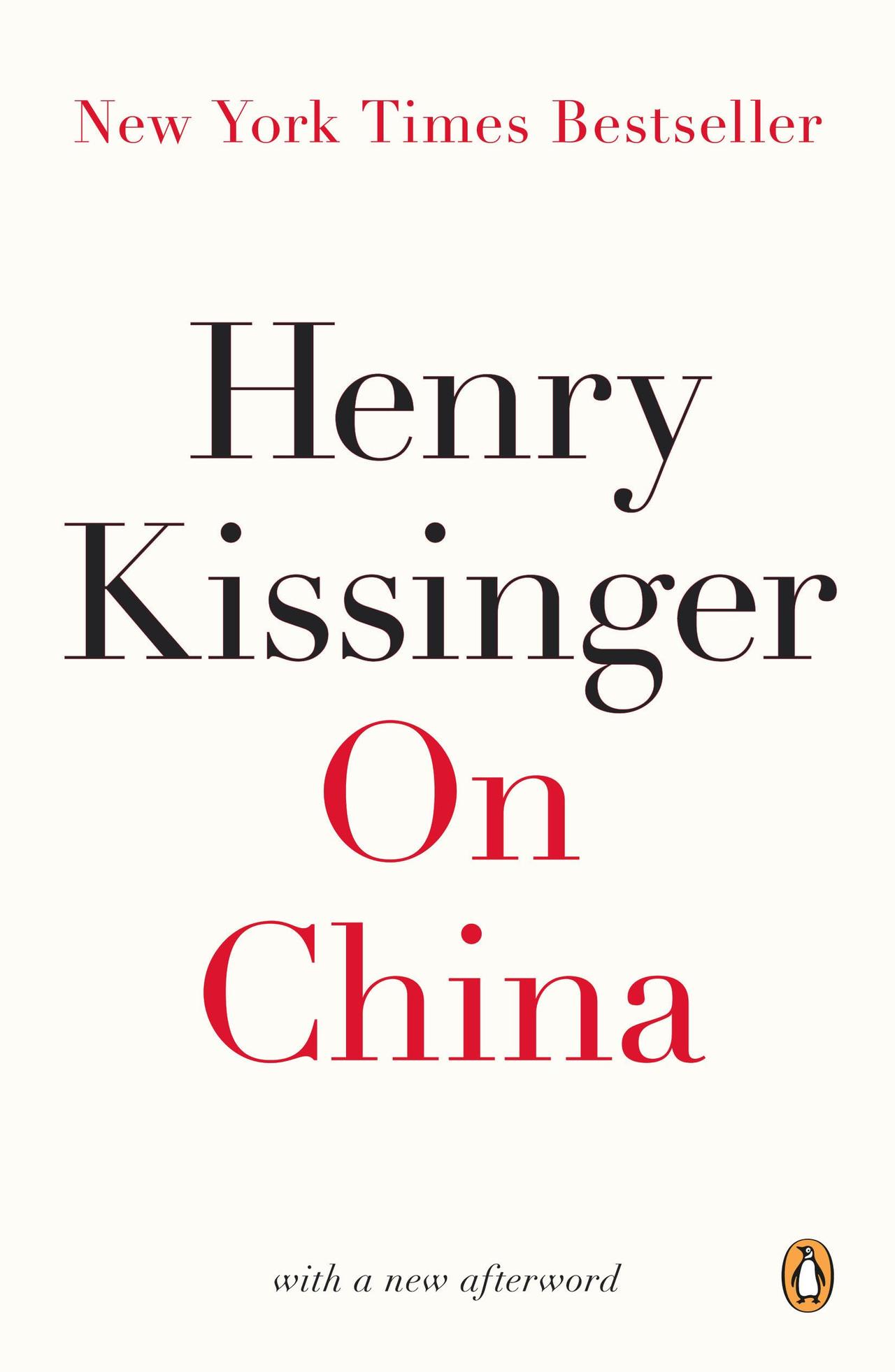
On China
Kissinger begins by analyzing China’s historical and cultural context. With its millennia-long history, China’s evolution as a civilization serves as a guide to understanding its unique characteristics. Confucianism, Taoism, and China’s traditional worldview deeply influence its political and diplomatic decision-making processes. Kissinger explains how these traditions shape China’s distinctive approach to diplomacy, evaluating its strategic thinking through classical texts such as Sun Tzu’s The Art of War.
The book dedicates significant attention to the Communist Revolution led by Mao Zedong, one of the most pivotal periods in modern Chinese history. Under Mao’s leadership, China underwent profound changes both domestically and internationally. Kissinger examines Mao’s revolutionary ideology and how it shaped China’s foreign policy. The book also highlights the strained relations between China and the Western world during this era, as well as its conflicts with the Soviet Union.
One of the central themes of Kissinger’s book is the diplomatic opening between the United States and China in 1971. This process, which took place during Richard Nixon’s presidency, marks a cornerstone of Kissinger’s diplomatic career. The author provides detailed accounts of the negotiations, including behind-the-scenes discussions with Chinese leaders Zhou Enlai and Mao Zedong. This period set the stage for reshaping China’s position in modern international relations.
The book also focuses on the economic reforms and modernization efforts initiated under Deng Xiaoping’s leadership after 1978. Kissinger analyzes how China emerged as a global economic power while striving to preserve its traditional values. The country’s economic development model, its trade relations with the West, and its role in the global market are explored in detail.
Kissinger offers insights into China’s future role in the international system. The rise of China’s economic and military power has shifted the balance of power in the Pacific region. The author discusses China’s peaceful rise strategy and its potential implications for relations with the United States and other global powers. Kissinger emphasizes that while China’s diplomacy prioritizes peaceful solutions, it maintains a firm stance in protecting its interests.
On China is not just a book on diplomacy but also a profound exploration of a civilization’s impact on the world. By analyzing a broad spectrum of topics—from China’s historical roots to its role in the modern international system—Kissinger provides readers with a unique perspective. The book serves as a valuable resource for understanding China’s distinctive civilization and its place in global affairs. By examining historical events and modern political dynamics, Kissinger’s On China is regarded not only as a study of diplomacy and international relations but also as a deep dive into Chinese civilization. Kissinger reflects on China’s enduring influence from the past to the future within a strategic and historical context.
Henry Kissinger, On China, Penguine Publish, New York, 2011.

CONTENT OF THE BOOK
China’s Historical and Cultural Background
The Mao Era and the Rise of Communist China
The Nixon-Kissinger Era and the Normalization of U.S.-China Relations
China’s Modernization and Economic Transformation
China’s Future Role and Impact on Global Order
This article was created with the support of artificial intelligence.