


Railway transportation is an environmentally friendly and high-capacity mode of transport that enables the cost-effective movement of heavy and bulky goods. This mode of transportation, conducted on rail systems, is utilized for both freight and passenger transportation. Railways play a crucial role in delivering coal, iron, agricultural, and forestry products to receiving centers over long distances.
Modern railway networks provide integrated logistics solutions to meet the needs of the industry, trade, and transportation sectors. Additionally, they reduce road congestion, lower logistics costs, and offer advantages in public transportation. Due to its ability to transport large volumes of cargo in a single trip, its eco-friendly nature, and its cost-efficiency in the long term, railway transportation has become a preferred alternative mode of transportation.
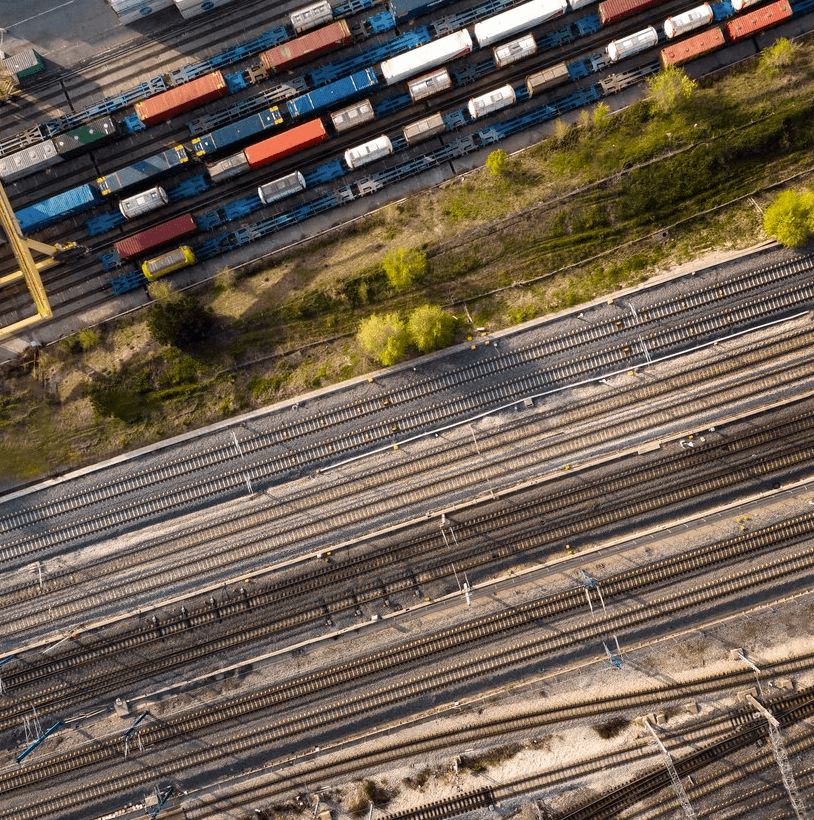
Railway and Wagon Image (Source: freepik)
Railway transportation is a fundamental component that enhances the efficiency of the logistics sector. The rapid increase in the world’s population, depletion of natural resources, and economic crises necessitate making transportation systems more efficient and sustainable. Railway transportation accelerates logistics activities by offering time and cost advantages. Its integration with road transport creates a more balanced and efficient transportation network.
Deveci, D. Ali, ve Didem Çavuşoğlu. "İntermodal Demiryolu Taşımacılığı: Türkiye İçin Fırsatlar ve Tehditler." Dokuz Eylül Üniversitesi Denizcilik Fakültesi Dergisi 5, no. 1 (2013).
Ekici, Üsame, ve Talha Ferşadoğlu. "Demiryolu Taşımacılığının Diğer Taşımacılık Modlarıyla Karşılaştırılması ve Sağladığı Avantajlar." Ulaştırma ve Altyapı Bakanlığı, Strateji Geliştirme Başkanlığı, Ankara, Türkiye.
Paksoy, Sadettin. "Demiryolu Taşımacılığının Lojistik ve Çevre Açısından Önemi." International Social Mentality and Researcher Thinkers Journal 5, no. 19 (2019): 915–925. Kilis 7 Aralık Üniversitesi, İktisadi ve İdari Bilimler Fakültesi, İktisat Bölümü. Erişim tarihi: 3 Ocak 2025. https://www.smartofjournal.com.

No Discussion Added Yet
Start discussion for "Railway Transportation" article
The Importance of Railway Transportation in Logistics
Advantages
Disadvantages
This article was created with the support of artificial intelligence.