Type of Geographical Indication | Protected Designation of Origin | ||||||||
|---|---|---|---|---|---|---|---|---|---|
Registration Number | 649 | ||||||||
Registration Date | January 13, 2021 | ||||||||
Product / Product Group(s) | Honey | ||||||||
Province(s) | Sinop | ||||||||
Applicant/Registrant(s) | Sinop University | ||||||||
Sinop chestnut honey is a geographically indicated honey type produced in specific villages of the Ayancık, Erfelek, and Türkeli districts in Sinop, a province located in Türkiye’s Black Sea region. It was officially registered as a product with a protected designation of origin on January 13, 2021, by Sinop University under the Industrial Property Law No. 6769.
Sinop chestnut honey is exclusively produced in certain villages of Sinop’s Ayancık, Erfelek, and Türkeli districts, where natural chestnut forests are prevalent. The production areas encompass pure chestnut forests, mixed chestnut forests, and degraded chestnut forests. The chestnut trees in these regions are natural and non-grafted, forming the basis of the product’s distinctive characteristics.
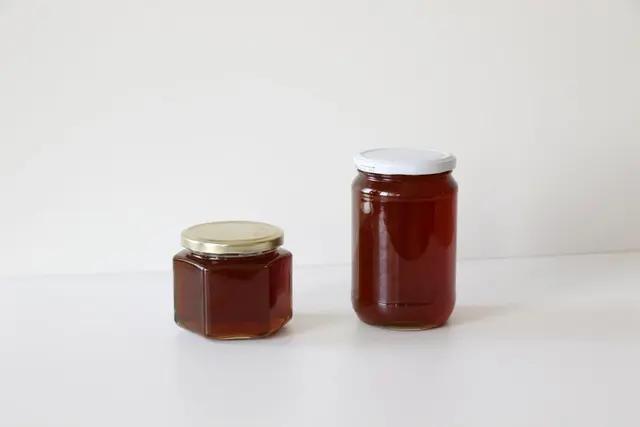
Sinop chestnut honey is characterized by its viscous consistency, with colors ranging from light reddish-brown to dark reddish-brown. Its crystallization period can exceed two years. The flavor profile is sharp, bitter, and has a lingering aroma, with woody and herbaceous notes. The texture is creamy, soft, and heavily viscous.
Pollen analysis reveals that Castanea sativa (chestnut) pollen constitutes 87–94% of the total. The total pollen count is at least 68,000, placing Sinop chestnut honey in the group of pollen-rich honeys. Other contributing plant pollens include Fabaceae (2–7%), Apiaceae (1–4%), Brassicaceae (1–3%), Scrophulariaceae (2%), and Ericaceae (1–2%).
Key chemical analysis results include:
These values indicate the product’s high biological activity and absence of chemical residues.
Sinop chestnut honey is produced by non-migratory beekeepers within the same geographical area throughout the year. The production process begins in spring with the feeding of bees using stimulative syrup. In mid-May, a queen excluder is placed to ensure the honey’s purity. Honey production starts in early June with the blooming of chestnut flowers and lasts approximately three weeks. By mid-July, bees evaporate excess moisture from the honey and seal the combs. The harvest period occurs between July 15 and August 15.
After harvesting, the combs are extracted, filtered, and left to settle before being packaged in glass jars. The combs are returned to the bees for cleaning and stored for the next season. In autumn, hives are reduced in size to prevent heat loss, ensuring the bees survive the winter.
The production and marketing of Sinop chestnut honey are regulated through inspections coordinated by Sinop University. The inspection process occurs at least four times a year, covering the start of production, harvest, packaging, and market release. Producers must hold an operating certificate from the Ministry of Agriculture and Forestry. Hives are numbered, and the product’s physical and chemical compliance is verified. The correct use of the geographical indication logo and protected designation of origin emblem is also monitored.
Türk Patent ve Marka Kurumu. "Sinop Kestane Balı Coğrafi İşaret Sicil Belgesi." Coğrafi İşaretler Portalı. Accessed October 25, 2025. https://ci.turkpatent.gov.tr/Files/GeographicalSigns/771c686b-cacb-4a5a-b6e7-3196739856e9.pdf.
Türk Patent ve Marka Kurumu. "Sinop Kestane Balı." Coğrafi İşaretler Portalı. Accessed October 25, 2025. https://ci.turkpatent.gov.tr/cografi-isaretler/detay/1803.

Type of Geographical Indication | Protected Designation of Origin | ||||||||
|---|---|---|---|---|---|---|---|---|---|
Registration Number | 649 | ||||||||
Registration Date | January 13, 2021 | ||||||||
Product / Product Group(s) | Honey | ||||||||
Province(s) | Sinop | ||||||||
Applicant/Registrant(s) | Sinop University | ||||||||
No Discussion Added Yet
Start discussion for "Sinop Chestnut Honey" article
Geographical Distribution
Organoleptic and Chemical Properties
Production Process
Inspection and Certification
This article was created with the support of artificial intelligence.