

+2 More


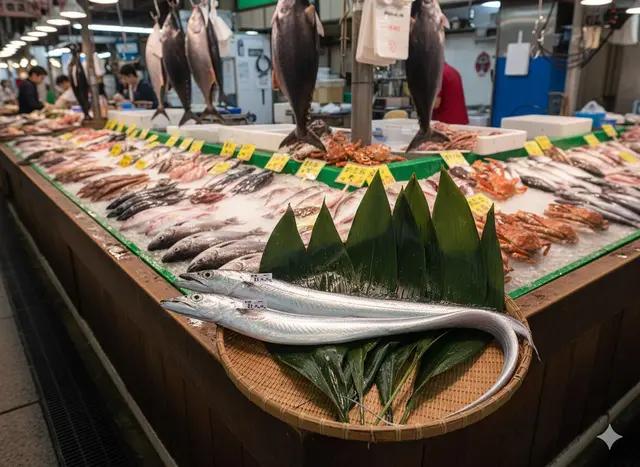
Tanoura Gindachi (Generated by Artificial Intelligence.)
The Tanoura Gindachi is a species of billfish protected under Japan's Geographical Indications (GI) system. It is caught exclusively by angling.
Despite its slender form, the Tanoura Gindachi is meaty and oily. It also possesses the umami flavor characteristic of whitefish. Its appearance is characterized by its shiny, silvery skin. The fish's fleshiness is derived from its feeding environment. The Yatsushiro Sea, its breeding ground, provides a rich environment for small fish like sardines thanks to the nutrients flowing from the Kuma River, Kumamoto Prefecture's largest river. The year-round abundance of forage in this region ensures the high quality of the bonito fish's meat.
The high quality of Tanoura Gindachi is appreciated in the market. It is sold at prices approximately 50% higher than bonito fish from other regions, especially in the local wholesale market.
About Tanoura Gindachi (地理的表示産品情報発信サイト)
The techniques used to catch Tanoura Gindachi are trolling and hand-lining. This name is given only to fish caught by line fishing and landed at Tanoura Fishing Harbour. Maintaining the freshness of the fish after catching is crucial. The bonito are removed from the hook by simply grasping the fish with your hand and twisting your wrist, leaving the fish intact. They are then immersed in chilled seawater and stored in a cold container to maintain their freshness. Fish brought to the harbour are quickly packed into shipping boxes. Local fishermen have continued their efforts to ensure the catch and preservation of freshness using these fishing techniques. In 2001, bonito caught and transported using this method were given the name "Tanoura Gindachi."
The Yatsushiro Sea, the production area of the Tanoura Gindachi, is an enclosed inland sea surrounded by the Kyushu mainland and the Amakusa Islands. It has deeply indented coastlines (rias) and is considered one of the most enclosed inland seas in Japan. Nutrients from the Kuma River, the major river in Kumamoto Prefecture, keep the sea fertile and rich in small fish such as sardines.
The Tanoura region lies at the centre of the billfish's seasonal south-north migration route. This geographical location has led to the development of specialized angling techniques to catch the billfish in the region.

Tanoura Gindachi (Generated by Artificial Intelligence.)
Features and Quality
Hunting and Processing Techniques
Production Area Geography
This article was created with the support of artificial intelligence.