


Istanbul, with its unique geography and deep-rooted history, has been home to numerous civilizations over the centuries. The city has been famously referred to as "built upon seven hills" since ancient times, and these hills are among the most defining features of Istanbul's historic peninsula. During the Byzantine and Ottoman periods, the structures built on these hills held great religious and political significance. Each hill carries traces of a different era, offering visitors a unique journey to explore Istanbul's historical and cultural heritage.
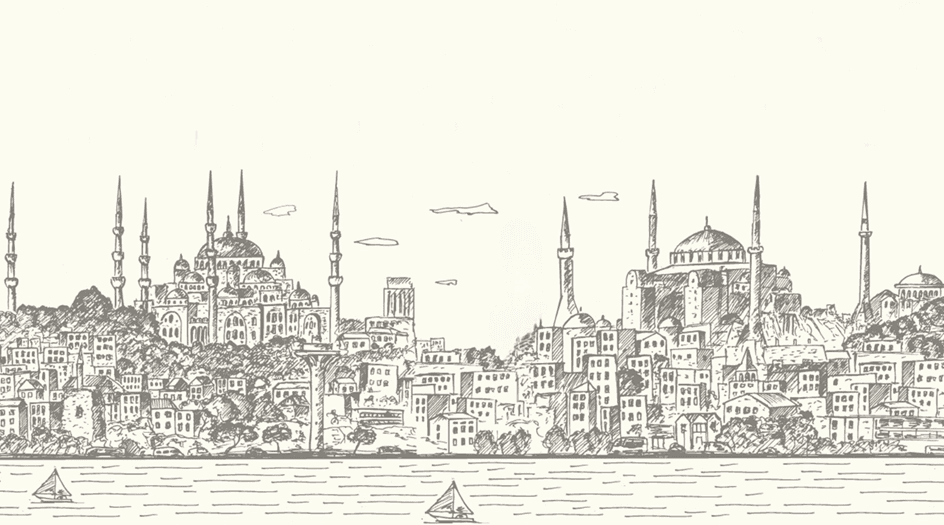
Image of Istanbul showing the Blue Mosque and Hagia Sophia (Source: Yedi Kıta Magazine)
The first hill begins at Sarayburnu and encompasses the area where Hagia Sophia and Topkapi Palace are located. In the Byzantine era, this hill was known as the "Acropolis" and served as the city's administrative and religious center. During the Ottoman Empire, it became the heart of the empire. Hagia Sophia, initially a church during the Byzantine period and later a mosque under the Ottomans, regained its mosque status in 2020. Topkapi Palace was the residence and administrative center of Ottoman sultans for centuries. Other notable structures on this hill include the Blue Mosque, the Basilica Cistern, and the Istanbul Archaeological Museums.
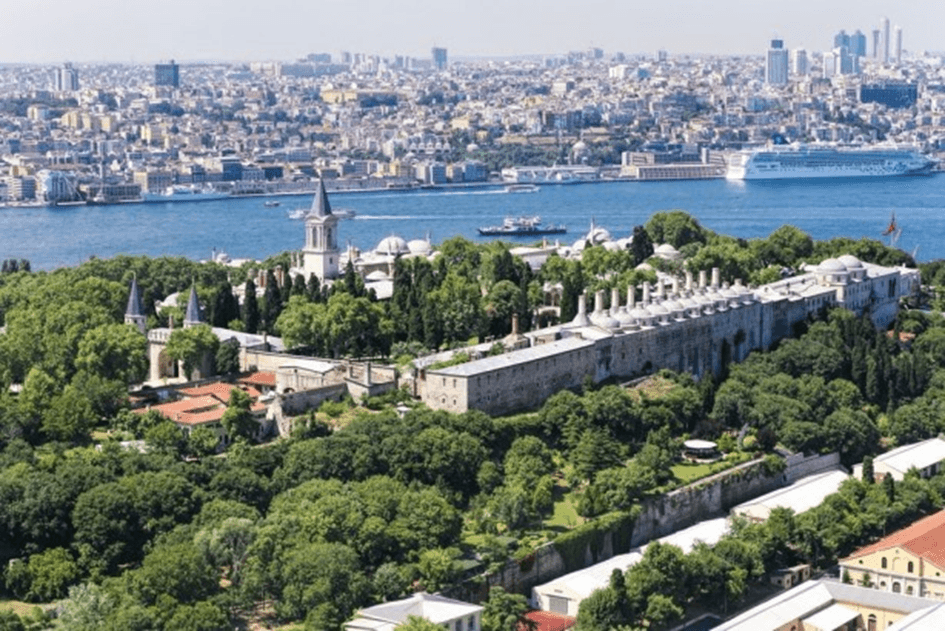
Sarayburnu Hills and its surroundings (Source: Yeni Akit Newspaper)
The second hill extends along Divanyolu and is home to significant landmarks such as the Column of Constantine, Nuruosmaniye Mosque, and the Grand Bazaar. Known as the Forum of Constantine in the Byzantine era, this hill was planned by Emperor Constantine as the city's central point. During the Ottoman period, the Grand Bazaar became the hub of commerce and craftsmanship, reflecting the hill's vibrancy. Nuruosmaniye Mosque, a fine example of Ottoman Baroque architecture, stands as a testament to the era's artistic innovation.
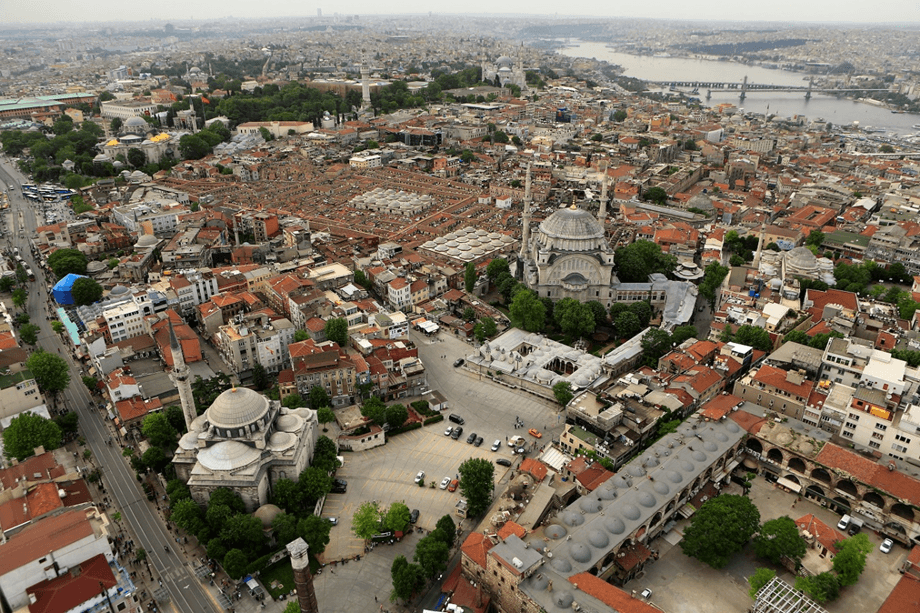
Çemberlitaş Hills and its surroundings (Source: Fatih Mucipality Website)
The third hill, overlooking the Golden Horn, is renowned for Süleymaniye Mosque, considered the masterpiece of the great Ottoman architect Mimar Sinan. Known as his "journeyman work," the mosque represents the pinnacle of Ottoman architecture. This hill also houses Beyazıt Mosque and Istanbul University. The surrounding complex of Süleymaniye Mosque includes a medrese (Islamic school), baths, and a library, reflecting the social and cultural life of its time. During the Byzantine period, the Great Nymphaeum, a water structure, was located here.
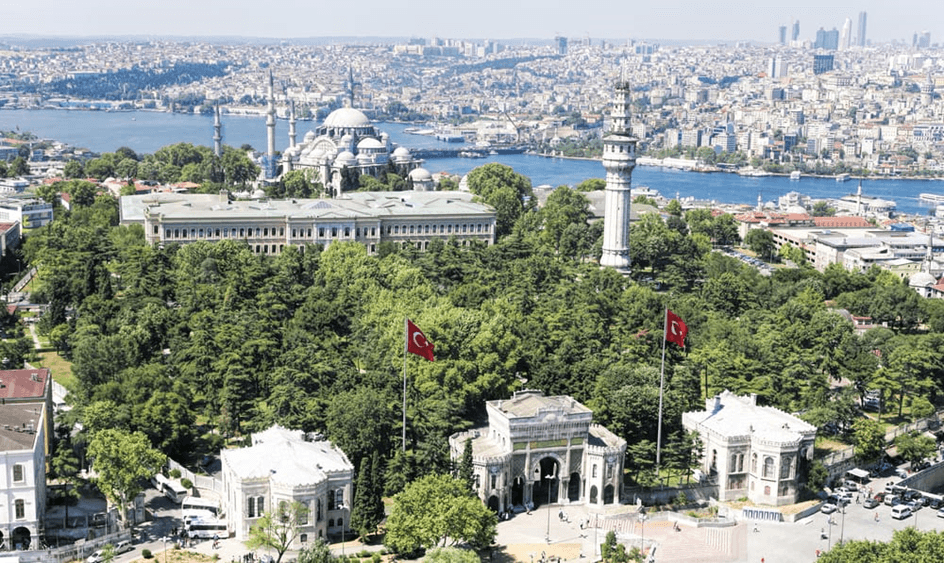
Beyazıt Hill and its surroundings (Source: Blog O Bilet)
The fourth hill was home to the Church of the Holy Apostles during the Byzantine era and, later, the Fatih Mosque and Complex, built by Sultan Mehmed the Conqueror. Fatih Mosque exemplifies classical Ottoman architecture and includes social structures such as a medrese, soup kitchen, and library within its complex. This hill served as a center for education and religion throughout history.
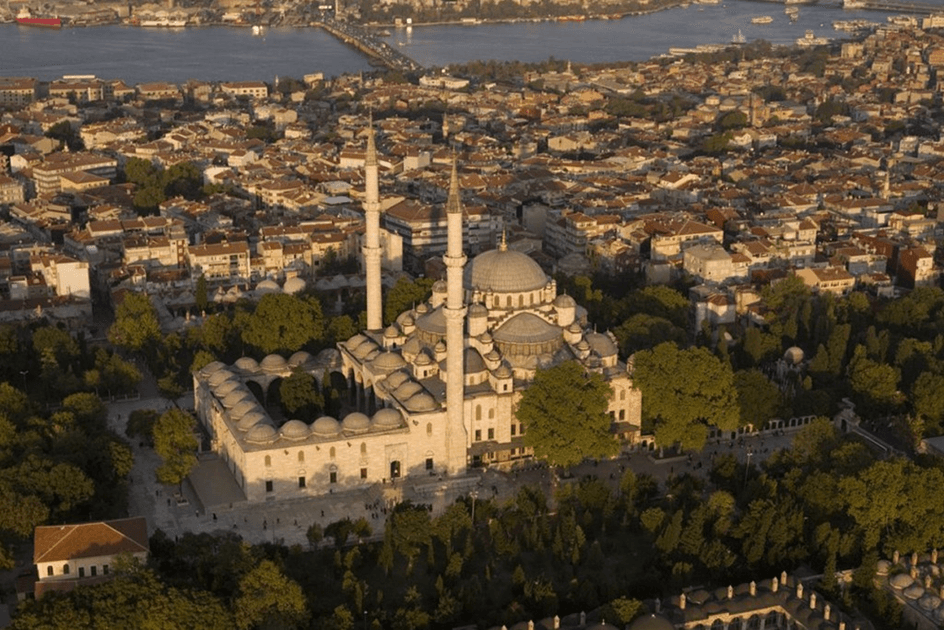
Fatih Hill and its surroundings (Source: Yedi Kıta Magazine Website)
The fifth hill, overlooking the Golden Horn, is associated with Yavuz Sultan Selim Mosque, built by Sultan Suleiman the Magnificent in honor of his father, Yavuz Sultan Selim. This hill also hosted the Blachernae Palace and Aspar Cistern during the Byzantine era. Today, the tranquil surroundings and stunning views of the Golden Horn add to the hill's significance.
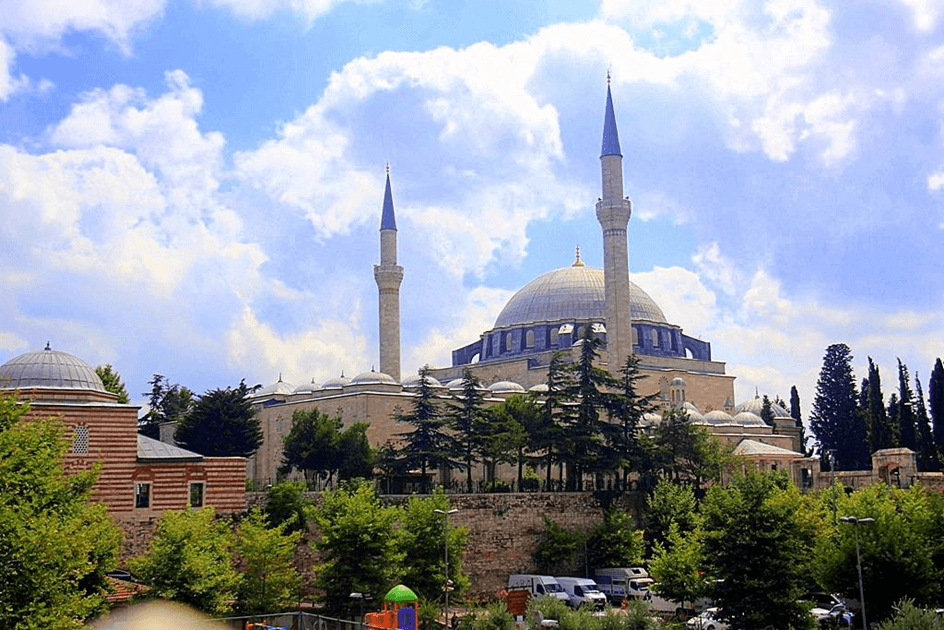
Yavuz Sultan Selim Hill and its surroundings (Source: Türkiyenin Tarihi Eserleri Website)
The sixth hill, the highest in Istanbul, is home to landmarks such as Mihrimah Sultan Mosque, Tekfur Palace, and Chora Mosque. Architect Sinan designed the Mihrimah Sultan Mosque for the daughter of Suleiman the Magnificent. The Chora Monastery, with its remarkable frescoes and mosaics, dates back to the Byzantine period. Previously a museum, the building has served as a mosque since 2020.
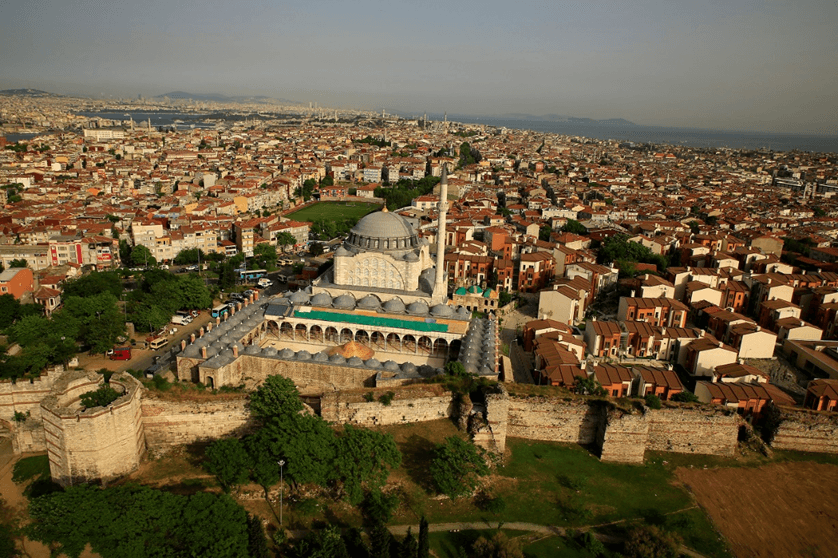
Edirnekapı Hill and its surroundings (Source: Fatih Municapality Website)
The seventh hill extends toward the Sea of Marmara and features Ottoman-era landmarks like the Haseki Complex and Cerrahpaşa Mosque. Commissioned by Hurrem Sultan, the Haseki Complex functioned as a social hub. During the Byzantine era, the Column of Arcadius stood in this area. The Cerrahpaşa Mosque, built by Grand Vizier Cerrah Mehmet Pasha, is a distinguished example of classical Ottoman architecture. The historic texture of this hill has been preserved to the present day.
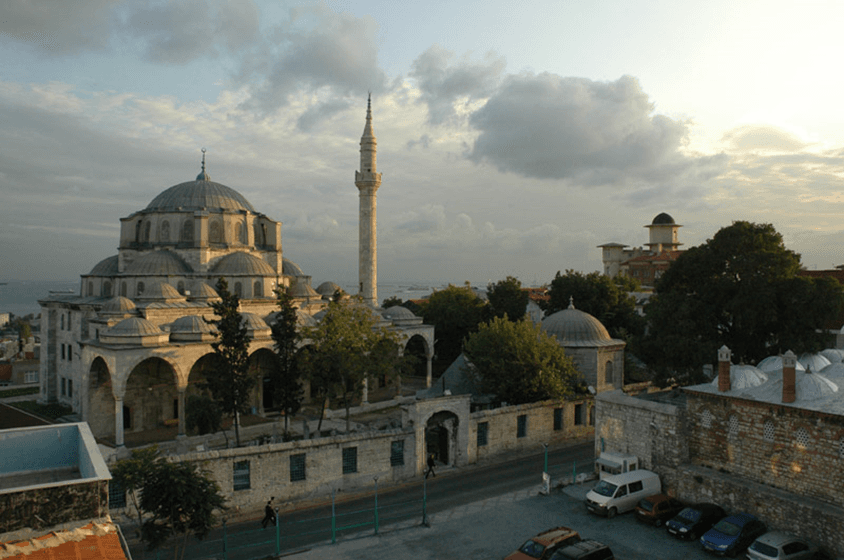
Cerrahpaşa Hill and its surroundings (Source: kimneyaziyor Website)
These seven hills form the backbone of Istanbul's historical narrative, offering a unique perspective on the city's evolution through Byzantine, Ottoman, and modern eras.
"Cerrahpaşa Camii: Mimari Hazine." Kim Ne Yazıyor. Accessed January 3, 2025. https://kimneyaziyor.com/seyahat/camiiler/cerrahpasa-camii-mimari-hazine/.
"Yedi Tepe İstanbul." Fatih Belediyesi. Accessed January 3, 2025. https://www.fatih.bel.tr/tr/main/pages/yedi-tepe-istanbul/293.
"Yedi Tepeli İstanbul." Obilet Blog. Accessed January 3, 2025. https://blog.obilet.com/yedi-tepeli-istanbul/.
"İstanbul'un Yedi Tepesi." Türkiye’nin Tarihi Eserleri. Accessed January 3, 2025. https://www.turkiyenintarihieserleri.com/?oku=2896.
"İstanbul’un 7 Tepesi." Yedikıta. Accessed January 3, 2025. https://yedikita.com.tr/istanbulun-7-tepesi/.
"İstanbul’un 7 Tepesi." İstanbul İl Kültür ve Turizm Müdürlüğü. Accessed January 3, 2025. https://istanbul.ktb.gov.tr/TR-276823/istanbul39un-7-yedi-tepesi.html.
"İstanbul’un Yedi Tepesi Neresi?" Yeni Akit. Accessed January 3, 2025. https://www.yeniakit.com.tr/foto-galeri/istanbulun-yedi-tepesi-neresi-67051/3.
"İstanbul’un Yedi Tepesi." Deraliye Terrace. Accessed January 3, 2025. https://tr.deraliyeterrace.com/istanbulun-yedi-tepesi.
"İstanbul’un Yedi Tepesi: Efsanelerle Bezenmiş Tarihi Şehir." Kampüste Ne Var. Accessed January 3, 2025. https://www.kampustenevar.com/kategori-kultur-ve-sanat/istanbulun-yedi-tepesi-efsanelerle-bezenmis-tarihi-sehir.

No Discussion Added Yet
Start discussion for "The Seven Hills of Istanbul" article
1. Sarayburnu Hill
2. Çemberlitaş Hill
3. Beyazıt Hill
4. Fatih Hill
5. Yavuz Sultan Selim Hill
6. Edirnekapı Hill
7. Cerrahpaşa Hill
This article was created with the support of artificial intelligence.