


This article was automatically translated from the original Turkish version.
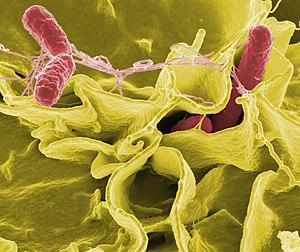
Typhoid and Paratyphoid are systemic infection diseases caused by bacteria of the Salmonella genus. Typhoid is caused by Salmonella enterica serotype Typhi (S. Typhi), while paratyphoid is caused by Salmonella enterica serotypes Paratyphi A, B, or C (S. Paratyphi). These diseases spread through consumption of contaminated water water and food and are particularly common in areas with inadequate sanitation. Typhoid and paratyphoid manifest with symptoms such as fire fever, head headache, abdominal pain and general fatigue such as. If left untreated, they can lead to serious complications road.
Typhoid and paratyphoid are transmitted via the fecal-oral route. This occurs when people consume water or food contaminated by the feces or urine of infected individuals. Contaminated water sources, poor sanitation, unhygienic food preparation and storage practices increase the risk of transmission. Direct contact with infected individuals can also lead to infection.
Typhoid and paratyphoid typically present symptoms after an incubation period of one to three weeks. Major symptoms include:
Paratyphoid causes symptoms similar to typhoid but generally follows a milder course with a lower risk of complications.
Untreated typhoid cases can lead to serious complications:
The diagnosis of typhoid and paratyphoid is made based on clinical signs and laboratory tests. Major diagnosis methods include:
Antibiotics are used in the treatment of typhoid and paratyphoid. However, treatment protocols are determined according to regional resistance patterns due to antibiotic resistance. Commonly used antibiotics include:
The typical treatment duration is 7 to 14 days. Additionally, maintaining fluid and electrolyte balance, controlling fever, and preventing complications are essential.
The following measures can prevent typhoid and paratyphoid:
Typhoid vaccination is recommended for travelers to endemic areas or for residents of such regions. Two types of typhoid vaccines are available:
Typhoid and paratyphoid are endemic particularly in South Asia Asia, Africa and Latin America. According to World Health Organization (WHO) data, 11 to 21 million typhoid cases and 128,000 to 161,000 death deaths occur annually worldwide. Paratyphoid cases account for approximately 5 to 25 percent of all typhoid cases.
Typhoid and paratyphoid are major still important public people health problems in areas with limited access to clean water and sanitation. Improving hygiene conditions, vaccination and early diagnosis and treatment are critical for prevention. Education and infrastructure infrastructure improvements play a vital lock role in combating typhoid and paratyphoid.
Butler, Thomas. "Typhoid Fever and Paratyphoid Fever." In Hunter's Tropical Medicine and Emerging Infectious Diseases, edited by G. Thomas Strickland, 9th ed., Elsevier, 2011, pp. 456-463.
Crump, John A., and Eric D. Mintz. "Global Trends in Typhoid and Paratyphoid Fever." Clinical Infectious Diseases, vol. 50, no. 2, February 2010, pp. 241-246.
Parry, Christopher M., Tran T. Hien, Gordon Dougan, Nicholas J. White, and Jeremy J. Farrar. "Typhoid Fever." New England Journal of Medicine, vol. 347, no. 22, November 2002, pp. 1770-1782.
Özbel, Yusuf. Tropikal Enfeksiyon Hastalıkları. Türk Klinik Mikrobiyoloji ve İnfeksiyon Hastalıkları Derneği Yayınları, 2015.

Etiology
Transmission Routes
Clinical Signs
Complications
Diagnosis
Treatment
Prevention and Control
Epidemiology