

+1 More


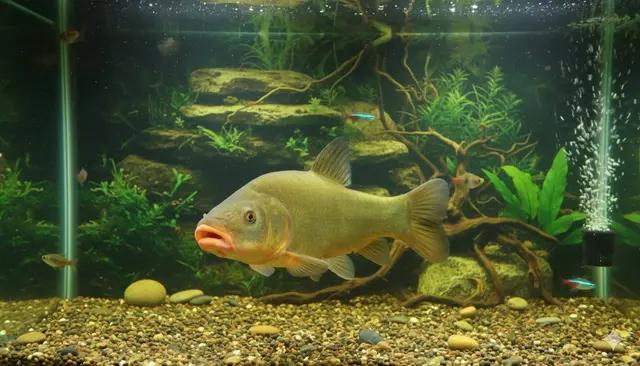
Tinca Gobba Dorata del Pianalto di Poirino (Generated by Artificial Intelligence)
Tinca Gobba Dorata del Pianalto di Poirinois a product of Tinca tinca (DOP - Protected Designation of Origin), a freshwater fish species of the European cyprinid family, cultivated in the Poirino High Plain, Italy. This fish is distinguished from Tinca species cultivated in other regions by its characteristic yellowish-golden (dorata) skin, its curved, humpbacked (gobba) back, and its unique organoleptic characteristics.
The production area for the Tinca Gobba Dorata del Pianalto di Poirino tench from the Poirino Plateau encompasses a geologically defined area called the Pianalto di Poirino (Poirino High Plain), which extends across the provinces of Turin, Cuneo, and Asti in Piedmont. The geography of this area, its clayey soils, and its isolation from other water sources play a role in the quality of the fish. In particular, ponds with clayey soils lack a consistently thick layer of mud at the bottom, and the variable water conditions of the body of water inhibit the growth of blue-green algae, which contribute to the "muddy" or "grassy" taste and odor found in the flesh of tinca species from other regions. Documents documenting the cultivation of this fish in the region dating back to the 13th century have documented the production of tinca. In fact, one of the taxes imposed on the rural population of Ceresole d'Alba required the delivery of specific amounts of tinca. Even 18th-century documents mention fishing families who made their living from the cultivation and sale of tinca.
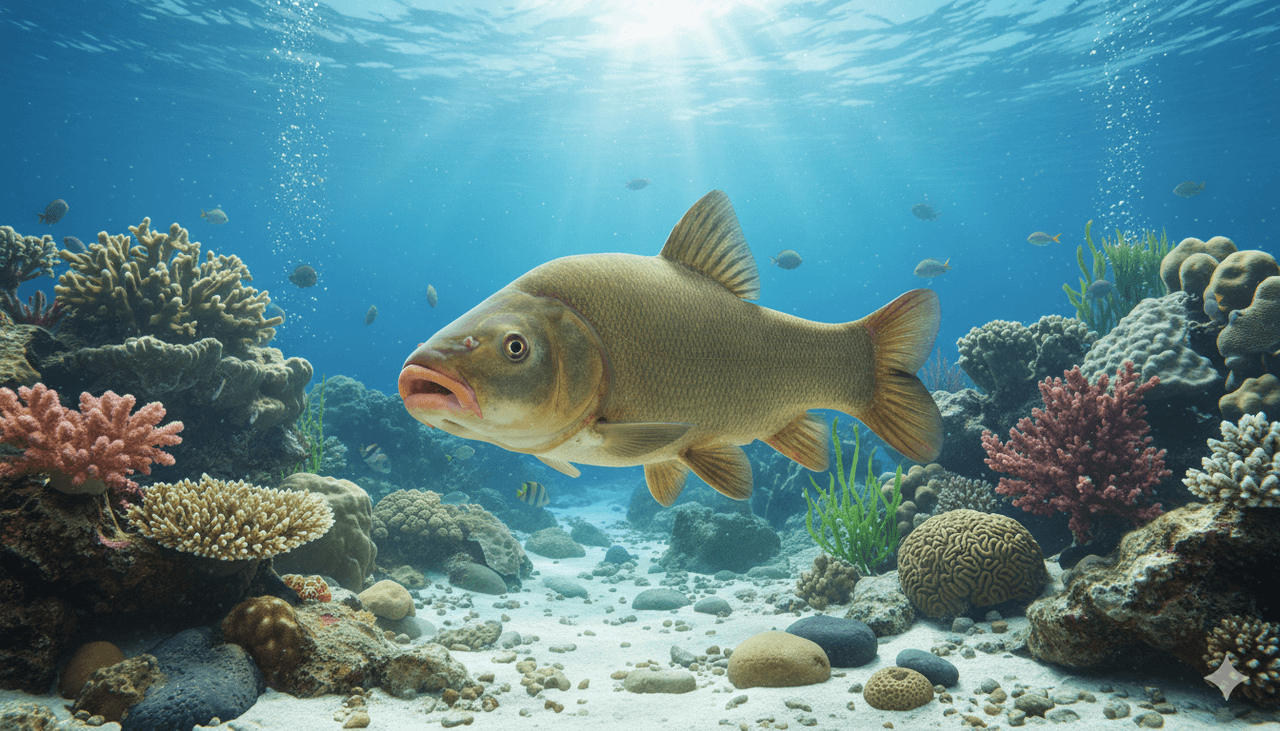
Tinca Gobba Dorata del Pianalto di Poirino (Generated by Artificial Intelligence)
Tinca Gobba Dorata del Pianalto di Poirino, labeled DOP, refers to unprocessed, fresh fish born, raised, and farmed in the same geographical area where it is cultivated. Morphological characteristics include vibrant, shiny, yellowish-gold skin, a curved, humpbacked back (gobba), a gray-green or opal-green back, and yellowish-gold flanks. The skin thickness should be minimal, no more than 1 mm. Furthermore, the fish's odor should be mild and freshwater, not sour or unpleasant. It should not have a mud or grassy odor. Organoleptically, unlike Tinca species from other geographical regions, the flesh does not exhibit a "mud" or "grassy" taste or odor. The flesh is soft, compact, and low in fat. Its flavor is mild and delicate, not as pronounced as that of sea fish. The weight of the fish offered for consumption ranges from 50 to 250 grams.
This fish species is raised using monoculture (monocoltura) in existing or newly constructed ponds constructed from the clay soils of the Poirino High Plain. To preserve the fish's unique chromatic characteristics, ponds with entirely artificial waterproofing or constructed with materials other than the clay of Pianalto are not permitted. Water supply for the ponds can be provided by rainwater, surface water, or groundwater sources (artesian wells). Feeding is supplemented by natural fertilization practices to provide zooplankton for the growth of the fry. In later stages of growth, supplemental feed systems not derived from meat meals or genetically modified organisms (GMOs) may be used. The protein content of these supplemental feeds should not exceed 45% of the total weight, with an appropriate distribution between proteins of plant and animal origin. Approximately 85% of the feed raw materials used (cereals, oilseeds, legumes, and milk/egg products) must be sourced from the Pianalto production area and be GMO-free. Conditioning (packaging) operations must be carried out only within the designated geographic area, taking into account traceability, control, and the highly perishable nature of the product.

Tinca Gobba Dorata del Pianalto di Poirino (Generated by Artificial Intelligence)
No Discussion Added Yet
Start discussion for "Tinca Gobba Dorata del Pianalto di Poirino" article
Geographical Area and Historical Connection
Morphological and Organoleptic Properties
Cultivation Method
This article was created with the support of artificial intelligence.