

Format | Television Series | ||||||||
|---|---|---|---|---|---|---|---|---|---|
Genre | Political Drama Action | ||||||||
Screenplay(s) | Mehmet Turgut (21-55) Bahadır Özdener (1-97) Raci Şaşmaz (1-97) Ahmet Yurdakul (1-6) | ||||||||
Director(s) | Osman Sınav (1-55) Serdar Akar (56-97) Mustafa Şevki Doğan (21-55) | ||||||||
Starring(s) | Gürkan Uygun Zafer Ergin Oktay Kaynarca Selçuk Yöntem Özgü Namal Necati Şaşmaz | ||||||||
Music(s) | Gökhan Kırdar | ||||||||
Country | Türkiye | ||||||||
Language(s) | Turkish | ||||||||
Number of Seasons | 4 | ||||||||
Total Episodes | 97 | ||||||||
Producer(s) | Raci Şaşmaz (2004-2005) Osman Sınav (2003-2004) | ||||||||
Filming Location | Istanbul | ||||||||
Cinematographer(s) | Tevfik Şenol (1-55) Selahattin Sancaklı (56-97) | ||||||||
Episode Duration | 60-70 minutes | ||||||||
Production Company | Pana Film (2004-2005) Sinegraf (2003-2004) | ||||||||
Broadcasting Networks | Kanal D (2005) Show TV (2003-2005) | ||||||||
Picture Format | 4:3 (576i) | ||||||||
Audio Format | Stereo | ||||||||
Original Release Date | January 15, 2003 | ||||||||
Final Episode Date | December 29, 2005 | ||||||||
Status | Completed | ||||||||
Series Continuation | Valley of the Wolves: Ambush (2007-2016) Valley of the Wolves: Terror (2007) | ||||||||
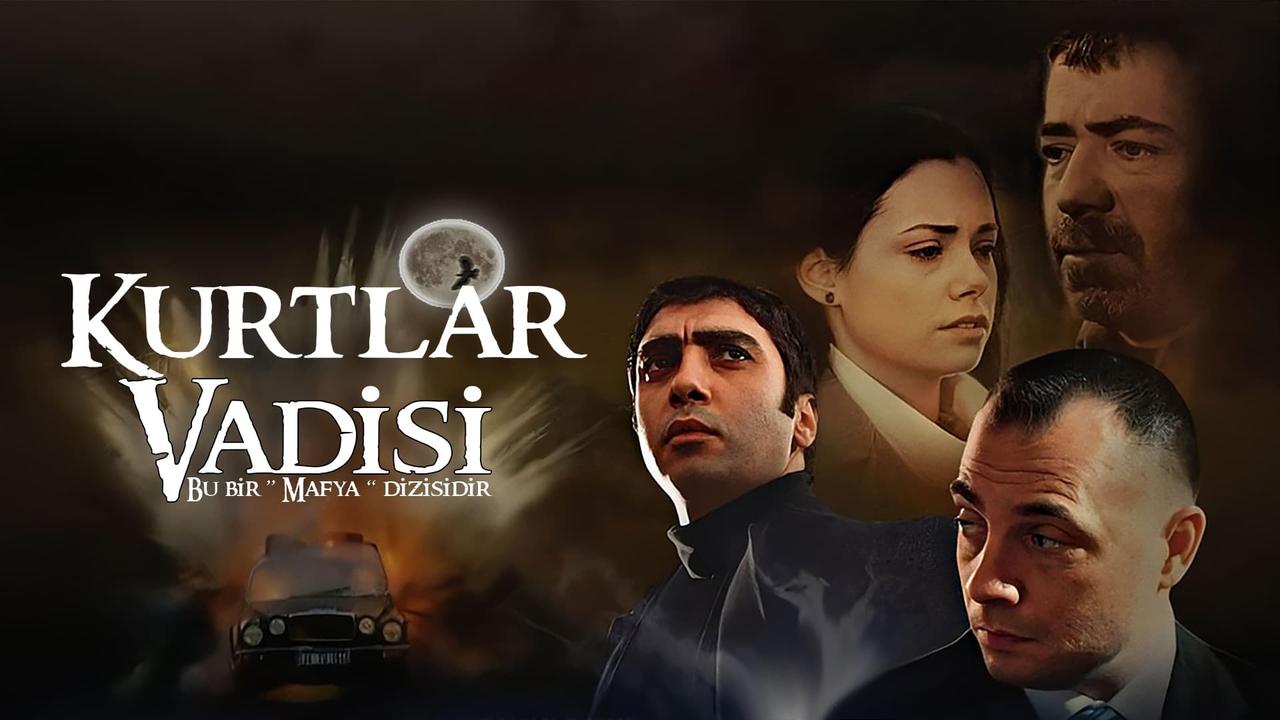
Premiering on Show TV in 2003, Valley of the Wolves (Kurtlar Vadisi) has established itself as a significant milestone in Turkish television history, reaching a broad audience over the years. Combining action, drama, and political thriller genres, the series has garnered significant interest both in Turkey and abroad by focusing on themes such as deep state structures, organized crime, intelligence agencies, and international affairs. Its gripping plot, strong characters, and striking dialogues have elevated it beyond a mere television show into a cultural phenomenon.

A Scene from Valley of the Wolves
The protagonist, Ali Candan, is a highly skilled intelligence officer assigned a final mission known as Operation Valley of the Wolves, aimed at dismantling the underground crime syndicate. To infiltrate this world, Ali stages his own death in a traffic accident and undergoes plastic surgery to assume the new identity of Polat Alemdar. He then infiltrates the Council of Wolves, a powerful criminal organization, working from within to bring it down. Over time, Polat rises to the highest ranks of the council, gaining immense power, but his ultimate goal remains to ensure justice and expose hidden power structures.
The series’ storyline frequently references contemporary political events and deep state mechanisms in Turkey, further fueling public discourse. Due to these references, Valley of the Wolves has transcended its role as a conventional action series, becoming a narrative that reflects and critiques Turkish political and social issues. Many of the events depicted in the series bear a striking resemblance to real-world occurrences, capturing the audience's attention and sparking intense discussions.
The series boasts a host of memorable characters. The lead role of Polat Alemdar is portrayed by Necati Şaşmaz. Among his closest allies and team members are:
Beyond these central figures, the series includes numerous supporting and guest characters, each playing a crucial role in the unfolding narrative.

An Excerpt from Valley of the Wolves
The early seasons of Valley of the Wolves were produced by Osman Sınav, with later seasons overseen by Raci Şaşmaz. The screenplay was written by Raci Şaşmaz, Bahadır Özdener, and Mehmet Turgut. The series was directed by Osman Sınav and Mustafa Şevki Doğan in the first 55 episodes, with Serdar Akar taking over thereafter.
The show ran for four seasons, comprising a total of 97 episodes. The first three seasons aired on Show TV, while the final season was broadcast on Kanal D. On December 29, 2005, the series concluded with its final episode. However, the franchise remained popular and continued in various formats in the years that followed.
Given the immense popularity of Valley of the Wolves, producers expanded the franchise with additional productions. In 2007, a sequel series titled Valley of the Wolves: Terror premiered but was canceled after only two episodes due to its sensitive content. Later that year, Valley of the Wolves: Ambush (Kurtlar Vadisi Pusu) debuted and ran until 2016.
The series also inspired several film adaptations, including:
These productions helped sustain the franchise’s popularity for many years.
Valley of the Wolves became a cultural phenomenon, influencing Turkish society in various ways. Many of its catchphrases and character references entered everyday conversations, and the show's portrayal of real-world issues contributed to public discussions. The lead character, Polat Alemdar, was perceived as a heroic figure, particularly among younger audiences.
However, the series also attracted criticism, primarily due to its violent content and nationalist rhetoric. Some academic studies suggested that the frequent depiction of violence normalized aggressive behavior among viewers, especially young audiences. Conversely, others argued that the series raised awareness of deep state structures and organized crime, portraying them as issues requiring public attention.

A Scene from Valley of the Wolves
Valley of the Wolves stands as one of the most influential and long-lasting productions in Turkish television history. Its compelling narrative and thematic depth have made it a focal point of debate, with strong connections to political and social realities. The subsequent spin-offs and film adaptations ensured that the franchise remained relevant long after the original series ended. Despite criticism, the show remains a defining moment in Turkish television history, setting a precedent for future productions in the genre.
"Kurtlar Vadisi (2003–2005)." IMDb. Son erişim 12 Şubat 2025. https://www.imdb.com/title/tt0421384/.
"Kurtlar Vadisi Pusu (2007–2016)." IMDb. Son erişim 12 Şubat 2025. https://www.imdb.com/title/tt1018501/.
"Kurtlar Vadisi Pusu." Kanal D. Son erişim 12 Şubat 2025. https://www.kanald.com.tr/kurtlar-vadisi-pusu/haber.
"Kurtlar Vadisi." Beyazperde. Son erişim 12 Şubat 2025. https://www.beyazperde.com/diziler/dizi-9871/.


Format | Television Series | ||||||||
|---|---|---|---|---|---|---|---|---|---|
Genre | Political Drama Action | ||||||||
Screenplay(s) | Mehmet Turgut (21-55) Bahadır Özdener (1-97) Raci Şaşmaz (1-97) Ahmet Yurdakul (1-6) | ||||||||
Director(s) | Osman Sınav (1-55) Serdar Akar (56-97) Mustafa Şevki Doğan (21-55) | ||||||||
Starring(s) | Gürkan Uygun Zafer Ergin Oktay Kaynarca Selçuk Yöntem Özgü Namal Necati Şaşmaz | ||||||||
Music(s) | Gökhan Kırdar | ||||||||
Country | Türkiye | ||||||||
Language(s) | Turkish | ||||||||
Number of Seasons | 4 | ||||||||
Total Episodes | 97 | ||||||||
Producer(s) | Raci Şaşmaz (2004-2005) Osman Sınav (2003-2004) | ||||||||
Filming Location | Istanbul | ||||||||
Cinematographer(s) | Tevfik Şenol (1-55) Selahattin Sancaklı (56-97) | ||||||||
Episode Duration | 60-70 minutes | ||||||||
Production Company | Pana Film (2004-2005) Sinegraf (2003-2004) | ||||||||
Broadcasting Networks | Kanal D (2005) Show TV (2003-2005) | ||||||||
Picture Format | 4:3 (576i) | ||||||||
Audio Format | Stereo | ||||||||
Original Release Date | January 15, 2003 | ||||||||
Final Episode Date | December 29, 2005 | ||||||||
Status | Completed | ||||||||
Series Continuation | Valley of the Wolves: Ambush (2007-2016) Valley of the Wolves: Terror (2007) | ||||||||
No Discussion Added Yet
Start discussion for "Valley of the Wolves (Kurtlar Vadisi)" article
Plot and Storyline
Characters and Cast
Production and Broadcasting History
Spin-offs and Film Adaptations
Social Impact and Criticism
This article was created with the support of artificial intelligence.