

+1 More

World Health Organization
Establishment Date | 1948 | ||||||||
|---|---|---|---|---|---|---|---|---|---|
Establishment Location | Geneva | ||||||||
Headquarters | Geneva, Switzerland | ||||||||
The World Health Organization (WHO) is an international organization established in 1948 under the United Nations (UN) system to combat global health issues. Headquartered in Geneva, Switzerland, the WHO operates as an institution aimed at improving health standards worldwide and reducing global health inequalities. As a pioneer in all kinds of health-related data and policy development efforts, the WHO seeks to ensure that health services are equal and accessible across the globe.
The fundamental mission of the WHO is to protect public health, combat infectious diseases, strengthen health systems, and promote the more effective implementation of health policies on a global scale. Collaborating with countries worldwide, the WHO provides sustainable solutions in the field of health and also responds rapidly to disasters and emergency health situations.
Together with all its members, the WHO determines the global health agenda and develops and implements a comprehensive strategy to solve global health problems. The health policies and initiatives carried out by the WHO have a significant impact on human health and help disseminate research and innovations in the health field on a global scale.
World Health Organization (WHO)
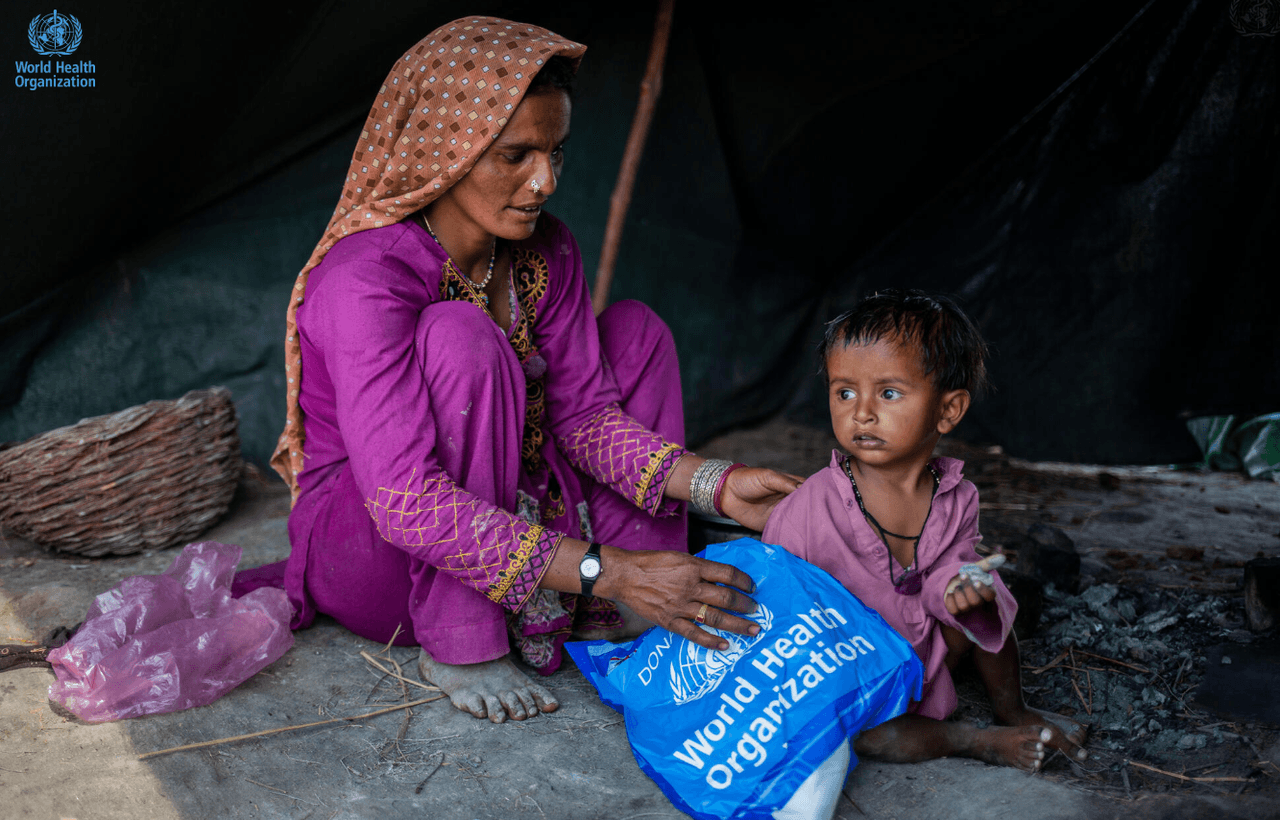
The World Health Organization (WHO) was established on April 7, 1948, and has since taken on a leadership role in global health. The foundation of the WHO arose from the need to address global health problems following World War II. Established as part of the United Nations (UN), the organization operates to ensure universal access to health services and to develop solutions to global health issues.
Before the WHO was established, a decision was made in 1945 within the UN to create a structure dedicated to health, and international platforms such as the Health Assembly and the Health Committee were established to address health problems accordingly. The founding of the WHO was the result of these platforms. Initially established in 1948 with the participation of 61 member countries, the World Health Organization today has over 190 member states.
Since its establishment, the WHO has developed various health policies to improve health services. From the 1950s onwards, the organization intensified its efforts against global epidemics, infectious diseases, and inadequate health infrastructure. Additionally, in 1978, the WHO adopted the goal of "Health for All," aiming to eliminate inequalities in health. In the 1980s and 1990s, broader projects in the health field were implemented; global strategies for combating diseases such as HIV/AIDS, malaria, and tuberculosis were developed. The history of the WHO includes significant milestones in responding to global health crises, shaping health policies, and raising health standards worldwide. These efforts have strengthened the organization’s leadership in health and increased its global impact on health.
The World Health Organization (WHO), headquartered in Geneva, is a specialized agency affiliated with the United Nations. It consists of various bodies aimed at ensuring global cooperation and effective governance in the field of health. The organization's administrative structure determines global health policies together with its members and establishes international health standards. The highest governing body is the World Health Assembly. The World Health Assembly is a platform that convenes annually and consists of representatives from more than 190 member states. This assembly determines the fundamental policies of the organization, sets strategic directions, and approves the organization's budget. The Assembly also supervises all activities of the organization and evaluates the outcomes. It is the primary decision-making body in developing global health standards to address international health problems.
The WHO’s Executive Board carries out the work of the World Health Assembly and oversees daily operations. The Executive Board consists of 34 members elected for a three-year term. This board supervises the implementation of the organization's policies, develops new strategies, and proposes solutions to global health issues. Additionally, the Executive Board coordinates WHO’s administrative processes and directs health-related research.
The Director-General of the organization holds the highest executive authority within the WHO and is elected by the World Health Assembly for a five-year term. The Director-General sets WHO’s strategic directions, manages global health initiatives, and coordinates the organization's activities concerning global health issues. The WHO Director-General also carries out various diplomatic efforts to collaborate with the UN and other international organizations in the health field and to enhance the organization’s global influence on health.
These bodies within the WHO’s structure ensure an effective functioning of the organization in addressing global health problems. Furthermore, the organization has many regional offices aimed at strengthening inter-country health cooperation, promoting education, and policy development in the health sector.
World Health Organization (WHO)
The World Health Organization (WHO) operates across a wide range of activities to address global health issues and strengthen health systems. Its fields of work cover a broad spectrum, from controlling infectious diseases to preventing chronic illnesses, and from environmental health issues to promoting healthy lifestyles. When determining health policies, the organization takes into account the health needs and conditions of each country.
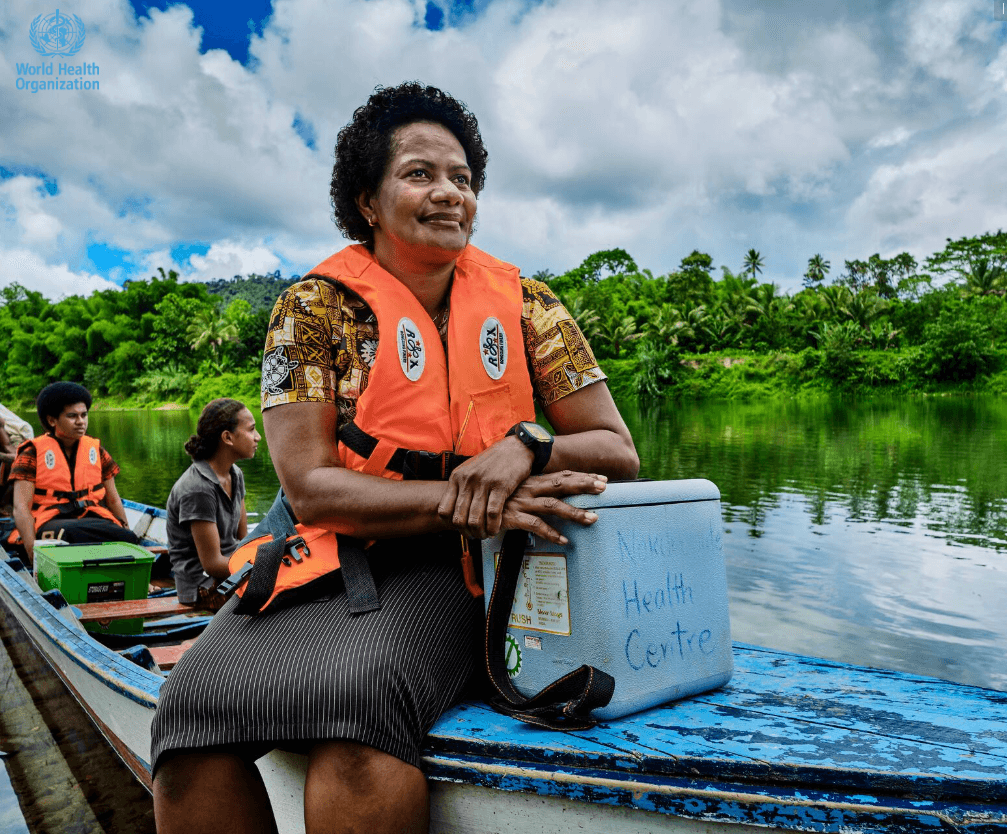
One of the WHO’s priority areas of work is the prevention and control of infectious diseases. The WHO develops global strategies to prevent the spread of HIV/AIDS, tuberculosis, malaria, and other infectious diseases. Additionally, the organization supports the development of medicines and vaccines for the treatment of these diseases and provides resources to strengthen health infrastructures. One of the most important projects in this area is the Global Malaria Program, which actively works to prevent the worldwide spread of malaria.
The WHO also takes significant steps in the field of mental health. Global health strategies encompass not only physical illnesses but also mental health issues. The WHO organizes awareness campaigns to reduce the social impact of mental disorders and develops programs offering various psychological health services. Moreover, it formulates global health policies concerning addiction and psychological trauma.
Environmental and health issues are also among the important areas of work for the WHO. Investigating the health effects of environmental factors such as global warming, air pollution, and water contamination, the WHO raises awareness among countries about environmental health and develops sustainable health solutions. The organization also runs various programs aimed at reducing the impact of environmental factors on children and the elderly.
World Health Organization (WHO)
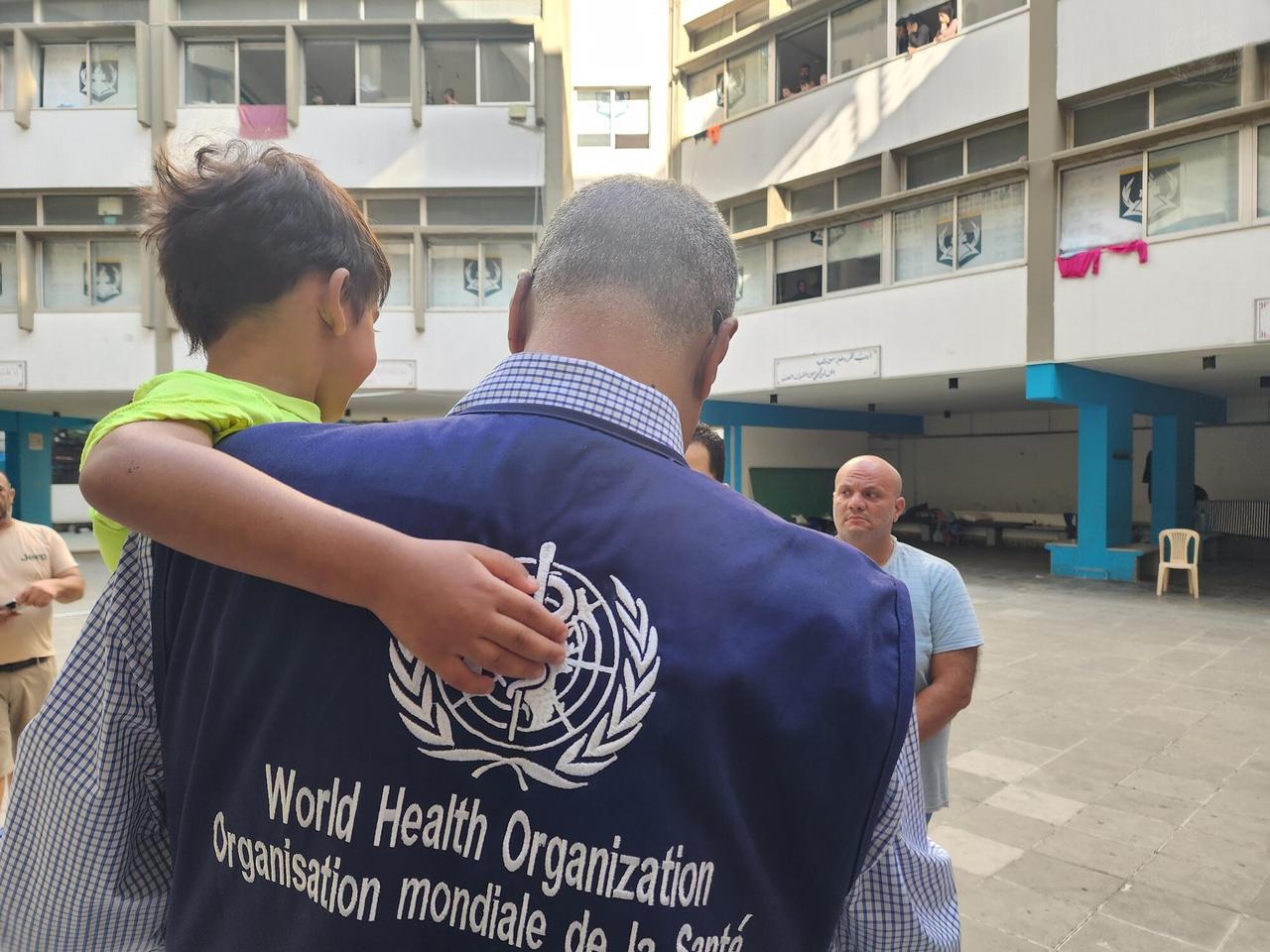
The World Health Organization (WHO) has had a strong collaboration with Türkiye for many years, and this relationship has had a significant impact on Türkiye's health policies. Türkiye is one of the founding members of the WHO and participates in many of the organization’s global health programs. The WHO’s cooperation with Türkiye focuses especially on areas such as strengthening health systems, controlling infectious diseases, health education, and increasing access to health services.
Türkiye actively participates in various WHO health programs and holds an important stakeholder role in this process. Türkiye’s success in the health field is frequently acknowledged by the WHO, and it plays an active role in solving regional health problems. Together with the WHO, Türkiye has implemented reforms in its health system and taken important steps toward complying with global health standards. In particular, Türkiye’s efforts to strengthen health infrastructure and make health services accessible to all segments of society are cited as exemplary by the WHO.
Türkiye’s cooperation with the WHO is also effectively conducted at the regional level. The WHO regards Türkiye as a leader in health projects in regions such as Central Asia and the Balkans, and Türkiye acts as a hub seeking solutions to health issues in these areas. Additionally, Türkiye’s financial contributions to WHO health programs and initiatives are significant. To strengthen inter-country health cooperation, Türkiye provides resources to many WHO health projects.
BBC Türkçe. “BBC Türkçe – Dünya Sağlık Örgütü.” https://www.bbc.com/turkce/topics/cr50y6x78z7t. Access date: May 16, 2025.
T.C. Cenevre Daimi Temsilciliği. “Dünya Sağlık Örgütü (DSÖ).” https://cenevreofisi-dt.mfa.gov.tr/Mission/ShowInfoNote/353797. Access date: May 16, 2025.
T.C. Dışişleri Bakanlığı. “Dünya Sağlık Örgütü (DSÖ).” https://www.mfa.gov.tr/who.tr.mfa.Access date: May 16, 2025.
World Health Organization. “About WHO.” https://www.who.int/about. Access date: May 16, 2025.
World Health Organization. “Activities.” https://www.who.int/activities. Access date: May 16, 2025.
World Health Organization. “Health Topics.” https://www.who.int/health-topics/. Access date: May 16, 2025.
World Health Organization. “Initiatives.” https://www.who.int/initiatives. Access date: May 16, 2025.
World Health Organization. “Member States Portal.” https://www.who.int/about/governance/member-states-portal. Access date: May 16, 2025.
World Health Organization. “World Health Statistics.” https://www.who.int/data/gho/publications/world-health-statistics. Access date: May 16, 2025.
World Health Organization Türkiye. “Türkiye’de DSÖ.” https://www.who.int/turkiye. Access date: May 16, 2025.

World Health Organization
Establishment Date | 1948 | ||||||||
|---|---|---|---|---|---|---|---|---|---|
Establishment Location | Geneva | ||||||||
Headquarters | Geneva, Switzerland | ||||||||
No Discussion Added Yet
Start discussion for "World Health Organization" article
History
Structure and Administration
Fields of Work and Programs
The Relationship Between the World Health Organization and Türkiye
This article was created with the support of artificial intelligence.