

Bu içerik Türkçe olarak yazılmış olup yapay zeka ile otomatik olarak İngilizceye çevrilmiştir.
Fenerbahçe Spor Kulübü and the founder of the Republic of Türkiye, Mustafa Kemal Atatürk share a relationship grounded in a broad historical and legal framework, spanning from the club’s founding ideals of independence during its early years, through logistical support during the National Struggle, to institutional developments after the Republic’s establishment, including stadium ownership and crisis management. 【1】
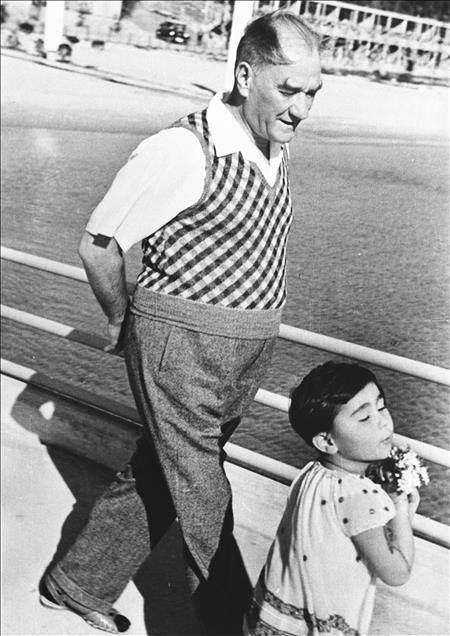
Atatürk, 1936'da Florya'da manevi kızı Ülkü ile birlikte (AA)
The founding of Fenerbahçe emerged as a response to the dominance of foreigners in football during the final years of the Ottoman Empire. Young men Nurizade Ziya, Ayetullah, Bahriyeli Necip, and Asaf, together with Enver Bey, a Turkish language teacher at Saint Joseph High School, laid the foundations of the club. Kadıköy, where foreigners were numerous, became the birthplace of ideals of independence and equality that became central to the club’s identity. Founded in spring 1907, the club faced severe financial and administrative challenges in its early years. Particularly during Ayetullah Bey’s presidency, his firm stance in merger negotiations with Üsküdar Pazaryolu Kulübü—insisting on preserving the club’s name and independence—proved decisive for its long-term continuity. 【2】
Ayetullah Bey stated that Fenerbahçe was established not merely to play football but for higher purposes. During this period, Elkatipzade Mustafa Bey created the club’s first youth teams, institutionalizing its player development system. Fenerbahçe won its first championship in 1912 and in 1913 drafted its constitution, becoming one of the first clubs officially registered under the Associations Law. The opening of the Kuşdili Lokali in 1914 and the club’s first international trip to Russia symbolized its growth on both national and international levels. 【3】
The Hero of Anafartalar, Mustafa Kemal Paşa, visited Fenerbahçe Spor Kulübü on 3 May 1918. 【4】
Before the visit, Paşa spent the night as a guest at the home of his close friend and then Fenerbahçe president, Sabri Toprak. 【5】In the afternoon, Mustafa Kemal Paşa arrived at the club’s Kuşdili premises and remained for hours meeting with officials. 【6】He inscribed famous lines in the club’s commemorative book, expressing his admiration for Fenerbahçe’s efforts and offering his congratulations on its achievements. 【7】
At the conclusion of the visit, as he departed from the dock aboard a boat arranged by Elkatipzade Mustafa Bey, he addressed those present: “I wish eternal success to Fenerbahçe.” 【8】Münir Nurettin Selçuk, a contemporary witness, noted that Paşa’s presence at the club had a profound impact on its members. 【9】
Additionally, the newspapers Tasvir-i Efkâr and Zaman of 4 May 1918 documented Mustafa Kemal Paşa’s attendance at the “Schoolchildren’s Sports Festival” held on the same day at the Kadıköy İttihat Sports Field. At this ceremony, high-ranking state officials including Prince Abdülhalim Efendi and Acting Minister of Education Ali Münif Bey were also present. Under the command of Selim Sırrı Bey, various physical exercises and sports games were performed. 【10】
19 May 1919 marked the beginning of the Samsun campaign, the start of the National Struggle, during which Fenerbahçe Spor Kulübü distinguished itself through logistical and moral support. During the occupation years, the club served as a source of morale for the people of Istanbul, and many of its founders and members served directly on the frontlines. Founding president Nurizade Ziya Bey participated in the 1921 TBMM delegation to London, while the club’s first member, Enver Yetiker, served at the Istanbul customs office, and Necip Okaner worked on the front as a naval officer. 【11】The club’s president at the time, Sabri Toprak, after returning from exile in Malta, moved to Anatolia and served as Director General of Posts and Telegraphs in Ankara. 【12】
During the preparatory stages of the National Struggle, football was regarded as part of military discipline and morale. When İsmet Paşa was asked which sport the Turkish people favored most, he replied: “Horsemanship and football: While our nation was in Anatolia, we formed football teams from every regiment. Although we did not strictly adhere to formal rules, the enthusiasm shown by soldiers offered great hope for the future. We await the conclusion of the Lausanne Conference to resolve this matter of primary importance.”【13】
On 27 July 1922, as part of the preparations for the Great Offensive, a football match was organized at the front headquarters, which Mustafa Kemal Paşa, İsmet Paşa, and Fevzi Paşa attended together. 【14】In a 1922 interview, İsmet Paşa confirmed that football teams had been established in every regiment in Anatolia and that soldiers showed great enthusiasm for the sport. 【15】After the victory, Refet Paşa visited the Fenerbahçe Stadium and Kuşdili Lokali in October 1922 and added his own notes to the commemorative book signed by Mustafa Kemal Paşa. 【16】
Gazi Mustafa Kemal Paşa personally attended a football match between Fenerbahçe and a combined team from Bursa and Ankara on 1 October 1925 during the first day of his journey to Bursa.
【17】
This event, widely covered in the newspapers of the time—Hakimiyet-i Milliye, Cumhuriyet, and Akşam—was pre-planned within the framework of state protocol. To attend the match, Paşa postponed his scheduled visit to the Electricity Factory. Atatürk, watching the game from a specially prepared tribune at Atıcılar Meydanı, left the field amid the applause of thousands after the match ended in a 1–1 draw. 【18】
The Fenerbahçe delegation traveled to Bursa aboard the ship “Kınalıada” as a group of 65 people. The historic match featured players such as Hüsnü, Füruzan, Suat, Ulvi, Ragıp, Selahaddin, Seyfi, Şekip, Sedat, Şahap, and İhsan. During the match, Fenerbahçe athletes paid their respects to Gazi, and Atatürk, in greeting the young athletes, expressed his satisfaction with them. 【19】
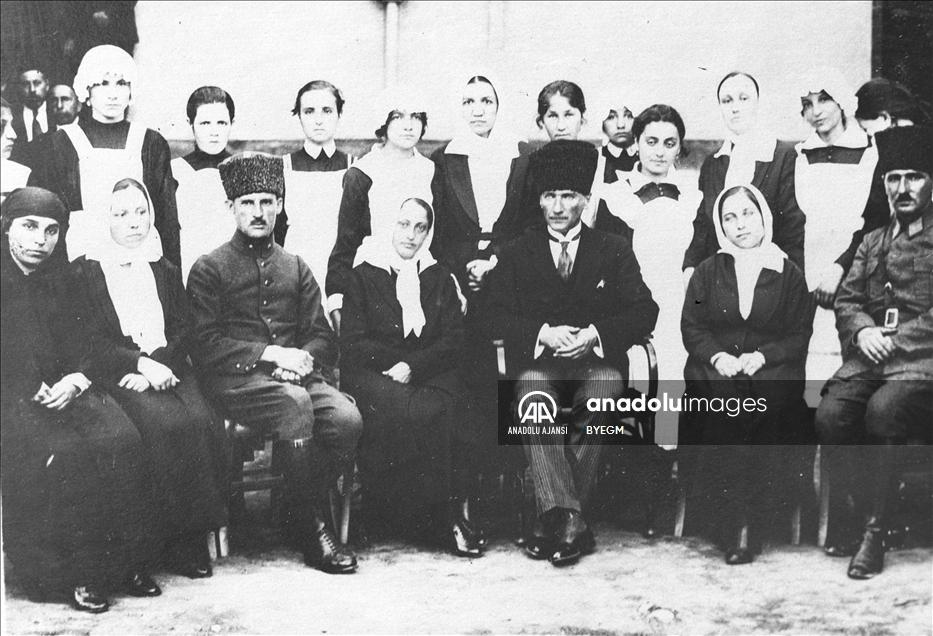
19 Mayıs Atatürk'ü Anma, Gençlik ve Spor Bayramı'nın 102. yıl dönümü kutlanıyor. (AA)
The ownership and leasing process of Fenerbahçe Stadium was shaped directly by decrees bearing the signature of President Gazi Mustafa Kemal. Two critical documents regarding the stadium’s land are preserved in the State Archives. On 7 January 1931, a decree granted the stadium land to Fenerbahçe Club on a ten-year lease, with the condition that the club construct an athletics track and volleyball and basketball courts on the site. 【20】
A second decree, dated 13 July 1932 and numbered 13104, marked a significant step toward transferring ownership. After the club’s building in Kuşdili burned down, the government, with the support of the Acting Minister of Justice Şükrü Saracoğlu, assisted the club, accelerating the process of purchasing the stadium. These legal measures strengthened the club’s institutional structure and enabled the transformation of the stadium into a modern sports complex. 【21】
During the night of 5–6 June 1932, Fenerbahçe’s Kuşdili club building was completely destroyed by a major fire. All documents, trophies, and memorabilia from the club’s 25-year history were lost in the blaze. 【22】In response to this disaster, a nationwide fundraising campaign was launched. The most significant support came directly from Mustafa Kemal Atatürk. Through İş Bankası, Atatürk donated 500 Turkish Liras to the club, demonstrating his confidence in and support for its young athletes. 【23】
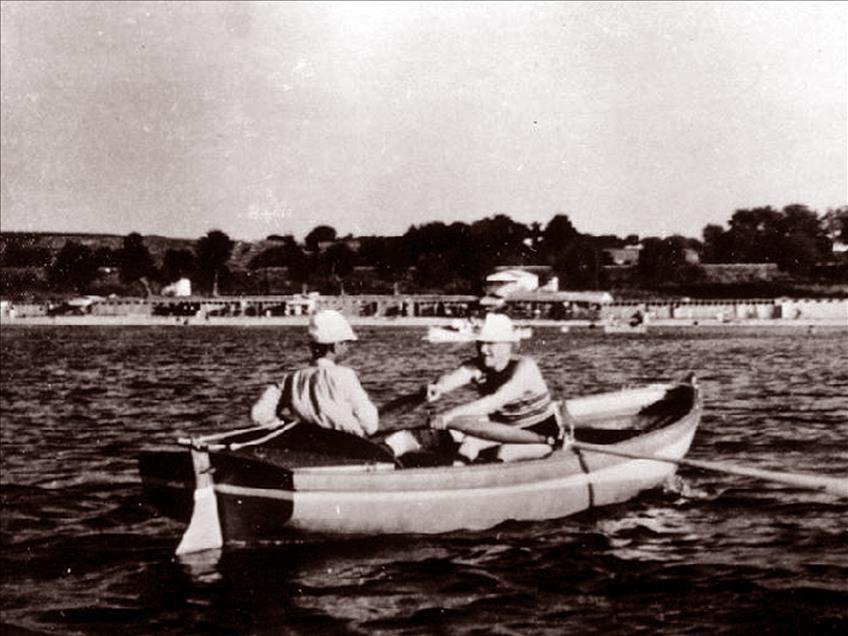
Atatürk İstanbul'da sandalda kürek çekerken (AA)
Donations collected through the newspapers Cumhuriyet and Milliyet received widespread support from all segments of society. Among the donors were students, factory workers, small business owners, and the artist Münir Nurettin Selçuk. This spirit of solidarity enabled Fenerbahçe to rise from the ashes of the fire and laid the foundation for the current stadium. 【24】
Atatürk viewed sport as a means of racial rejuvenation, national defense, and modernization. His speech on 30 September 1926 upon receiving the delegation of the Turkish Sports Associations Federation carries the character of a “Sports Manifesto.” In this address, he emphasized that sport was not merely a physical activity but also a vital element of national education. 【25】
He also supported women’s place in social life through sport: the first Turkish Women’s Athletics Competition held at Fenerbahçe Stadium in 1926 and Sabiha Rıfat Gürayman’s participation in Fenerbahçe’s men’s volleyball team in 1929 reflected this ideal. 【26】Atatürk defined sport as “the material and spiritual capacity to seize by the throat those who violate the supreme interests of the homeland.” 【27】Since the proclamation of the Republic, Fenerbahçe has closely embraced Atatürk’s ideal of a “New State, New Society,” supporting all his reforms. 【28】
On 1 June 1934, during the celebrations marking the club’s 26th anniversary, a large bust of Atatürk was installed at the stadium in a formal ceremony. 【29】Permission for the bust was obtained directly from Gazi Atatürk via telegram. 【30】
At the ceremony, Bolu Deputy Cevat Abbas Gürer and Kadıköy District Governor delivered speeches. The yellow and navy cover over the bust was unveiled to the tune of the Tenth Anniversary March. Fenerbahçe athletes, facing the bust, took an oath to walk the path opened by Atatürk and to safeguard the Republic entrusted to them. On the same day, Fenerbahçe’s legendary goalscorer Zeki Rıza Sporel retired from active football and celebrated his jubilee. The tributes to Zeki Rıza received extensive coverage in the press of the time, and his embrace with Galip Kulaksızoğlu was recorded as a historic moment. 【31】
In the final years of his life, Atatürk continued to frequently visit the neighborhoods of Kadıköy and Fenerbahçe. 【32】On 17 May 1936, after disembarking at Fenerbahçe Station, Paşa took a walk through the area and was met with enthusiastic public demonstrations. During this visit, he also stopped at the residence of the Minister of the Interior, Şükrü Kaya, before returning to Dolmabahçe Palace by the Kalamış ferry. 【33】The “Atatürk Day” held at Fenerbahçe Stadium in 1935 was celebrated with great public participation as an expression of the clubs’ and people’s gratitude toward Atatürk. Matches were held between combined teams of Fenerbahçe-Galatasaray and Beşiktaş-Güneş. 【34】
Sabri Toprak and Elkatipzade Mustafa Bey played pivotal roles in establishing communication between Fenerbahçe and Atatürk. 【35】Sabri Toprak, as the İttihat ve Terakki Party’s Kadıköy representative and club president, was the individual who brought Atatürk to Fenerbahçe. His patriotic stance during the National Struggle and his high-ranking positions in Ankara made him one of Atatürk’s most trusted collaborators. 【36】
Elkatipzade Mustafa Bey, through the dedication of his life and material resources, ensured Fenerbahçe’s survival. 【37】He was the man who used a boat to escort Atatürk safely away after his 1918 visit. 【38】These men were not merely administrators of a sports club; they were representatives of Republican ideals within the realm of sport. Sabri Toprak’s death in 1938, shortly before Atatürk’s passing, created profound sorrow within the Fenerbahçe community. 【39】
On 10 November 1938, the eternal departure of Gazi Mustafa Kemal Atatürk was described by the Fenerbahçe community as the “Great Grief.” Nasuhi Baydar, one of the club’s symbolic figures, wrote in his tribute to Atatürk that he had bequeathed to them a love for homeland and nation. Atatürk’s memory and his appreciation will continue to live forever within the identity of Fenerbahçe Club. 【40】
Anadolu Ajansı. "Anadolu Ajansı arşivinden Atatürk." Accessed May 8, 2026. https://www.aa.com.tr/tr/pg/foto-galeri/anadolu-ajansi-arsivinden-ataturk/0
Anadolu Ajansı. "Gazi Mustafa Kemal Atatürk gençlerle." Accessed May 8, 2026. https://www.aa.com.tr/tr/pg/foto-galeri/gazi-mustafa-kemal-ataturk-genclerle
Fenerbahçe Tarihi. "3 Mayıs." Accessed March 25, 2026. https://fenerbahcetarihi.org/2021/05/03/3-mayis
Fenerbahçe Tarihi. "Atatürk Fenerbahçe Stadı’nda!" Accessed March 25, 2026. https://fenerbahcetarihi.org/2020/11/06/ataturk-fenerbahce-stadinda/
Fenerbahçe Tarihi. "Atatürk Fenerbahçe'de." Accessed March 25, 2026. https://fenerbahcetarihi.org/2020/04/23/ataturk-fenerbahcede-2-2/
Fenerbahçe Tarihi. "Atatürk Günü." Accessed March 25, 2026. https://fenerbahcetarihi.org/2023/06/10/ataturk-gunu/
Fenerbahçe Tarihi. "Atatürk’ü Fenerbahçe’ye Getiren Başkan." Accessed March 25, 2026. https://fenerbahcetarihi.org/2020/04/24/ataturku-fenerbahceye-getiren-baskan/
Fenerbahçe Tarihi. "Atatürk’ün Fenerbahçe’ye Çektiği Telgraf." Accessed March 25, 2026. https://fenerbahcetarihi.org/2021/03/10/ataturkun-fenerbahceye-cektigi-telgraf/
Fenerbahçe Tarihi. "Başkomutan ve Futbol." March 25, 2026. https://fenerbahcetarihi.org/2023/03/31/baskomutan-ve-futbol/
Fenerbahçe Tarihi. "Büyük Acı." Accessed March 25, 2026. https://fenerbahcetarihi.org/2021/05/02/buyuk-aci/
Fenerbahçe Tarihi. "Cephede Futbol." Accessed March 25, 2026. https://fenerbahcetarihi.org/2023/09/13/cephede-futbol/
Fenerbahçe Tarihi. "Gazi Büstü’nün Açılışı ve Zeki Rıza Sporel’in Jübilesi." Accessed March 25, 2026. https://fenerbahcetarihi.org/2020/06/01/gazi-bustunun-acilisi-ve-zeki-riza-sporelin-jubilesi/
Fenerbahçe Tarihi. "Gazi’nin Fenerbahçe Kadrosu." Accessed March 25, 2026. https://fenerbahcetarihi.org/2022/11/27/gazinin-fenerbahce-kadrosu/
Fenerbahçe Tarihi. "Küllenmeyen Sevdanın Kahramanları." Accessed March 25, 2026. https://fenerbahcetarihi.org/2020/06/02/kullenmeyen-sevdanin-kahramanlari/
Fenerbahçe Tarihi. "Milli Maça Davet." Accessed March 25, 2026. https://fenerbahcetarihi.org/2021/09/13/milli-maca-davet/
Fenerbahçe Tarihi. "Mustafa Kemal Paşa Fenerbahçe’de." Accessed March 25, 2026. https://fenerbahcetarihi.org/2020/04/18/mustafa-kemal-pasa-fenerbahcede/
[1]
Fenerbahçe Tarihi. "3 Mayıs." Erişim Tarihi 25 Mart 2026. https://fenerbahcetarihi.org/2021/05/03/3-mayis/
[2]
Fenerbahçe Tarihi. "3 Mayıs." Erişim Tarihi 25 Mart 2026. https://fenerbahcetarihi.org/2021/05/03/3-mayis/
[3]
Fenerbahçe Tarihi. "3 Mayıs." Erişim Tarihi 25 Mart 2026. https://fenerbahcetarihi.org/2021/05/03/3-mayis/
[4]
Fenerbahçe Tarihi. "Atatürk Fenerbahçe Stadı’nda!" Erişim Tarihi 25 Mart 2026. https://fenerbahcetarihi.org/2020/11/06/ataturk-fenerbahce-stadinda/
[5]
Fenerbahçe Tarihi. "Atatürk’ü Fenerbahçe’ye Getiren Başkan." Erişim Tarihi 25 Mart 2026. https://fenerbahcetarihi.org/2020/04/24/ataturku-fenerbahceye-getiren-baskan/
[6]
Fenerbahçe Tarihi. "Mustafa Kemal Paşa Fenerbahçe’de." Erişim Tarihi 25 Mart 2026. https://fenerbahcetarihi.org/2020/04/18/mustafa-kemal-pasa-fenerbahcede/
[7]
Fenerbahçe Tarihi. "Başkomutan ve Futbol." 25 Mart 2026. https://fenerbahcetarihi.org/2023/03/31/baskomutan-ve-futbol/
[8]
Fenerbahçe Tarihi. "3 Mayıs." Erişim Tarihi 25 Mart 2026. https://fenerbahcetarihi.org/2021/05/03/3-mayis/
[9]
Fenerbahçe Tarihi. "Mustafa Kemal Paşa Fenerbahçe’de." Erişim Tarihi 25 Mart 2026. https://fenerbahcetarihi.org/2020/04/18/mustafa-kemal-pasa-fenerbahcede/
[10]
Fenerbahçe Tarihi. "Atatürk Fenerbahçe Stadı’nda!" Erişim Tarihi 25 Mart 2026. https://fenerbahcetarihi.org/2020/11/06/ataturk-fenerbahce-stadinda/
[11]
Fenerbahçe Tarihi. "3 Mayıs." Erişim Tarihi 25 Mart 2026. https://fenerbahcetarihi.org/2021/05/03/3-mayis/
[12]
Fenerbahçe Tarihi. "Atatürk’ü Fenerbahçe’ye Getiren Başkan." Erişim Tarihi 25 Mart 2026. https://fenerbahcetarihi.org/2020/04/24/ataturku-fenerbahceye-getiren-baskan/
[13]
Fenerbahçe Tarihi. "Başkomutan ve Futbol." Erişim Tarihi 25 Mart 2026. https://fenerbahcetarihi.org/2023/03/31/baskomutan-ve-futbol/
[14]
Fenerbahçe Tarihi. "Cephede Futbol" Erişim Tarihi 25 Mart 2026. https://fenerbahcetarihi.org/2023/09/13/cephede-futbol/
[15]
Fenerbahçe Tarihi. "Başkomutan ve Futbol." Erişim Tarihi 25 Mart 2026. https://fenerbahcetarihi.org/2023/03/31/baskomutan-ve-futbol/
[16]
Fenerbahçe Tarihi. "3 Mayıs." Erişim Tarihi 25 Mart 2026. https://fenerbahcetarihi.org/2021/05/03/3-mayis/
[17]
Fenerbahçe Tarihi. "Gazi’nin Fenerbahçe Kadrosu." Erişim Tarihi 25 Mart 2026. https://fenerbahcetarihi.org/2022/11/27/gazinin-fenerbahce-kadrosu/
[18]
Fenerbahçe Tarihi. "Atatürk Fenerbahçe Maçında." Erişim Tarihi 25 Mart 2026. https://fenerbahcetarihi.org/2021/04/25/ataturk-fenerbahce-macinda/
[19]
Fenerbahçe Tarihi. "Gazi’nin Fenerbahçe Kadrosu." Erişim Tarihi 25 Mart 2026. https://fenerbahcetarihi.org/2022/11/27/gazinin-fenerbahce-kadrosu/
[20]
Fenerbahçe Tarihi. "Atatürk ve Fenerbahçe Stadı." Erişim Tarihi 25 Mart 2026. https://fenerbahcetarihi.org/2020/04/05/ataturk-ve-fenerbahce-stadi/
[21]
Fenerbahçe Tarihi. "Atatürk ve Fenerbahçe Stadı." Erişim Tarihi 25 Mart 2026. https://fenerbahcetarihi.org/2020/04/05/ataturk-ve-fenerbahce-stadi/
[22]
Fenerbahçe Tarihi. "Küllenmeyen Sevdanın Kahramanları." Erişim Tarihi 25 Mart 2026. https://fenerbahcetarihi.org/2020/06/02/kullenmeyen-sevdanin-kahramanlari/
[23]
Fenerbahçe Tarihi. "3 Mayıs." Erişim Tarihi 25 Mart 2026. https://fenerbahcetarihi.org/2021/05/03/3-mayis/
[24]
Fenerbahçe Tarihi. "Küllenmeyen Sevdanın Kahramanları." Erişim Tarihi 25 Mart 2026. https://fenerbahcetarihi.org/2020/06/02/kullenmeyen-sevdanin-kahramanlari/
[25]
Fenerbahçe Tarihi. "Gazi'nin Spor Manifestosu." Erişim Tarihi 25 Mart. https://fenerbahcetarihi.org/2022/12/09/gazinin-spor-manifestosu/
[26]
Fenerbahçe Tarihi. "3 Mayıs." Erişim Tarihi 25 Mart 2026. https://fenerbahcetarihi.org/2021/05/03/3-mayis/
[27]
Fenerbahçe Tarihi. "Milli Maça Davet." Erişim Tarihi 25 Mart 2026. https://fenerbahcetarihi.org/2021/09/13/milli-maca-davet/
[28]
Fenerbahçe Tarihi. "3 Mayıs." Erişim Tarihi 25 Mart 2026. https://fenerbahcetarihi.org/2021/05/03/3-mayis/
[29]
Fenerbahçe Tarihi. "Gazi Büstü’nün Açılışı ve Zeki Rıza Sporel’in Jübilesi." Erişim Tarihi 25 Mart 2026. https://fenerbahcetarihi.org/2020/06/01/gazi-bustunun-acilisi-ve-zeki-riza-sporelin-jubilesi/
[30]
Fenerbahçe Tarihi. "Atatürk’ün Fenerbahçe’ye Çektiği Telgraf." Erişim Tarihi 25 Mart 2026. https://fenerbahcetarihi.org/2021/03/10/ataturkun-fenerbahceye-cektigi-telgraf/
[31]
Fenerbahçe Tarihi. "Gazi Büstü’nün Açılışı ve Zeki Rıza Sporel’in Jübilesi." Erişim Tarihi 25 Mart 2026. https://fenerbahcetarihi.org/2020/06/01/gazi-bustunun-acilisi-ve-zeki-riza-sporelin-jubilesi/
[32]
Fenerbahçe Tarihi. "3 Mayıs." Erişim Tarihi 25 Mart 2026. https://fenerbahcetarihi.org/2021/05/03/3-mayis/
[33]
Fenerbahçe Tarihi. "Atatürk Fenerbahçe'de." Erişim Tarihi 25 Mart 2026. https://fenerbahcetarihi.org/2020/04/23/ataturk-fenerbahcede-2-2/
[34]
Fenerbahçe Tarihi. "Atatürk Günü." Erişim Tarihi 25 Mart 2026. https://fenerbahcetarihi.org/2023/06/10/ataturk-gunu/
[35]
Fenerbahçe Tarihi. "3 Mayıs." Erişim Tarihi 25 Mart 2026. https://fenerbahcetarihi.org/2021/05/03/3-mayis/
[36]
Fenerbahçe Tarihi. "Atatürk’ü Fenerbahçe’ye Getiren Başkan." Erişim Tarihi 25 Mart 2026. https://fenerbahcetarihi.org/2020/04/24/ataturku-fenerbahceye-getiren-baskan/
[37]
Fenerbahçe Tarihi. "3 Mayıs." Erişim Tarihi 25 Mart 2026. https://fenerbahcetarihi.org/2021/05/03/3-mayis/
[38]
Fenerbahçe Tarihi. "3 Mayıs." Erişim Tarihi 25 Mart 2026. https://fenerbahcetarihi.org/2021/05/03/3-mayis/
[39]
Fenerbahçe Tarihi. "Atatürk'ü Fenerbahçe'ye Getiren Başkan." Erişim Tarihi 25 Mart 2026. https://fenerbahcetarihi.org/2020/04/24/ataturku-fenerbahceye-getiren-baskan/
[40]
Fenerbahçe Tarihi. "Büyük Acı." Erişim Tarihi 25 Mart 2026. https://fenerbahcetarihi.org/2021/05/02/buyuk-aci/
The Founding Philosophy of Fenerbahçe Spor Kulübü and the Search for National Identity (1907–1914)
Mustafa Kemal Paşa’s First Visit to the Club and Historical Records (3 May 1918)
Fenerbahçe and Its Relationship with Mustafa Kemal Paşa During the National Struggle
Sporting Diplomacy in the Early Years of the Republic
The Ownership Process of Fenerbahçe Stadium and Atatürk’s Signed Decrees
The 1932 Kuşdili Fire and Atatürk’s Assistance
Atatürk’s Sports Manifesto and Fenerbahçe
The Unveiling of Atatürk’s Bust and the Athletes’ Oath (1934)
The Social Impact of Atatürk’s Visits to Kadıköy and Fenerbahçe (1936–1937)
Key Figures in the Relationship Between Atatürk and Fenerbahçe: Sabri Toprak and Elkatipzade Mustafa Bey
