
+1 Daha

EPİGENETİCS
Definition(s) | Heritable changes in gene expression without alteration of the DNA sequence | ||||||||
|---|---|---|---|---|---|---|---|---|---|
Mechanisms | DNA methylation, histone modifications, chromatin remodeling | ||||||||
Applications | Cell differentiation, disease biomarkers, therapy | ||||||||
Epigenetics refers to the study of heritable changes in gene expression that do not involve alterations to the underlying DNA sequence. The term was originally introduced in the 1940s to describe the regulatory interactions between genes and their cellular environment during development. It was intended to provide a conceptual framework that united genetics with embryology, two fields that had previously developed in parallel but separately.
The early definition emphasized the role of regulatory processes in cell differentiation, where genetically identical cells adopt distinct fates. This framework was supported by experimental observations in developmental systems, where specific cellular states were found to persist through numerous cell divisions, even in the absence of continuous external signals.
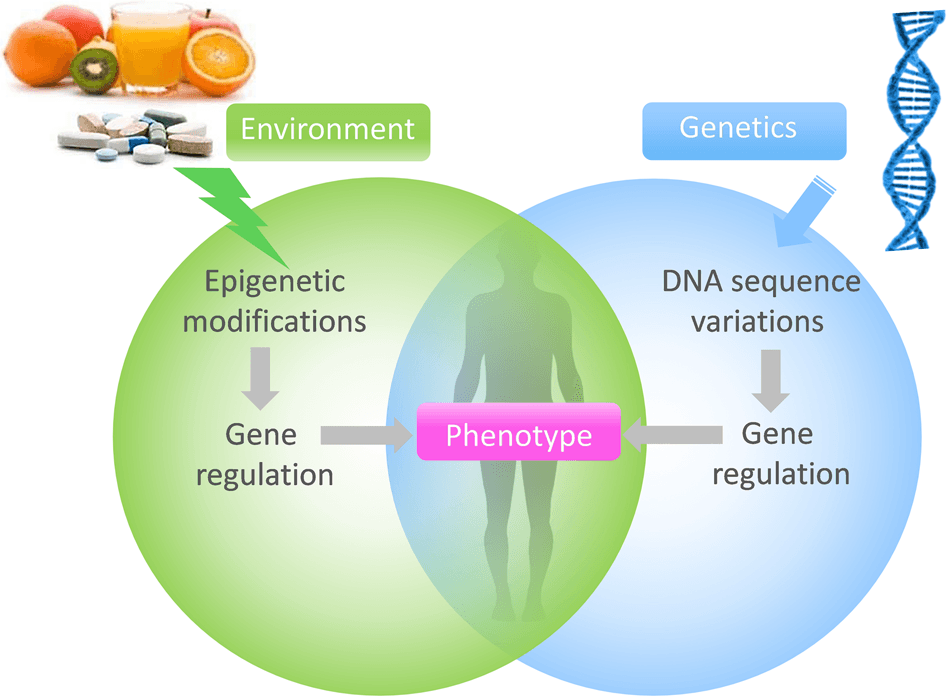
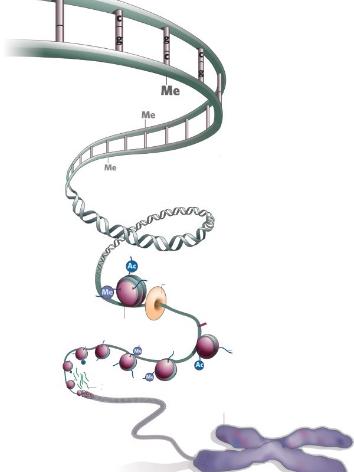
Fig.1.A Visual Representation of Epigenetic Mechanisms. (nature)
In recent years, exercise has been shown to influence human physiological systems by inducing molecular adaptations, including changes in gene expression regulated through epigenetic mechanisms. These mechanisms—such as DNA methylation, histone modifications, and non-coding RNAs—have been associated with shifts in cellular function. Bibliometric analyses of literature indexed in PubMed and Web of Science Core Collection between 2003 and 2023 indicate a steady increase in publications, rising from 13 articles in 2003 to 239 in 2022. The United States has been identified as the leading country in publication volume, with major institutional contributors including the University of California System and Harvard University. Keyword trends suggest a shift in research priorities toward topics such as insulin regulation, mortality, long non-coding RNAs, and epigenetic aging. Despite growing international collaboration, cooperation between academic institutions remains limited. These trends reflect a growing scientific focus on the epigenetic response to exercise and its relevance in biomedical research.
Recent studies in Turkey have contributed to the understanding and therapeutic application of epigenetics in cancer. Epigenetic treatment has been successfully implemented in hematologic malignancies, although its effectiveness in solid tumors remains limited. Combining epigenetic agents such as DNMT inhibitors (DNMTIs) and HDAC inhibitors (HDACIs) with conventional therapies may reduce drug resistance, lower drug doses, and improve patient quality of life. Turkish researchers have identified the TAGLN gene as a novel epigenetically silenced target in breast cancer. Using microarray profiling and validation methods, TAGLN was found to be frequently downregulated by promoter hypermethylation in breast tumors compared to normal tissues. Its hypermethylation was associated with worse relapse-free survival and could differentiate tumor from normal tissue with high sensitivity and specificity. These findings demonstrate a gene-specific epigenetic mechanism relevant for diagnosis and prognosis and indicate an integration of molecular profiling with therapeutic strategies in cancer epigenetics research in Turkey.
As the understanding of gene regulation advanced, it became evident that mechanisms existed to preserve cell identity and gene activity patterns independently of DNA sequence.These mechanisms, mediated by DNA methylation and other epigenetic modifications, explain how different cell types in multicellular organisms maintain stable phenotypes while sharing the same genome. . Classical experiments in developmental biology demonstrated that once a cell lineage was committed to a specific fate, it could retain that identity across many generations.
DNA methylation is a key epigenetic modification that plays a critical role in embryogenesis by regulating gene expression patterns necessary for development. During mammalian development, there are specific periods, such as in germ cells and preimplantation embryos, when genome-wide reprogramming of methylation patterns occurs. This reprogramming is essential for establishing developmental potential and imprinting. Additionally, the maintenance of methylation patterns through mitotic cell divisions allows differentiated cells to preserve their identity. Thus, epigenetic modifications and their dynamic regulation during cell division are fundamental for proper embryonic development and cellular differentiation.
Research on epigenetic regulation in early embryonic development in Turkey includes work from Middle East Technical University (ODTÜ). Investigations identified the chromatin-associated protein ARID4B as involved in mesodermal and endodermal differentiation through interaction with HDAC1 and modulation of histone modifications H3K27me3 and H3K27Ac. In another study, the methyltransferase SETD3 was shown to regulate endoderm differentiation by modulating Wnt signaling and altering the subcellular localization of β-catenin without affecting its total expression. These findings contribute to understanding epigenetic mechanisms in lineage commitment and pluripotency exit within the Turkish research context.
Epigenetic regulation involves heritable changes in gene expression that do not result from alterations in the DNA sequence. These changes are mediated by biochemical modifications to DNA and chromatin, influencing gene accessibility and activity. The primary mechanisms include:
Epigenetic gene regulation in humans involves multiple mechanisms, including DNA methylation, which contributes to the tissue-specific regulation of gene expression. DNA methylation occurs at CpG dinucleotides and is catalyzed by DNA methyltransferases. CpG islands, particularly within promoter regions, are common targets. Approximately 70% of gene promoters are located in CpG islands, and methylation at these sites is associated with transcriptional repression. This repression occurs via recruitment of methyl-binding proteins and chromatin-remodeling complexes, which condense chromatin and hinder transcription factor access. In somatic cells, DNA methylation contributes to cellular differentiation by maintaining stable gene expression patterns. In cancer, abnormal DNA methylation patterns lead to hypermethylation of tumor suppressor genes and hypomethylation of oncogenes, contributing to carcinogenesis. For example, the tumor suppressor gene CDKN2A is frequently silenced by promoter hypermethylation.
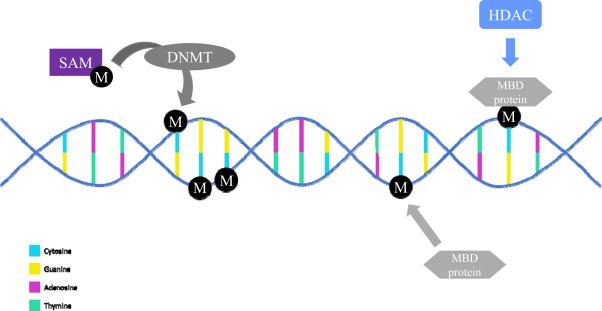
Fig.2.DNA Methylation (sciencedirect)
Histone modifications, particularly histone acetylation and methylation, are critical in regulating chromatin structure and transcriptional activity. Acetylation typically occurs on lysine residues of histone tails, especially H3K9 and H3K27, and is catalyzed by histone acetyltransferases. This modification neutralizes the positive charge on histones, weakening the interaction between histones and DNA, and facilitating chromatin relaxation. Open chromatin is more accessible to transcriptional machinery, thereby promoting gene expression. In contrast, histone methylation can either activate or repress transcription, depending on the specific site and number of methyl groups. Methylation at H3K4 is associated with gene activation, while H3K27 trimethylation (H3K27me3) correlates with gene silencing. Histone modifications work in coordination with DNA methylation to establish and preserve transcriptional states across cell divisions. In the context of tumorigenesis, disrupted histone acetylation and methylation profiles contribute to abnormal gene regulation and cellular proliferation.
Non-coding RNAs (ncRNAs) also play a regulatory role in epigenetic gene silencing. These RNAs, which include microRNAs (miRNAs), small interfering RNAs (siRNAs), and long non-coding RNAs (lncRNAs), do not encode proteins but contribute to transcriptional and post-transcriptional gene regulation. Several ncRNAs have been shown to recruit chromatin-modifying complexes that lead to heterochromatin formation and gene repression. Additionally, some ncRNAs participate in guiding DNA methylation and histone modification patterns. These molecules are involved in the regulation of developmental gene expression programs and have been implicated in pathological conditions, including cancer.
A study from Hacettepe University in Turkey analyzed genome-wide CpG methylation patterns in both inflamed and clinically uninflamed gingival tissue biopsies from 60 periodontitis patients using the Infinium MethylationEPIC BeadChip. Cell-type deconvolution of infiltrated immune cells was performed using the EpiDish algorithm, and effect sizes of differentially methylated positions (DMPs) in gingival epithelial and fibroblast cells were estimated and adjusted for confounding factors using the “intercept-method.” Significant methylation differences were found between inflamed and uninflamed oral mucosa, particularly in genes related to wound healing (ROBO2, PTP4A3), cell adhesion (LPXN), and innate immune response (CCL26, DNAJC1, BPI). Enrichment analyses suggested epigenetic changes involving vesicle trafficking gene sets. These findings indicate specific epigenetic adaptations of the oral mucosa to persistent inflammatory conditions, affecting wound repair, barrier integrity, and innate immune defense.
A distinguishing feature of epigenetic mechanisms is their ability to be stably inherited through mitotic cell divisions. This stability plays a critical role in maintaining cell identity throughout development by preserving consistent gene expression profiles within specific cell lineages. DNA methylation patterns are stably transmitted during mitotic cell divisions and are essential for the maintenance of epigenetic regulation in somatic cells. The symmetrical methylation of CpG dinucleotides on both DNA strands allows these patterns to be copied semi-conservatively during DNA replication. This process involves two types of DNA methyltransferase activities: de novo methyltransferases, which establish new methylation marks, and maintenance methyltransferases, which preserve existing methylation patterns by targeting hemimethylated CpG sites generated after replication. DNMT1 serves as the primary maintenance methyltransferase with a strong preference for hemimethylated DNA, ensuring the continuity of methylation across cell divisions. In contrast, DNMT3A and DNMT3B methylate unmethylated and hemimethylated CpG sites equally and function mainly in the establishment of new patterns. The ability of these enzymes to faithfully replicate methylation states supports the long-term stability of gene expression profiles within a given cell lineage. Alterations in these mechanisms have been observed in aging and pathological states, suggesting that disruption of methylation maintenance can contribute to disease-associated epigenetic instability.
Epigenetic mechanisms can mediate the transmission of environmental effects across generations. In Turkey, a study conducted investigated the transgenerational effects of polyethylene microplastic fragments containing benzophenone-3 (BP-3) on Daphnia magna over four generations. Only the F0 generation was directly exposed to microplastic fragments, microplastic/BP-3 fragments, and BP-3 leachate. In the F3 generation, mortality rates induced by microplastic exposure had recovered; however, somatic growth and reproduction were significantly reduced compared to controls. The reproduction of Daphnia magna exposed to BP-3 leachate also significantly decreased in the F3 generation. These results confirm transgenerational effects of microplastic fragments and BP-3 additive on Daphnia magna, with cumulative adverse effects on reproduction observed across generations for microplastic/BP-3 fragments, while an acclimation trend was noted for BP-3 leachate. No significant changes were found in global DNA methylation across four generations, indicating the need for gene-specific DNA methylation studies to identify epigenetic transgenerational inheritance.
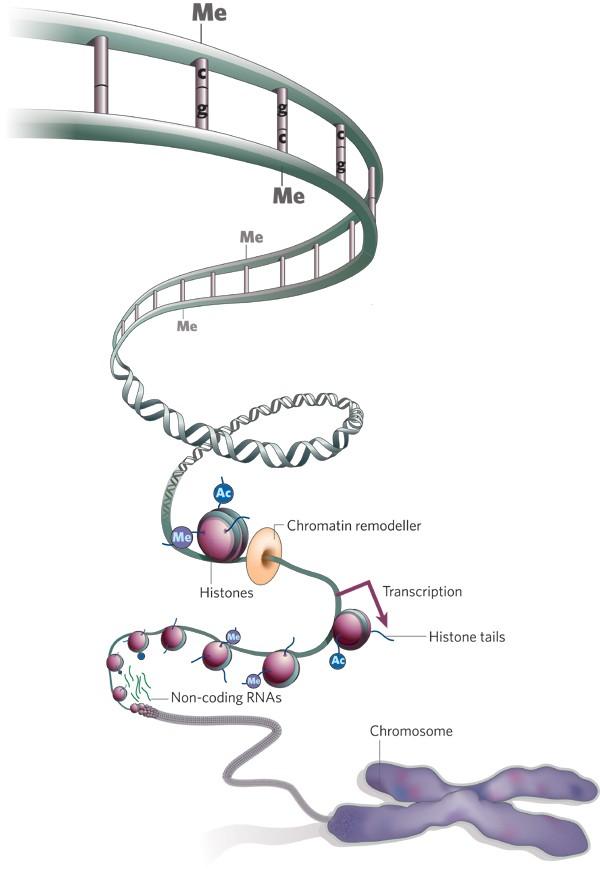
Fig.3.Human Genome Project (nature)
The study of epigenetics has expanded significantly, particularly with the rise of genome-wide technologies. Initiatives such as the Human Epigenome Project aim to systematically map DNA methylation and chromatin modification patterns across tissues. These efforts seek to understand how epigenetic information contributes to normal development and how its disruption may be involved in disease processes.
An increasing number of studies have focused on uncovering relationships between epigenetic variation and disease states, with cancer being the most extensively characterized area. The most direct link is provided by the growing list of germline mutations in genes encoding epigenetic factors involved in core epigenetic mechanisms, which are responsible for a spectrum of nervous system diseases. Additionally, associations have been identified in autoimmune and neurological disorders.
Current epigenetic and cancer research in Turkey focuses on overcoming treatment resistance and advancing personalized medicine. Koç University conducts projects on epigenetic mechanisms in chemotherapy-resistant triple-negative breast cancer and epigenetic treatments for FSHD muscular dystrophy. The Turkish Cancer Institute’s National Genome and Bioinformatics Project performs high-depth whole genome and transcriptome sequencing on bladder cancer patient samples and develops 3D organoid cultures for drug testing, stored in the TÜSEB National Biobank. These efforts contribute to personalized cancer treatment and aim to strengthen scientific collaboration, positioning Turkey as a leader in genomics and epigenetics research. Additionally, the “Onkolojide 3T Yarışması” organized by the CANSAĞLIĞI Foundation promotes the development of personalized and precise oncology treatments, including genetic and epigenetic approaches, molecular therapies, AI-supported drug development, and cancer vaccine technologies, encouraging young scientists and students to innovate in cancer therapy.
Alganatay, C., E. Balbasi, N. Tuncbag, D. Sezginmert, and N. Terzi Cizmecioglu. “SETD3 Regulates Endoderm Differentiation of Mouse Embryonic Stem Cells through Canonical Wnt Signaling Pathway.” FASEB Journal 38, no. 4 (2024): e23463. https://doi.org/10.1096/fj.202301883R.
American Association for Cancer Research Human Epigenome Task Force, European Union Network of Excellence Scientific Advisory Board. “Moving AHEAD with an International Human Epigenome Project.” Nature 454 (2008): 711–715. https://doi.org/10.1038/454711a.
Aydın, Cansu, and Rasime Kalkan. “Cancer Treatment: An Epigenetic View.” Global Medical Genetics 7, no. 1 (2020): 3–7. https://doi.org/10.1055/s-0040-1713610.
Holliday, Robin. "Epigenetics: A Historical Overview." Epigenetics 1, no. 2 (2006): 76–80. https://doi.org/10.4161/epi.1.2.2762.
Koç Üniversitesi. “KUTTAM Projeler.” Koç Üniversitesi Araştırma. Accessed July 17, 2025. https://research.ku.edu.tr/tr/kuttam/projeler/.
Lopomo, Angela, and Fabio Coppedè. “Epigenetic Signatures in the Diagnosis and Prognosis of Cancer.” In Epigenetics in Precision Medicine, edited by Sergio Della Sala, 1st ed. Amsterdam: Academic Press, 2018. https://doi.org/10.1016/B978-0-12-809552-2.00012-7.
Ming, Xuan, Bing Zhu, and Yingfeng Li. “Mitotic Inheritance of DNA Methylation: More than Just Copy and Paste.” Journal of Genetics and Genomics 48, no. 4 (2021): 233–242. https://doi.org/10.1016/j.jgg.2021.01.006.
Qureshi, Irfan A., and Mark F. Mehler. “Epigenetic Mechanisms Underlying the Pathogenesis of Neurogenetic Diseases.” Neurotherapeutics 11, no. 4 (2014): 742–756. https://doi.org/10.1007/s13311-014-0302-1.
Reik, Wolf, et al. “Epigenetic Reprogramming in Mammalian Development.” Science 293 (2001): 1089–1093. https://doi.org/10.1126/science.1063443.
Richter, G. M., J. Kruppa, H. G. Keceli, et al. “Epigenetic Adaptations of the Masticatory Mucosa to Periodontal Inflammation.” Clinical Epigenetics 13 (2021): 203. https://doi.org/10.1186/s13148-021-01190-7.
Sayar, N., G. Karahan, O. Konu, et al. “Transgelin Gene Is Frequently Downregulated by Promoter DNA Hypermethylation in Breast Cancer.” Clinical Epigenetics 7 (2015): 104. https://doi.org/10.1186/s13148-015-0138-5.
TEKNOFEST. “Onkolojide 3T Yarışması.” TEKNOFEST. Accessed July 17, 2025. https://www.teknofest.org/tr/yarismalar/onkolojide-3t-yarismasi/.
Terzi Cizmecioglu, N., J. Huang, E. G. Keskin, X. Wang, I. Esen, F. Chen, and S. H. Orkin. “ARID4B Is Critical for Mouse Embryonic Stem Cell Differentiation towards Mesoderm and Endoderm, Linking Epigenetics to Pluripotency Exit.” Journal of Biological Chemistry 295, no. 51 (2020): 17738–17751. https://doi.org/10.1074/jbc.RA120.015534.
TÜSEB. “TÜSEB, Kanser Tedavisinde Kişisel Tıp Yaklaşımıyla Yeni Bir Dönem Başlatıyor.” Türkiye Sağlık Enstitüleri Başkanlığı (TÜSEB). Accessed July 17, 2025. https://tke.tuseb.gov.tr/haberler/tuseb-kanser-tedavisinde-kisisel-tip-yaklasimiyla-yeni-bir-donem-baslatiyor-20240909.
Vienna BioCenter. "Key Discoveries in Epigenetics." Vienna BioCenter. Accessed July 13, 2025. https://www.viennabiocenter.org/research/key-discoveries/epigenetics/.
Wu, Huijuan, Yue Hu, Cai Jiang, and Cong Chen. “Global Scientific Trends in Research of Epigenetic Response to Exercise: A Bibliometric Analysis.” Heliyon 10, no. 2 (2024): e25644. https://doi.org/10.1016/j.heliyon.2024.e25644.

EPİGENETİCS
Definition(s) | Heritable changes in gene expression without alteration of the DNA sequence | ||||||||
|---|---|---|---|---|---|---|---|---|---|
Mechanisms | DNA methylation, histone modifications, chromatin remodeling | ||||||||
Applications | Cell differentiation, disease biomarkers, therapy | ||||||||
Henüz Tartışma Girilmemiştir
"EPİGENETİCS" maddesi için tartışma başlatın
Development of Epigenetic Theory
Mechanisms of Epigenetic Regulation
DNA Methylation
Histone Modifications
Non-Coding RNA-Mediated Gene Silencing
Inheritance of Epigenetic States
Current Perspectives
Bu madde yapay zeka desteği ile üretilmiştir.