
KURE Kids Header Line
badge icon

Bu içerik çocuklar için Türkçe olarak yazılmış olup yapay zeka ile otomatik olarak İngilizceye çevrilmiştir.

Türbe of Âşık Paşa

Son Güncellenme: 01.12.2025

Aşık Paşa was born in 1272 in Arapsun (present-day Gülşehir), Nevşehir, and died in 1332 in Kırşehir. His real name was Ali; Aşık Paşa was both a poet and a mystic (someone engaged in Sufism). The title “Paşa” added to his name indicates that he was the firstborn son of his father.

In his works, Aşık Paşa used pure Turkish to write in a language accessible to the common people. His most important work is the extensive Garibname. He also authored other works including Fakrname, Vasf-ı Hal, Hikâye, Kimya Risalesi, and Risâle fî Beyâni’s-Semâ. He established a zaviye (a Sufi training center) in Kırşehir, where he taught religious and moral knowledge to people.
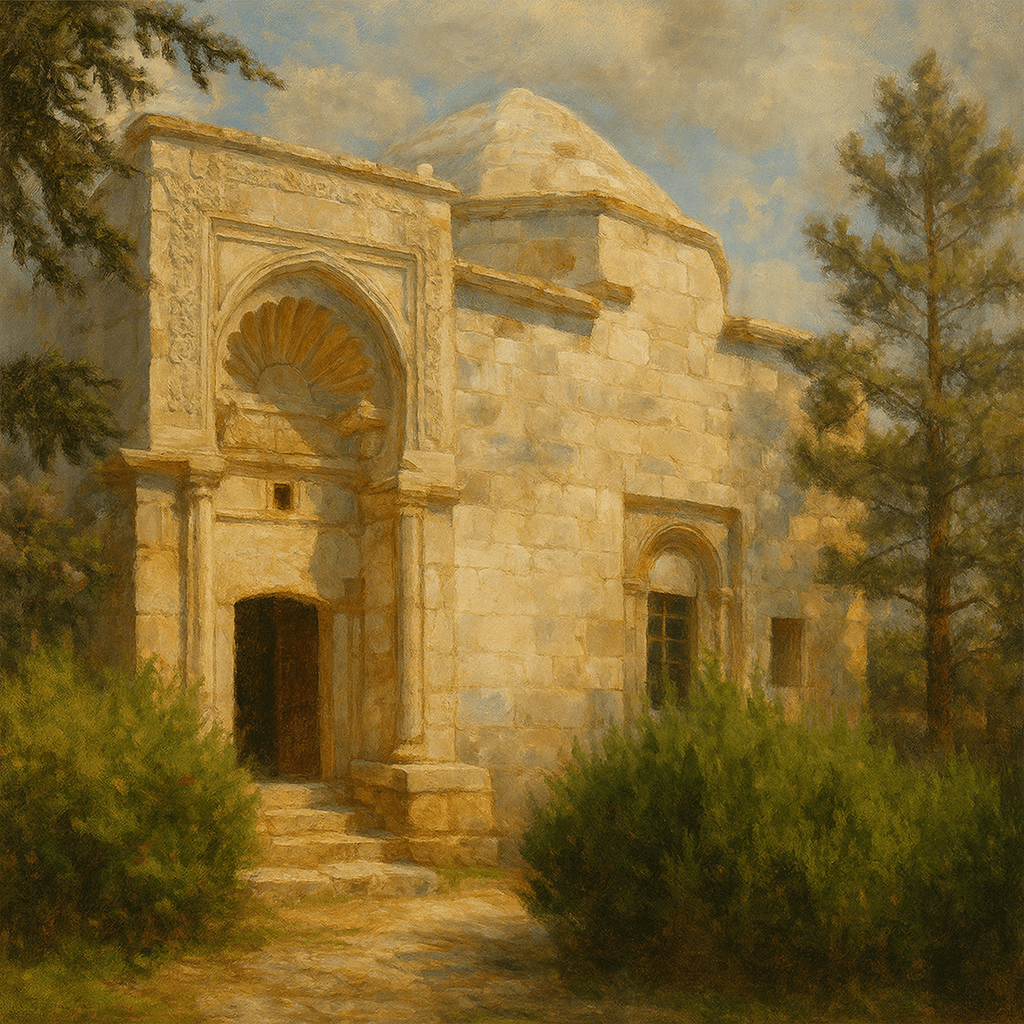

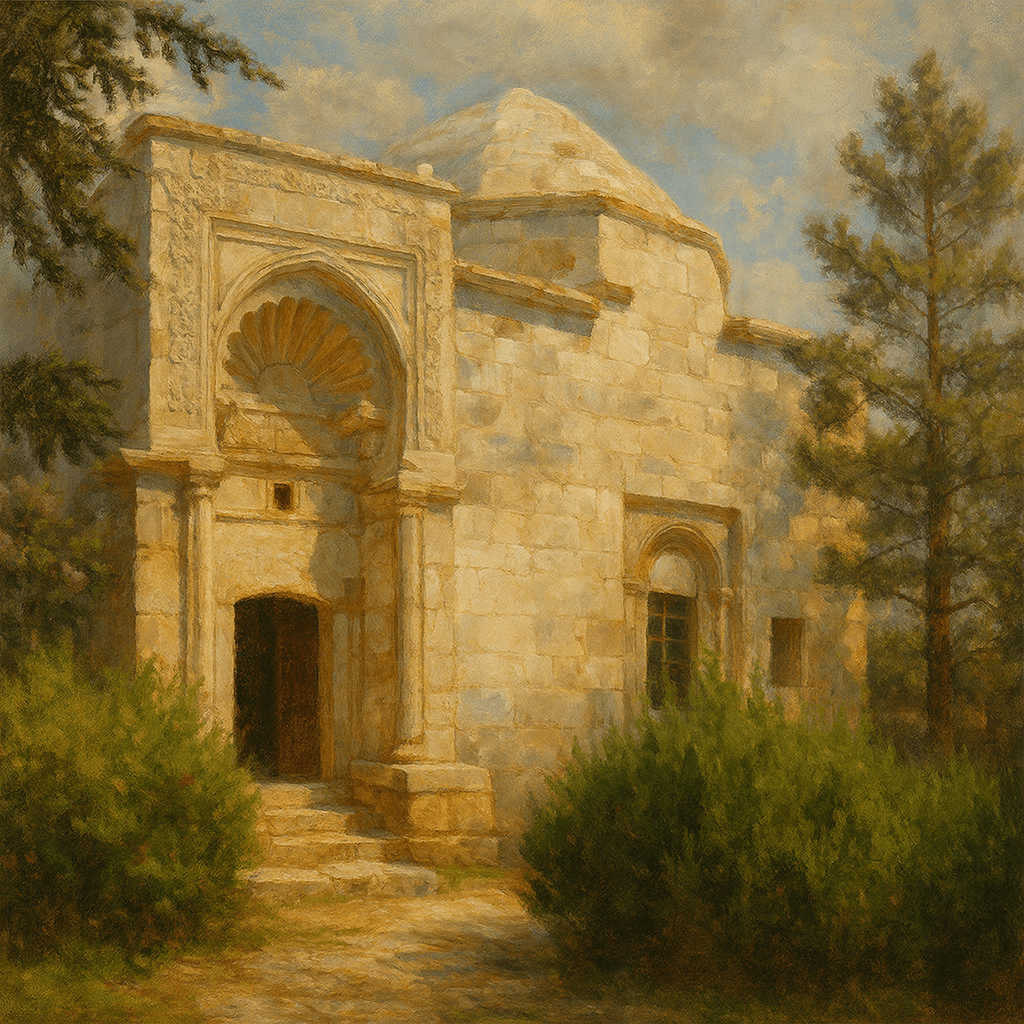
(Generated by Artificial Intelligence)

Where is the Tomb of Aşık Paşa?

The Tomb of Aşık Paşa is located within a large cemetery on a hill along the Ankara-Kayseri road, in the Aşık Paşa Neighborhood of Kırşehir. The tomb was built on a high hill in the northeastern part of the city after his death, in accordance with his wishes.

Architectural Features of the Tomb

The tomb is constructed of marble and stands out for its distinctive architecture.

  • The entrance section is rectangular, while the main chamber containing the sarcophagus is square in plan.
  • The dome above the tomb resembles a Kyrgyz yurt, leading scholars to speculate that its architect may have been a Turk from Central Asia.
  • The crowned portal is one of the fine examples of Anatolian Seljuk art. In particular, the shell-like decorative motifs are highly striking.
  • The tomb is asymmetrical and features a unique and original structure, which grants it a special place in Anatolian Turkish-Islamic art.

Around the tomb are graves belonging to Aşık Paşa’s family. Today, the tomb serves both as a historical monument and as a spiritual site visited by the public.
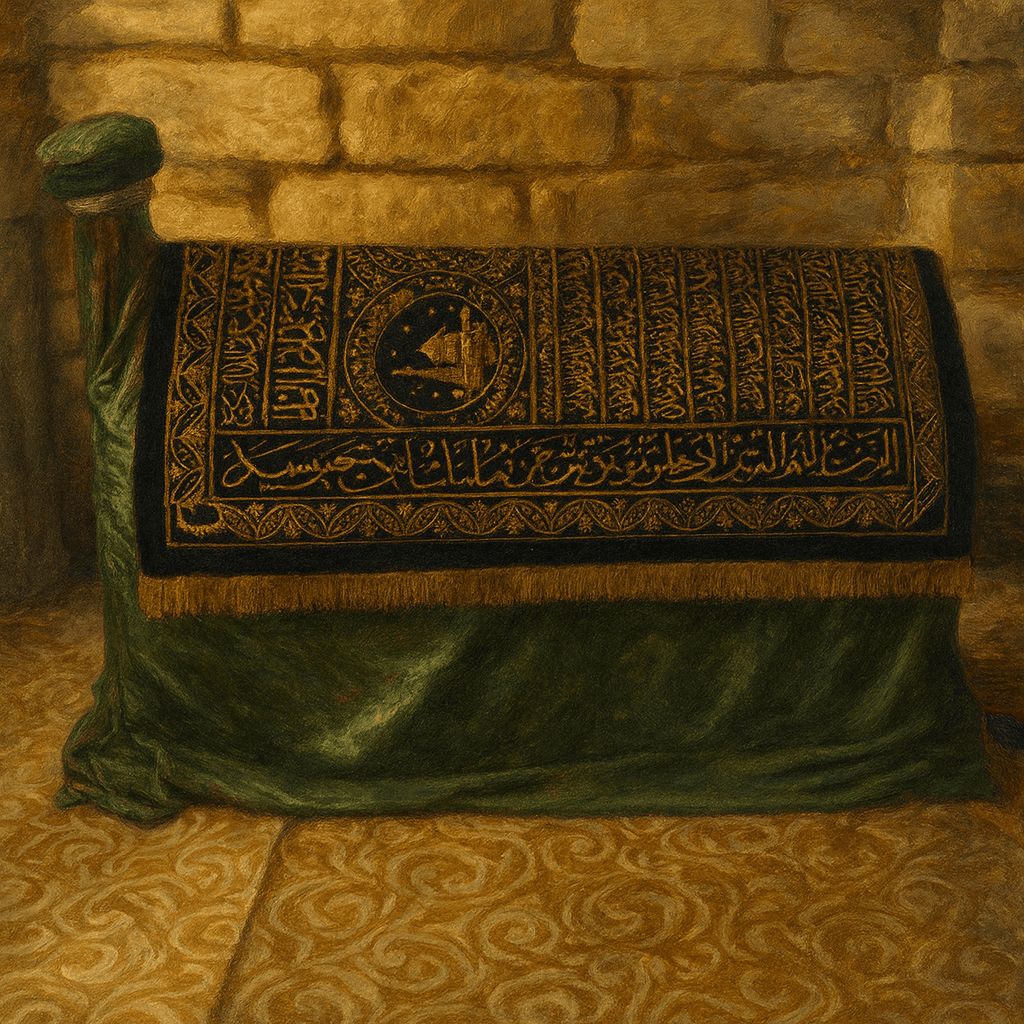

(Generated by Artificial Intelligence)


Bunlara Göz Atmayı Unutma!
Bilim ve Teknoloji
cat img
Doğa Bilimleri
cat img
Sanat ve Edebiyat
cat img
image
En Çok Okunan
Yanmayan El Deneyi
arrow
image
En Yeni Eklenen
Robotlar Nasıl Karar Verir?
arrow
ilham-notu-bg
MERAKLI ÇOCUKLARA İLHAM NOTU!

You can also try writing in your own language, like Aşık Paşa. Write a short piece expressing your own thoughts, dreams, or observations of your surroundings. Perhaps your writings will also become a valuable work for future generations!

KURE Kids Kure Card Pin Icon
KURE Kids Kure Card Book Icon
ChatGPT Image 25 Ağu 2025 18_38_22.png

Aşık Paşa Türbesi

Works

Garibname, Fakrname, Vasf-ı Hal, Hikâye, Kimya Risalesi, Risâle fî Beyâni’s-Semâ

Tomb

Kırşehir, Aşık Paşa Mahallesi, built in 1333

Characteristic

Seljuk-era architecture made of marble, its dome resembling a Kyrgyz yurt

Birth

1272, Arapsun (Nevşehir/Gülşehir)

Death

1332, Kırşehir

Bunu Kim Yazdı?
Kids Writing
YazarHikmet Can Urhan1 Aralık 2025
bottom-bg-effect-bottom
bottom-bg-effect-top

Aşık Paşa is a great Sufi and poet who emphasized the importance of the Turkish language. His tomb in Kırşehir is not merely a burial site but also an important structure that bears traces of the culture and art transferred from Central Asia to Anatolia. Therefore, the tomb holds significant value both in literary and architectural terms.

Kaynakça

Culture Inventory. "Âşık Paşa Türbesi." Accessed August 25, 2025. https://kulturenvanteri.com/yer/asik-pasa-turbesi/#17.1/39.1514/34.1695

Küre Ansiklopedi. “Âşık Paşa Türbesi.” Accessed August 25, 2025. https://kureansiklopedi.com/tr/detay/asik-pasa-turbesi

T.C. Kültür ve Turizm Bakanlığı. “Âşık Paşa Türbesi.” Kültür Portalı. Accessed August 25, 2025. https://www.kulturportali.gov.tr/turkiye/kirsehir/gezilecekyer/asikpasa-turbes

ilham-notu-bg
ilham-notu-bg
ilham-notu-bg
HEYY!
Bunları Biliyor
Muydun?
Lamb
Lamb