Bu içerik Türkçe olarak yazılmış olup yapay zeka ile otomatik olarak İngilizceye çevrilmiştir.
+2 Daha
Location | Anzac Cove, Arıburnu, Eceabat, Çanakkale | ||||||||
|---|---|---|---|---|---|---|---|---|---|
Position | Immediately next to the Arıburnu Cemetery, at the end of the landing beach | ||||||||
Related Units | Anzac Corps (Australian and New Zealand Corps) | ||||||||
Extraction Date | 25 April 1915 | ||||||||
Author of the Message | Mustafa Kemal Atatürk | ||||||||
Year the Message Was Written | 1934 | ||||||||
Placement of the Inscription | 25 April 1985 | ||||||||
Language of the Inscription | English | ||||||||
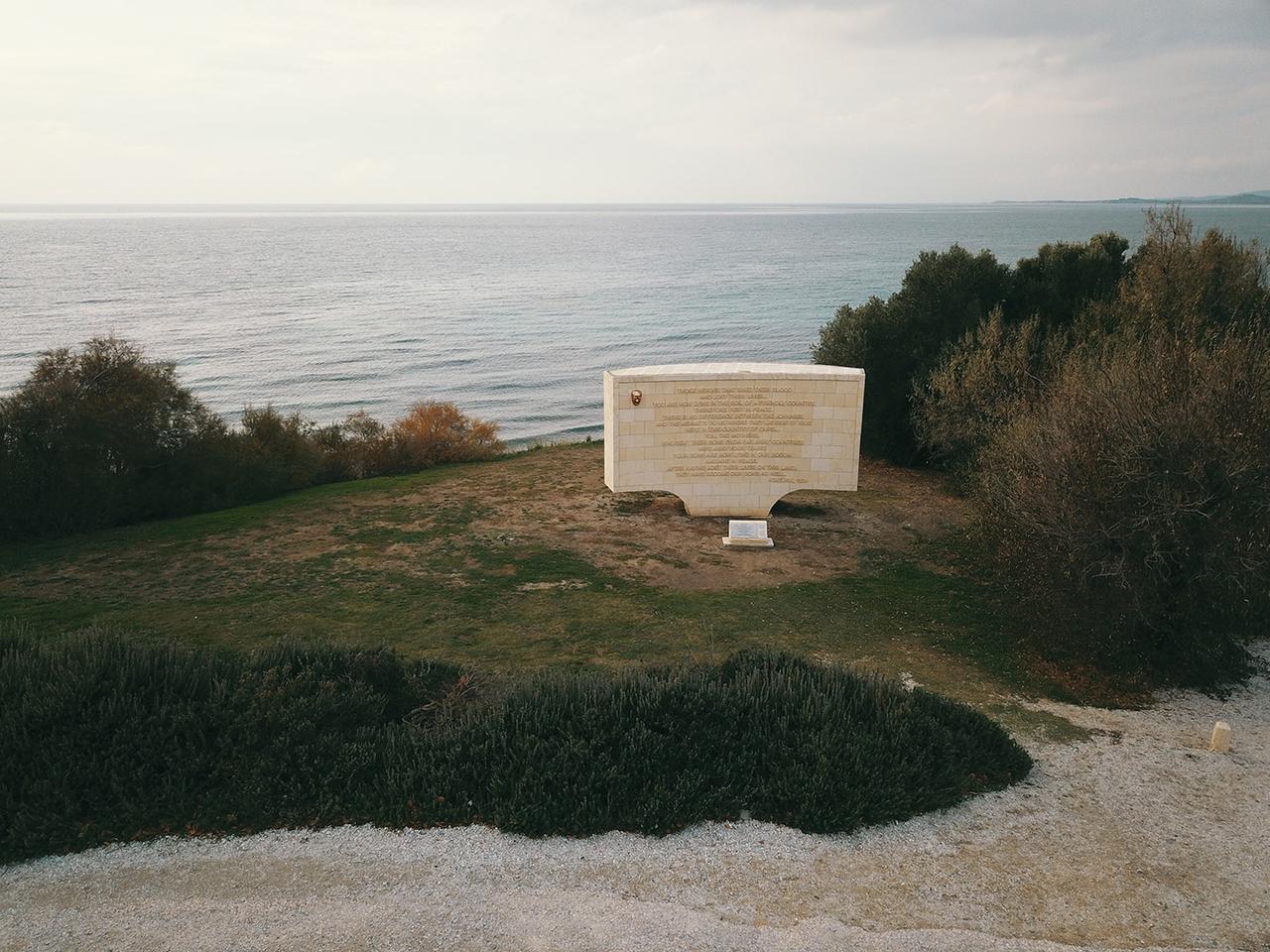
Anzac Cove Tablet is a monument located in the region, bearing the historic message written by Mustafa Kemal Atatürk in 1934 in memory of the military units that landed on the Gallipoli Peninsula during the Çanakkale Wars.
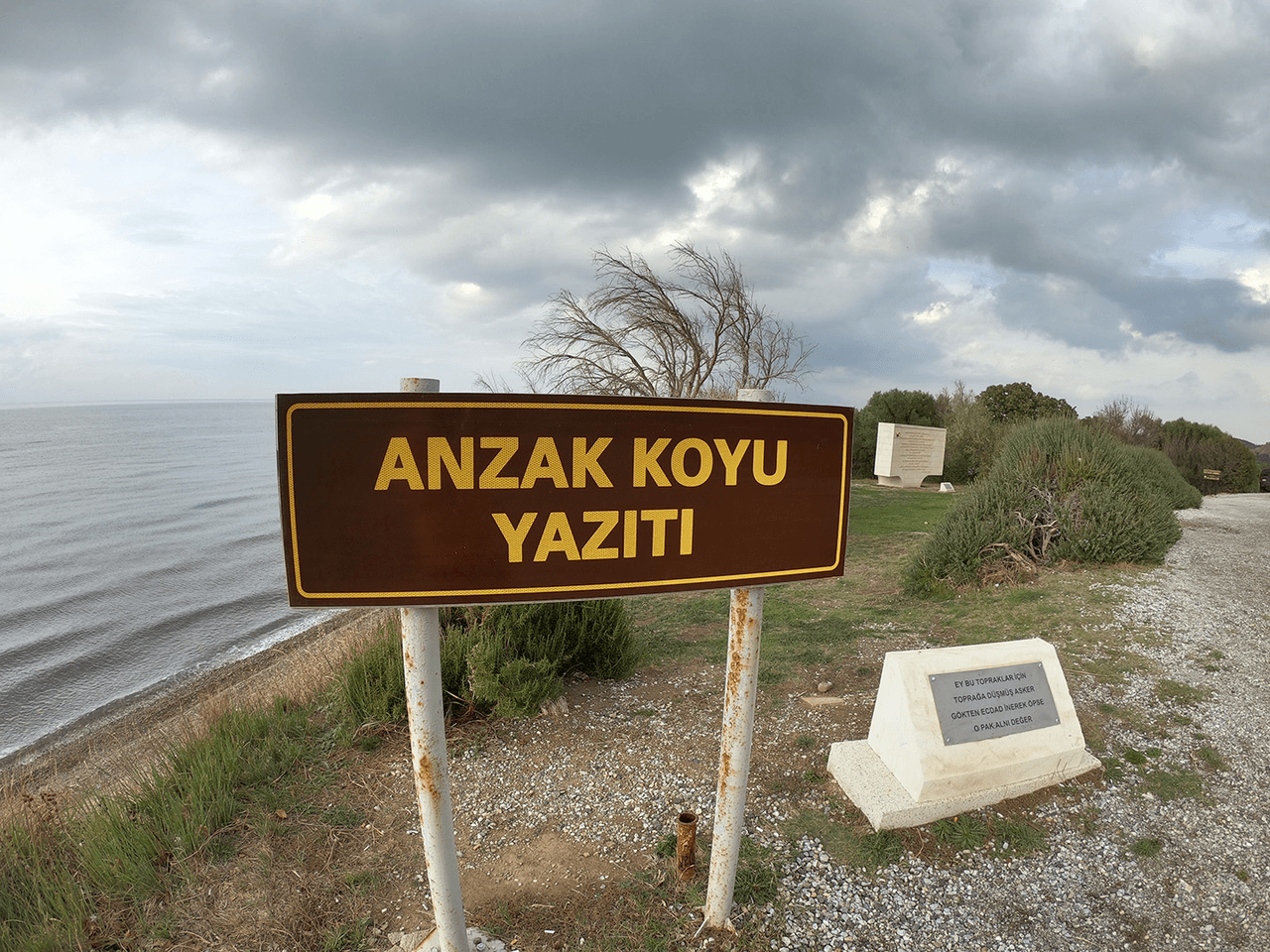
Anzak Koyu Yazıtı (Gelibolu Tarihi Alan Başkanlığı)
The Anzac Cove Tablet is situated within the boundaries of the Gallipoli Historical Area, at the end of the coastline where the Allied forces, specifically the ANZAC (Australian and New Zealand Army Corps) units, landed on 25 April. The tablet is positioned immediately next to the Arıburnu Cemetery in geographical coordinates. 【1】
This monument is directly accessible to visitors and is physically integrated with the historic landing beach.
In 1934, Mustafa Kemal Atatürk composed a historic message honoring the foreign soldiers who lost their lives during the Çanakkale Wars and landed at Anzac Cove. This message was made public through the then Minister of Interior.
Years after the message was written, on 25 April 1985, the Turkish Government placed it permanently on the shore as an inscribed monument in English. The tablet aims to solidify the bonds of friendship forged after the war.【2】
The original Turkish text of the historic message, renowned at the international level, is as follows:
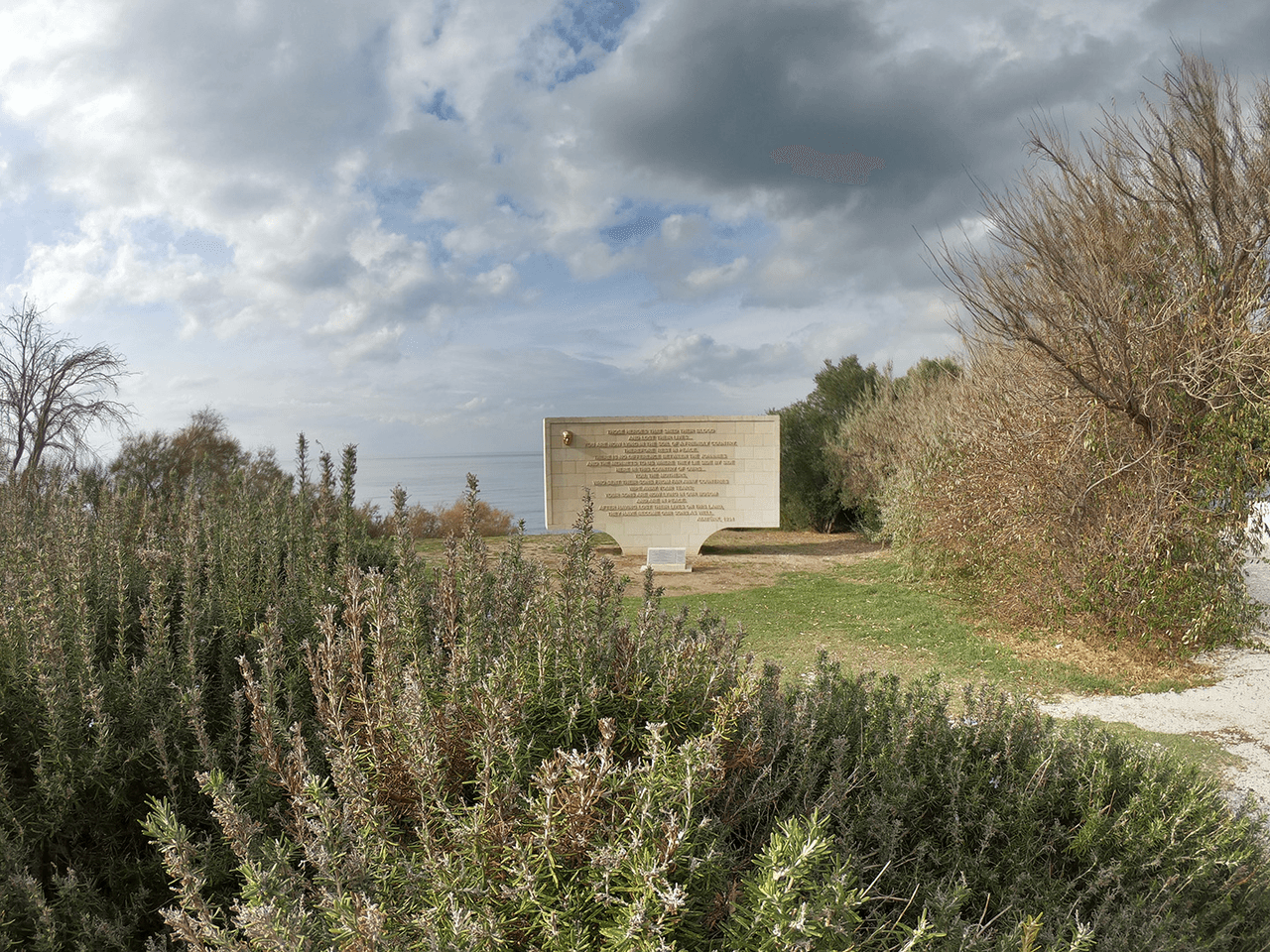
Anzak Koyu Kitabesi (Gelibolu Tarihi Alan Başkanlığı)
"Heroes who shed their blood and lost their lives! You are now lying in the soil of a friendly country. Therefore rest in peace. There is no difference between the Johnnies and the Mehmets to us where they lie side by side here in this country of ours. You, the mothers, who sent their sons from faraway countries, wipe away your tears; your sons are now lying in our bosom and are at peace. After having lost their lives on this land, they have become our sons as well."
The English translation of these words is permanently displayed on the tablet at Anzac Cove to reach foreign visitors.【3】
Over time, the monument has deteriorated due to environmental factors and natural erosion, resulting in surface flaking and creating potential safety hazards for visitors. In response to this degradation, the Gallipoli Historical Area Directorate of the Çanakkale Wars launched a comprehensive restoration and maintenance project covering all 15 historic tablets in the region requiring conservation.【4】
Gelibolu Tarihi Area Presidency. "Anzak Koyu Inscription." Accessed July 17, 2026.https://canakkaletarihialan.gov.tr/tr/ziyaret/sehitlikveanitlar/anzak-koyu-kitabesi
Milliyet. "Atatürk'ün Anzaklar İçin Söylediği Sözlerin Bulunduğu Kitabe Yenilendi." Accessed July 17, 2026.https://www.milliyet.com.tr/yerel-haberler/canakkale/ataturkun-anzaklar-icin-soyledigi-sozlerin-bulundugu-kitabe-yenilendi-12421630
[1]
Milliyet. "Atatürk'ün Anzaklar İçin Söylediği Sözlerin Bulunduğu Kitabe Yenilendi." Accessed July 17, 2026.
[2]
Milliyet. "Atatürk'ün Anzaklar İçin Söylediği Sözlerin Bulunduğu Kitabe Yenilendi."
[3]
Gelibolu Tarihi Alan Başkanlığı. "Anzak Koyu Kitabesi." Erişim Tarihi 17 Temmuz 2026. https://canakkaletarihialan.gov.tr/tr/ziyaret/sehitlikveanitlar/anzak-koyu-kitabesi
[4]
Milliyet. "Atatürk'ün Anzaklar İçin Söylediği Sözlerin Bulunduğu Kitabe Yenilendi."

Location | Anzac Cove, Arıburnu, Eceabat, Çanakkale | ||||||||
|---|---|---|---|---|---|---|---|---|---|
Position | Immediately next to the Arıburnu Cemetery, at the end of the landing beach | ||||||||
Related Units | Anzac Corps (Australian and New Zealand Corps) | ||||||||
Extraction Date | 25 April 1915 | ||||||||
Author of the Message | Mustafa Kemal Atatürk | ||||||||
Year the Message Was Written | 1934 | ||||||||
Placement of the Inscription | 25 April 1985 | ||||||||
Language of the Inscription | English | ||||||||
Henüz Tartışma Girilmemiştir
"Anzac Cove Inscription" maddesi için tartışma başlatın
Geographical Location and Placement
Historical Development and Monumentalization
Text and Content of the Tablet
Restoration and Conservation Efforts