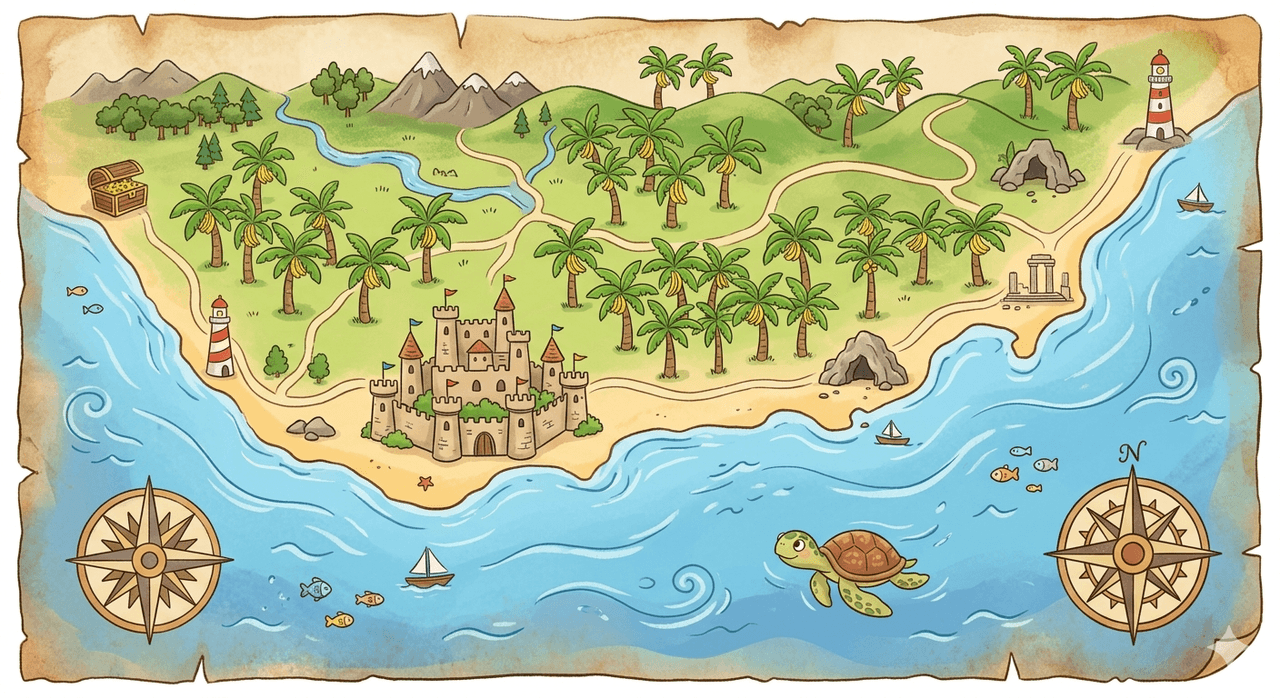





Anamur (District)
Have you ever traveled to the southernmost tip of Türkiye and felt a warm breeze on your face as you gazed toward the deep blue Mediterranean?
Anamur: The Windy Cape at the Southernmost Point of Anatolia
Located at the westernmost edge of Mersin Province, Anamur is a coastal town that marks the southernmost point of Anatolia and has a history stretching back to antiquity. Its ancient name, "Anemurium," means "windy cape" in Latin.
A Landscape Where Mountains Meet the Sea
Anamur is built on rugged terrain where the Central Taurus Mountains descend steeply into the Mediterranean. To the north of the district rise mountains such as Alamoz, Kızıldağ, and Naldöken, reaching elevations of up to 1,500 meters. Over 60 percent of the land is covered by dense forests, offering numerous opportunities for nature enthusiasts to explore.
Two major rivers bring life to the district: Sultansuyu and Dragon (Anamur) Çayı. Additionally, the region’s unique microclimate enables the cultivation of the Anamur banana, one of the world’s most famous fruits.

Anamur Banana (generated by artificial intelligence)
Castles and Ancient Cities Along the Trail of History
Anamur’s history bears traces of many great civilizations, from the Phoenicians and Hittites to the Romans and Seljuks. One of its most magnificent structures, Mamure Kalesi, spreads over an area of 23,500 square meters right along the shoreline. With its 36 towers and surrounding moat filled with seawater, this fortress is among the best-preserved medieval castles in Anatolia.
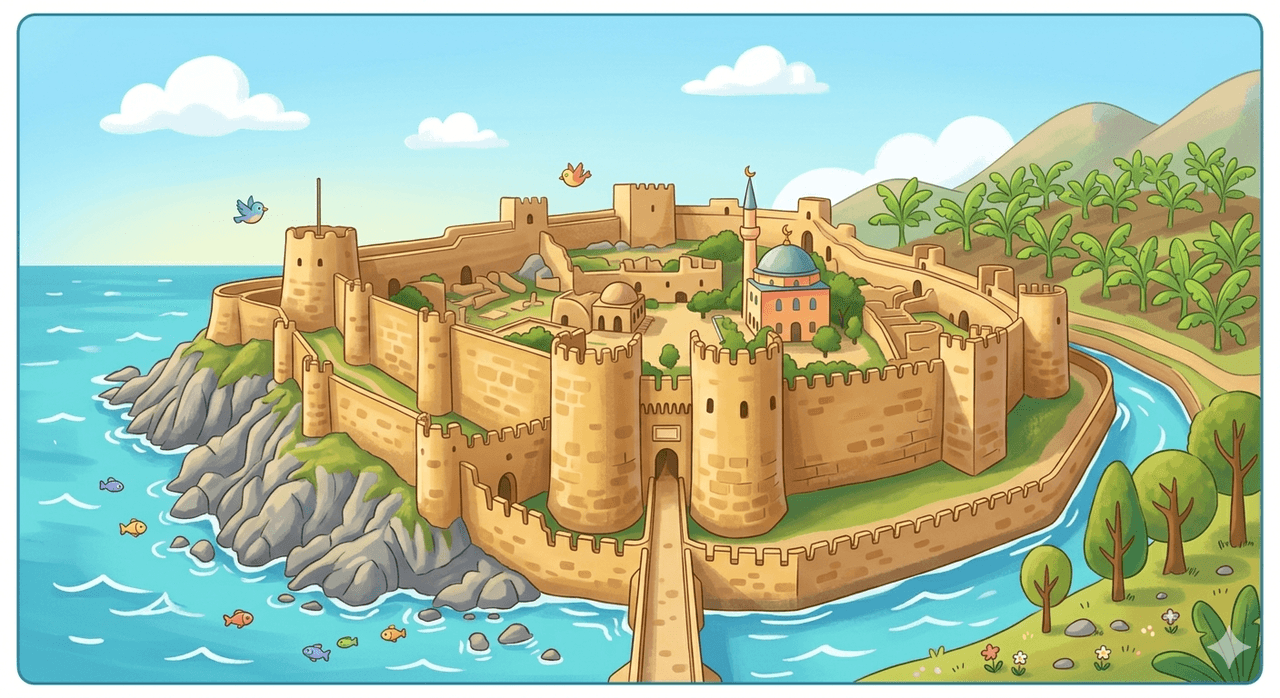
Mamure Kalesi (generated by artificial intelligence)
A few kilometers west of the castle lies the ancient city of Eski Anamur (Anemurium). Here, remains of a theater, concert hall (odeon), baths, and exceptionally well-preserved burial grounds (necropolis) offer insight into how people entertained themselves and lived in antiquity.【1】
Mysteries Beneath the Ground and in the Sea
Anamur is as remarkable for its underground world as it is for its surface. The Çukurpınar Cave, according to research, is considered one of the deepest caves in the world. Another significant cave, Köşekbükü Cave, is known for its humid air, which is believed to benefit asthma patients.
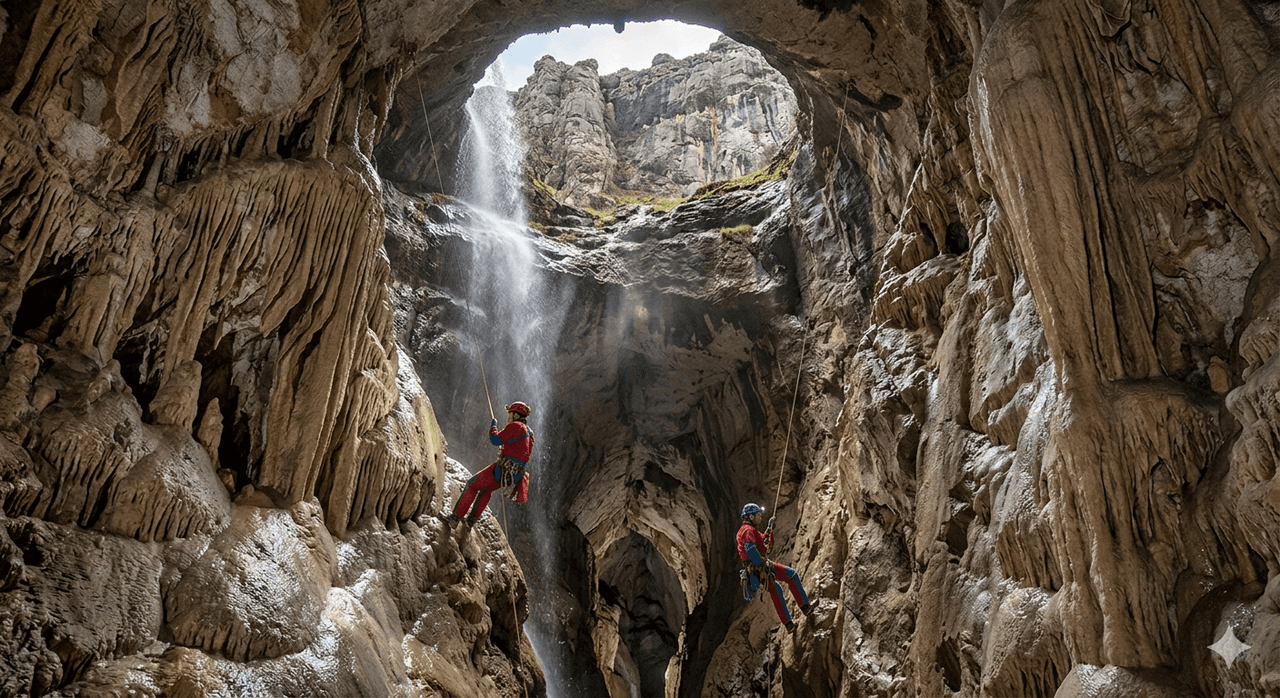
Çukurpınar Cave (generated by artificial intelligence)
Along the coastline, nature lovers will find a haven. Anamur’s beaches serve as nesting grounds for thousands of baby Caretta Caretta sea turtles each year. Additionally, the rocky shores of the region are home to the Mediterranean Monk Seals, among the rarest marine mammals on Earth.
A Journey Through Time
The key milestones in Anamur’s journey from antiquity to the present are as follows:
- Ancient Era: Founded as a colony by the Phoenicians and later became an important trading center during Roman times.
- 4th Century AD: Mamure Kalesi was constructed by the Romans.
- 1221–1228: Sultan Alaaddin Keykubat of the Seljuks conquered the region and the fortress, bringing it under Turkish rule.
- 1471: Incorporated into Ottoman territory by Gedik Ahmet Pasha, commander of Fatih Sultan Mehmet.
- 1869: Anamur was officially established as a district within the Ottoman administrative structure.
- 1911: The famous lighthouse, still operational today, was built by the French.
Citations
[1]
"Anamur," Government of Mersin, Türkiye, accessed 13 June 2026,https://www.mersin.gov.tr/anamur.