

Başkale (District)
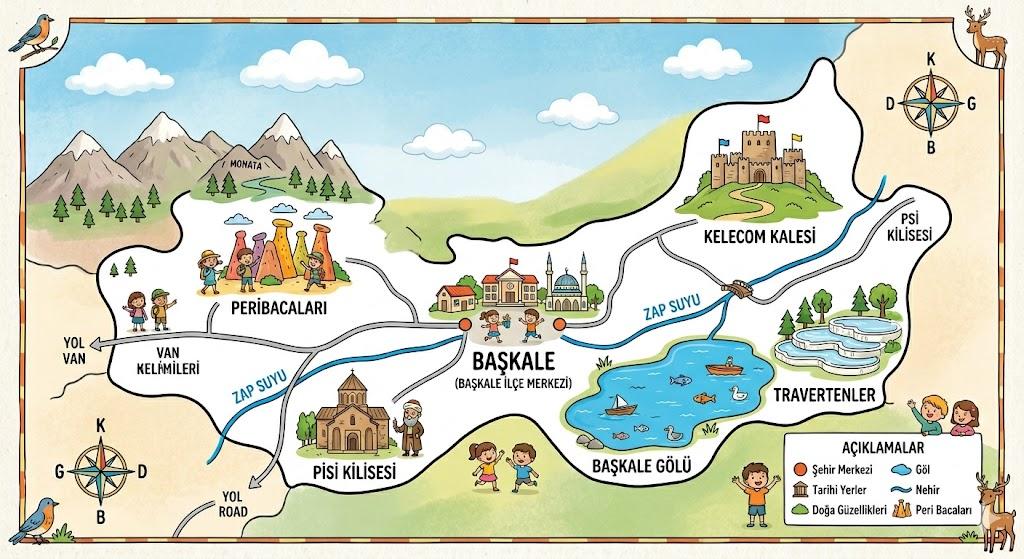
Van district of Başkale lies at an elevation of exactly 2,460 metres above sea level. Surrounded by high mountains, this district is a hidden treasure awaiting discovery, both for its history and its natural beauty.
Where is Başkale?
Başkale is located in the Eastern Anatolia Region, just 20 kilometres from the border with Iran. To reach the city centre of Van, you must travel approximately 112 kilometres. The famous Zap River flows through the district’s territory, with its upper reaches lying within Başkale’s boundaries. To the north lies Özalp and to the south lies Hakkari province.
How Do People Live Here?
Due to the harsh and cold climate in Başkale, growing fruits and vegetables is difficult. As a result, most residents rely primarily on livestock farming for their livelihood. Thousands of sheep, goats and cattle are raised in the district. Farmers plant crops that are most resistant to cold, such as wheat, barley and potatoes. Additionally, due to its proximity to the Iranian border, cross-border trade is an important source of income for the local population.
Natural Wonders to See
Başkale offers remarkable natural surprises:
- Vanadokya (Fairy Chimneys): Located in the village of Yavuzlar, this site closely resembles the fairy chimneys of Cappadocia. Formed by the erosion of rock formations by rain and wind, these structures are filled with massive tunnels and caves.
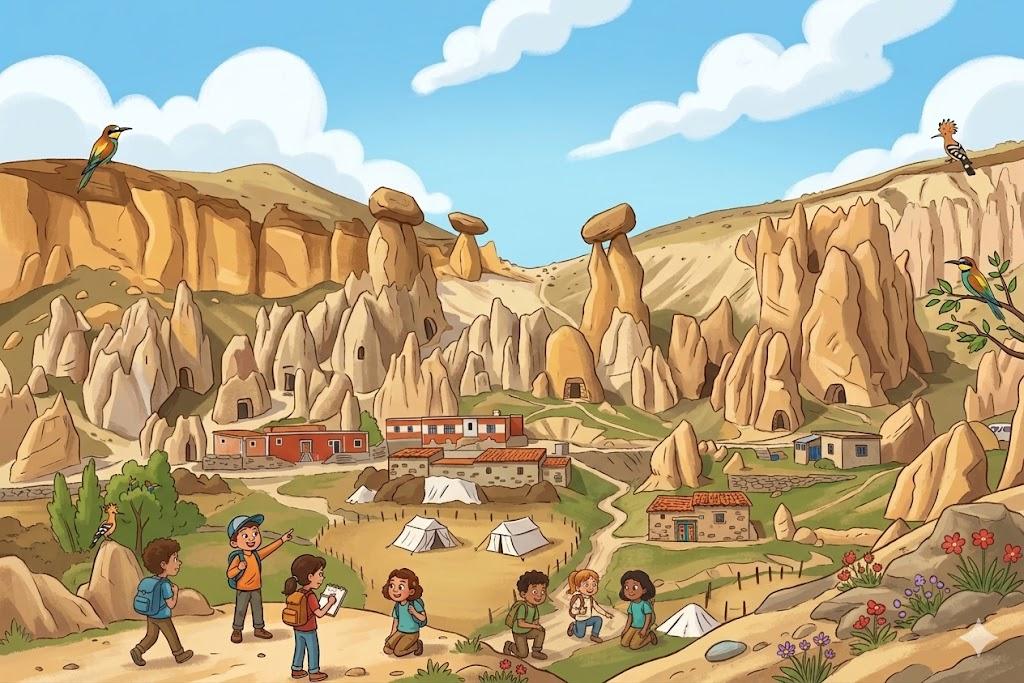
Vanadokya (generated by artificial intelligence)
- Başkale Travertines: The white stone formations in the Dereiçi neighbourhood resemble the travertines of Pamukkale in Denizli. These natural formations are an ongoing geological heritage still shaping today.
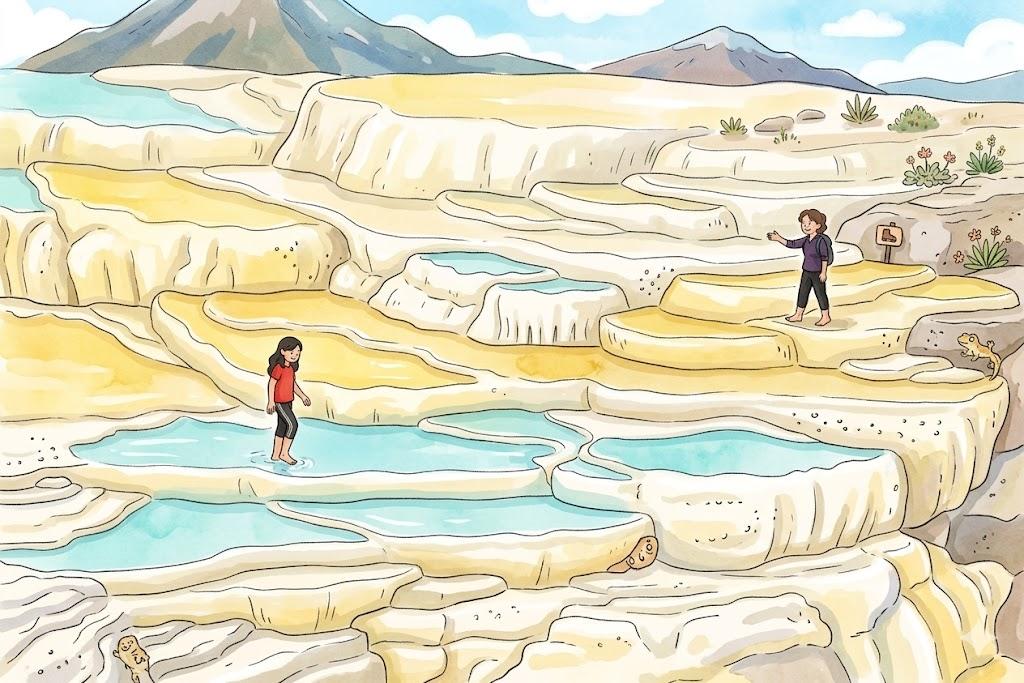
Başkale Travertines (generated by artificial intelligence)
- Therapeutic Springs: Some of the hot spring sources in the district are known to benefit certain skin conditions.
Journey Through Time
In ancient times, Başkale was known as Adamma during the Urartian period. It later served as a territory for many great empires including the Romans, Byzantines and Sassanids. It was fully incorporated into Ottoman lands in the 16th century during the reign of Suleiman the Magnificent. Previously known as Elbak, the town adopted the name Başkale during the Republican era.