




Boat Fast
Tekne orucu is a traditional practice rooted in Anatolia’s deep cultural heritage, designed to instill the habit of fasting in children and nurture an Islamic identity. It is based on the principle of having children fast only for a portion of the day rather than the full day, particularly before they reach puberty.
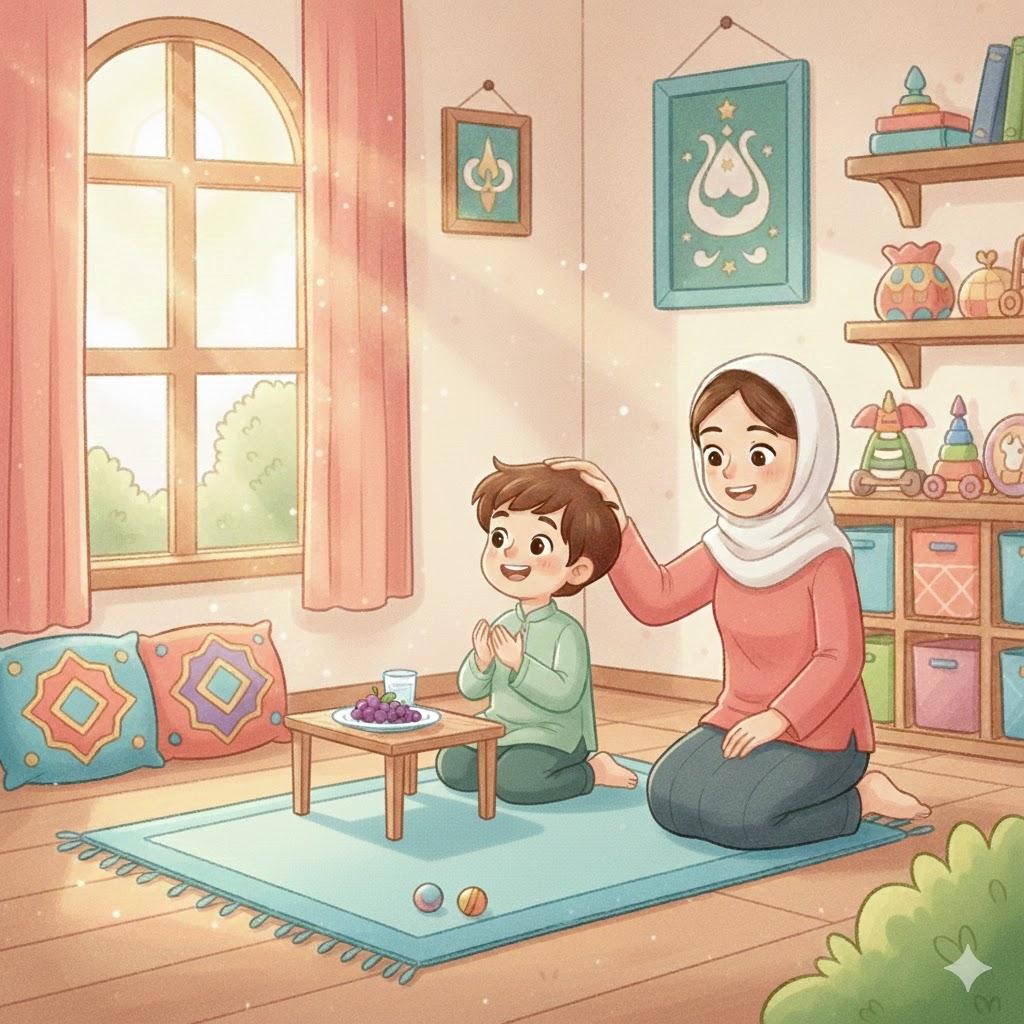
Generated by Artificial Intelligence.
Origin and Name Story
This tradition is also known as “tenkiye orucu,” derived from the Arabic word tenkiye, meaning “to identify” or “to imprint.” Over time, linguistic evolution linked the term to the large wooden tubs used in Anatolian kitchens to knead bread dough, leading to the name tekne orucu. In past times, children who struggled during the fast would secretly sneak food by hiding behind these tubs and then continue their fast, a practice that influenced the naming of the tradition.

Generated by Artificial Intelligence.
Method of Practice
Although tekne orucu is not a religious obligation (farz), it is supported by scholars as a pedagogical method. The practice typically follows this structure:
- Time Frame: Children join their elders for the pre-dawn meal (sahur) and make the intention to fast. The fast usually lasts from morning until midday (12:00–13:00), but may be extended until mid-afternoon depending on the child’s age and endurance.
- Breaking the Fast: At midday, children break their fast with prayers.
- Encouragement and Motivation: Children are encouraged to view the experience as enjoyable through rewards, family activities, and inclusion in iftar meals.

Generated by Artificial Intelligence.
Purpose and Benefits
The tekne orucu tradition aims to provide multifaceted contributions to children’s development:
- Spiritual Preparation: It helps children gradually adapt to the spiritual atmosphere of Ramadan and the act of fasting.
- Character Development: It lays the foundation for virtues such as patience, willpower, and self-discipline.
Social Belonging: Shared sahur and iftar meals with family elders foster a sense of social responsibility and belonging in children.

Generated by Artificial Intelligence.
Today, this tradition continues to be practiced across various regions of Anatolia through events organized by local muftiates and educational institutions.
What Is Tekne Orucu and How Is It Observed? - Dikkat Balonu (TRT Diyanet Çocuk)