





Çukurca (District)
Located at the southernmost tip of Türkiye, bordering Iraq, Çukurca is a very ancient and historic district. This settlement, surrounded by high mountains, boasts a unique natural landscape shaped by the Zap River that flows through it. Are you ready to explore this special place where history and nature meet?
From the Depths of History to the Present
It is known that life in Çukurca dates back thousands of years to the Urartian civilization. Throughout history, it has served as a home to many great empires including the Abbasids, Seljuks, and Ottomans. During the Abbasid period, this small settlement was governed by special religious and political leaders known as “mir”.

Visual representing Çukurca (generated by artificial intelligence)
Formerly known as “Çal”, Çukurca endured difficult times during the First World War but was incorporated into Turkish territory through the Ankara Agreement signed in 1926. It officially gained district status in 1953.
A Journey Through Time
Approximately 100 years ago, in 1926, the agreement established Çukurca as part of the Republic of Türkiye.
Historic Structures to See
One of the district’s most striking features is its historic stone houses, constructed from cut stone and built into the slope of the fortress, sometimes reaching up to four stories. Also awaiting visitors is the Emir Şaban Medresesi, a fine example of 16th-century Ottoman architecture.
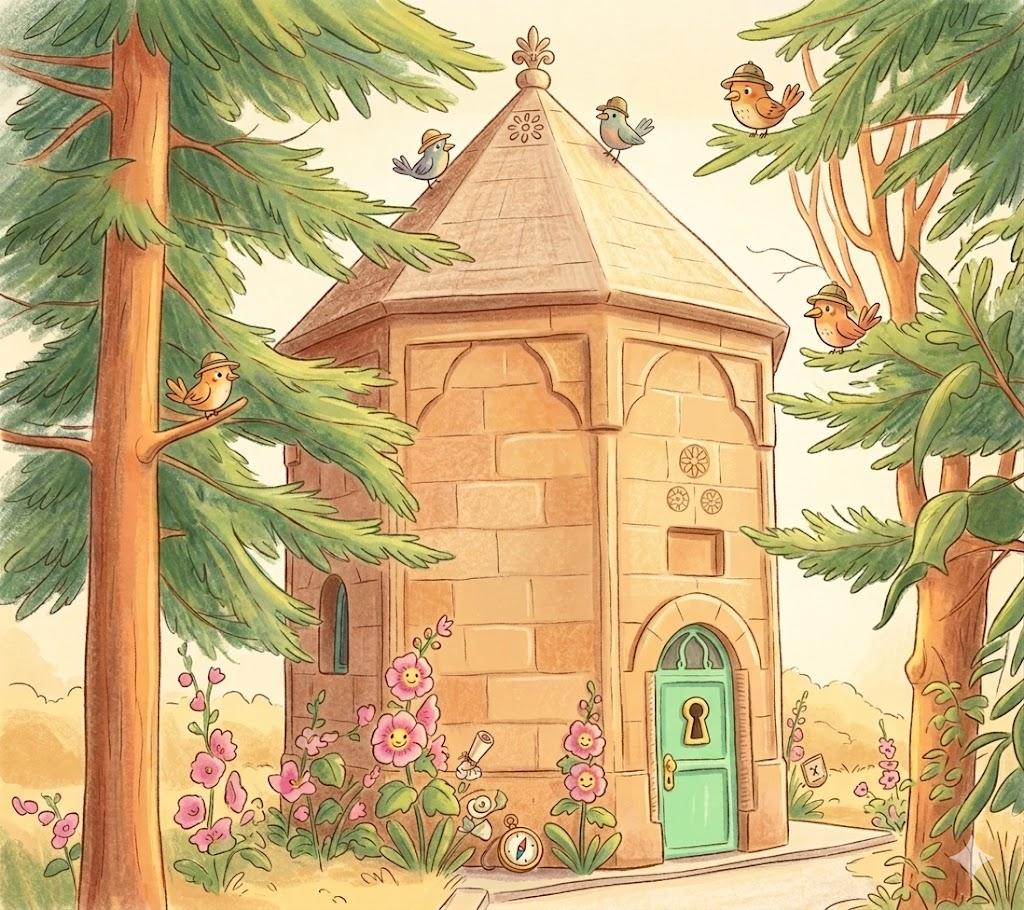
Emir Şaban Medresesi (generated by artificial intelligence)
Within Çukurca Castle, four massive water cisterns, each reaching a depth of six meters, can be accessed via stone staircases. Additionally, carved stone water channels known as “akıt”, once used to transport water, are among the district’s important historical artifacts.
Life and Nature in Çukurca
Çukurca is situated at an elevation of 1,285 meters above sea level on rugged terrain. Although flat areas suitable for agriculture are limited, the district produces exceptionally flavorful rice. Furthermore, greenhouses established using modern methods for vegetable production and trout farming facilities contribute significantly to the local economy.
The district has various schools to provide education for children and a public library housing thousands of books. Residents typically earn their livelihood through civil service, forestry work, small-scale trade, and animal husbandry.