




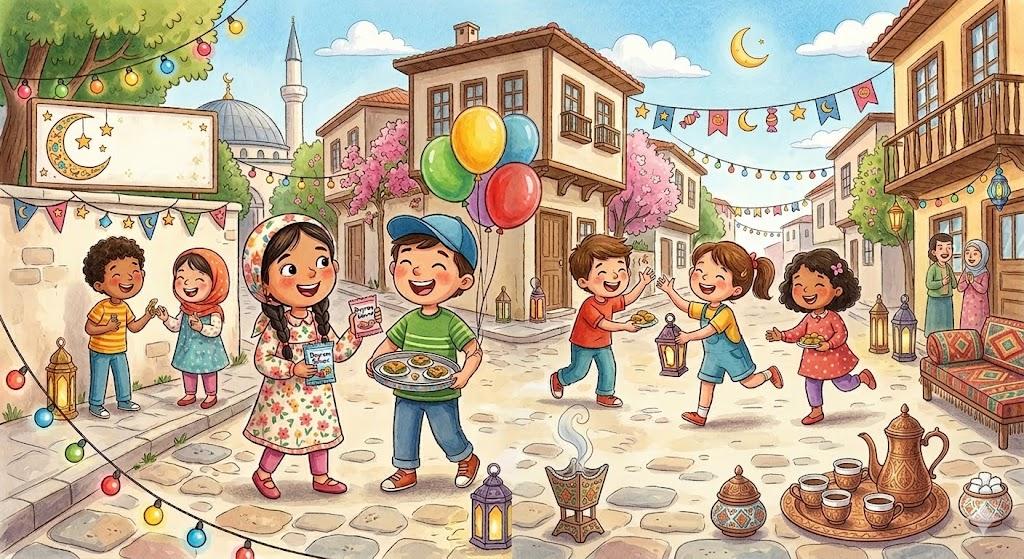
Eid al-Fitr
Ramazan Bayramı is one of the most special times for approximately two billion Muslims worldwide, filled with solidarity, love, and joy. Known in Arabic as Eid al-Fitr (the Festival of Breaking the Fast), this festival marks the end of the one-month Ramadan fast and celebrates the completion of a spiritual purification period.
Generated by Artificial Intelligence.
Preparations and the Excitement of Arefe
The joy of the festival begins a day earlier, on Arefe.
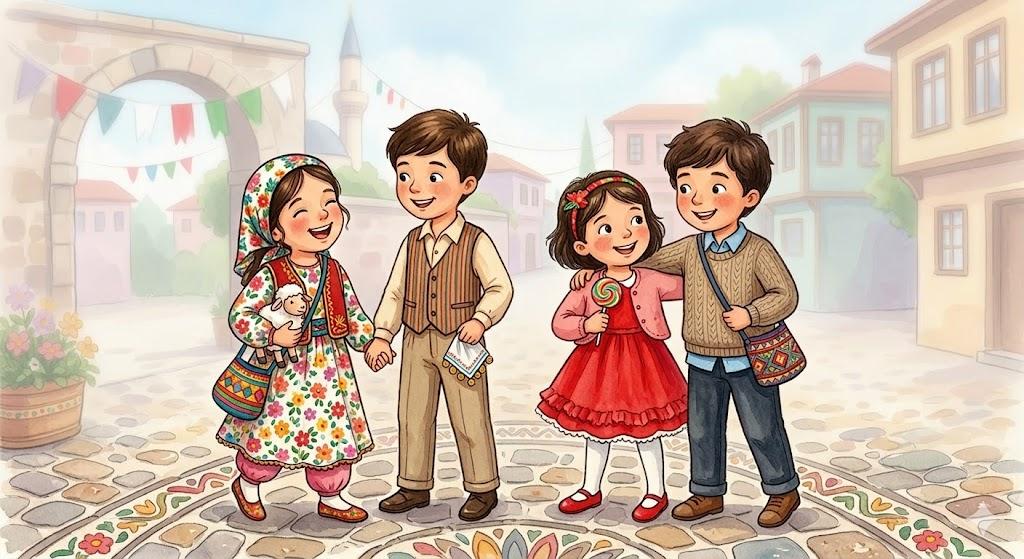
- Festival Outfits: The greatest excitement for children is preparing brand new, immaculate clothing, known as bayramlık, to wear on the morning of the festival. Thanks to the Fıtır Sadakası (charity given before the festival), even children in need are able to wear new clothes and enjoy festival sweets.
- Kitchen Bustle: While homes undergo thorough cleaning, the air fills with the fragrant aromas of baklava, kadayıf, Turkish delight, and sweets.
- Global Cuisines: In Pakistan, a special dessert called "seviyan" (vermicelli pudding) is prepared for children, while in Egypt, children eagerly await tasting the famous festival cookies known as "kahk".
Generated by Artificial Intelligence.
Festival Morning: The First Steps
On the morning of the festival, people rise early to begin the day with a fresh start.
- Personal Care: Taking a bath (performing ghusl), wearing one’s finest clothes, and applying pleasant fragrances are part of the festival’s etiquette.
- A Sweet Sunnah: It is a very old tradition to eat a few dates or other sweet foods before heading to the mosque, to celebrate the end of the fast.
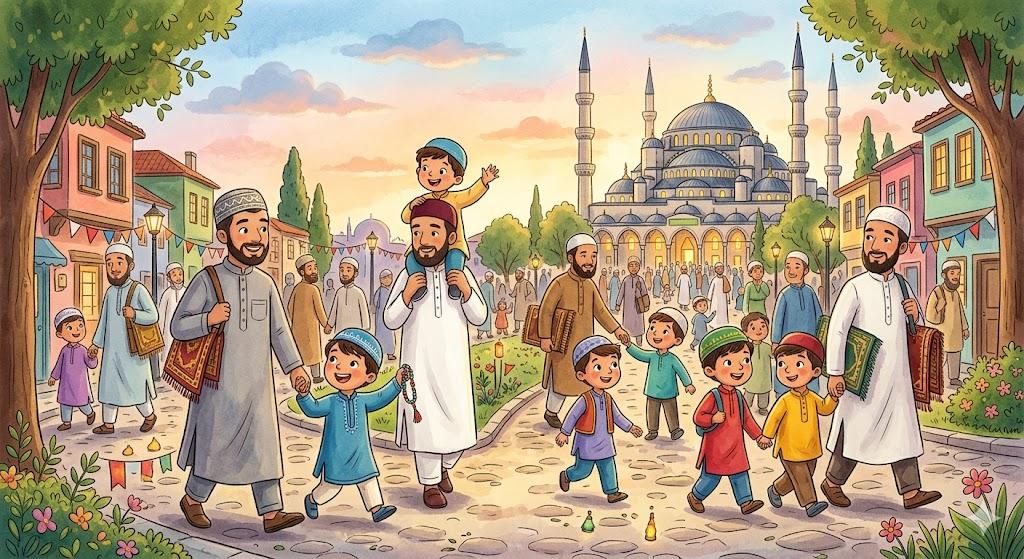
- Festival Prayer: Men and children go to the mosque to perform the festival prayer. After the prayer, everyone greets each other warmly in the mosque courtyard, exchanging festival greetings.
Generated by Artificial Intelligence.
Children’s Festival Adventures
Undoubtedly, children are the happiest participants of the festival. For them, the festival means discovery and entertainment.
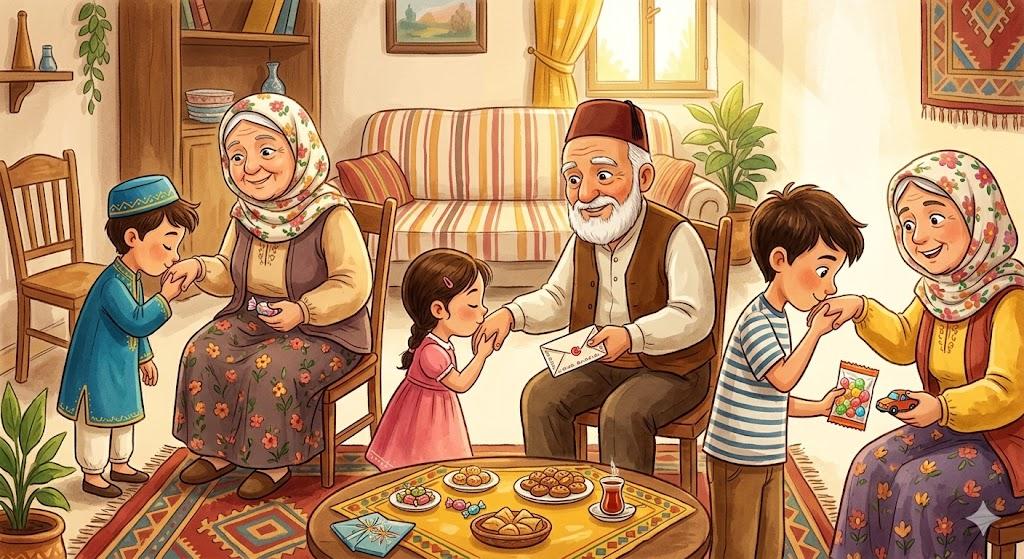
- Kissing Hands and Pocket Money: Children kiss the hands of elders and are rewarded with bayram harçlığı, candy, or small gifts in return.
- Collecting Sweets: In some regions, children go door to door, wishing neighbors a happy festival and filling their bags with festival sweets.
- Joy Sticks: During the Ottoman period, children would carry decorated “joy sticks” (neşe çubukları), adorned with flags and small lanterns, to brighten the streets during the festival.
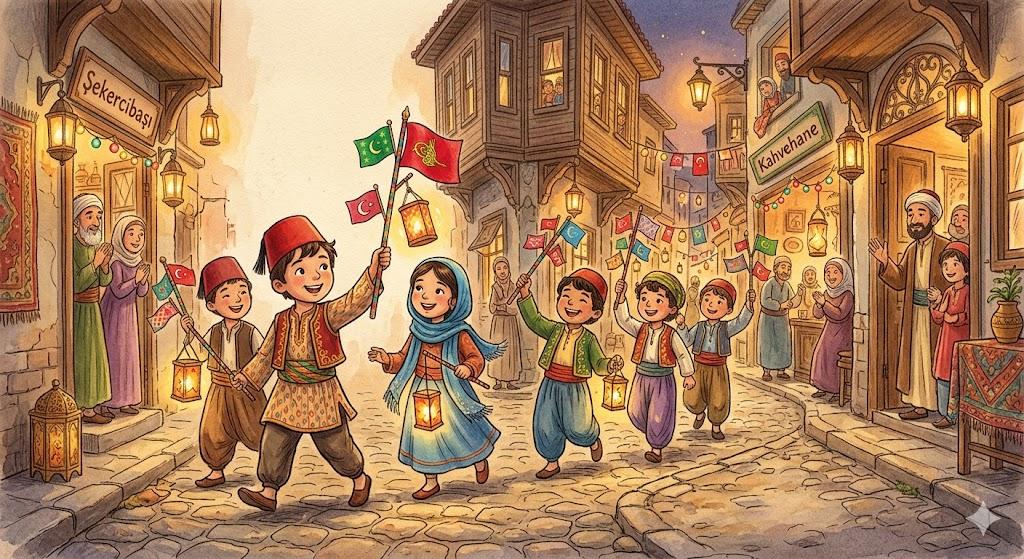
Generated by Artificial Intelligence.
Interesting Children’s Traditions Around the World
Children in different parts of the world celebrate Ramazan Bayramı in fascinating ways.
Generated by Artificial Intelligence.
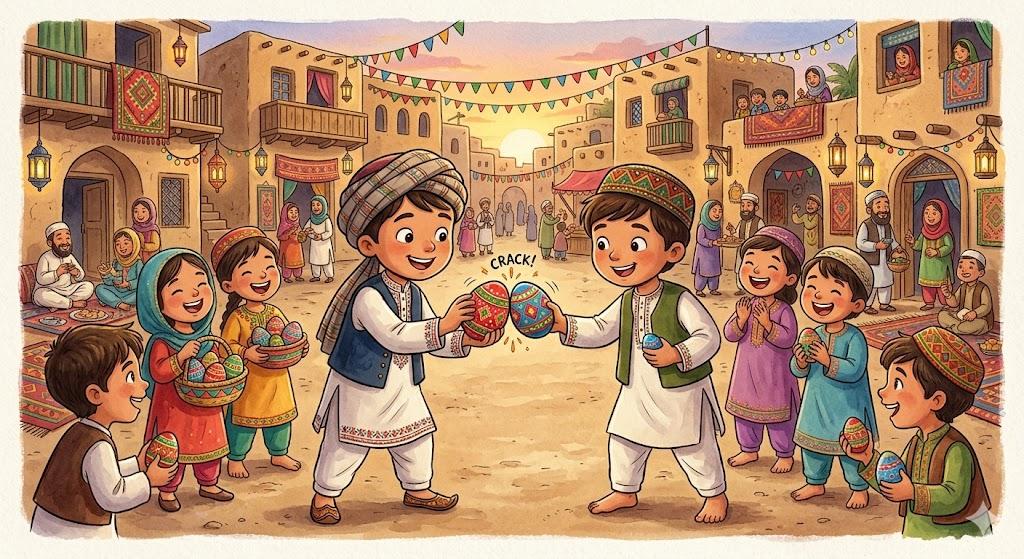
- Afghanistan (Egg Battle): Children play a fun competition called Tokhm-Jangi, in which they try to crack each other’s painted eggs.
- Indonesia (Mudik Journey): Millions of children travel home to spend the festival with their grandparents on a large journey known as “Mudik”.
Generated by Artificial Intelligence.
- Malaysia (Open House): During “Hari Raya”, doors are open to everyone; children can even visit neighbors they have never met and enjoy the food offered at their tables.
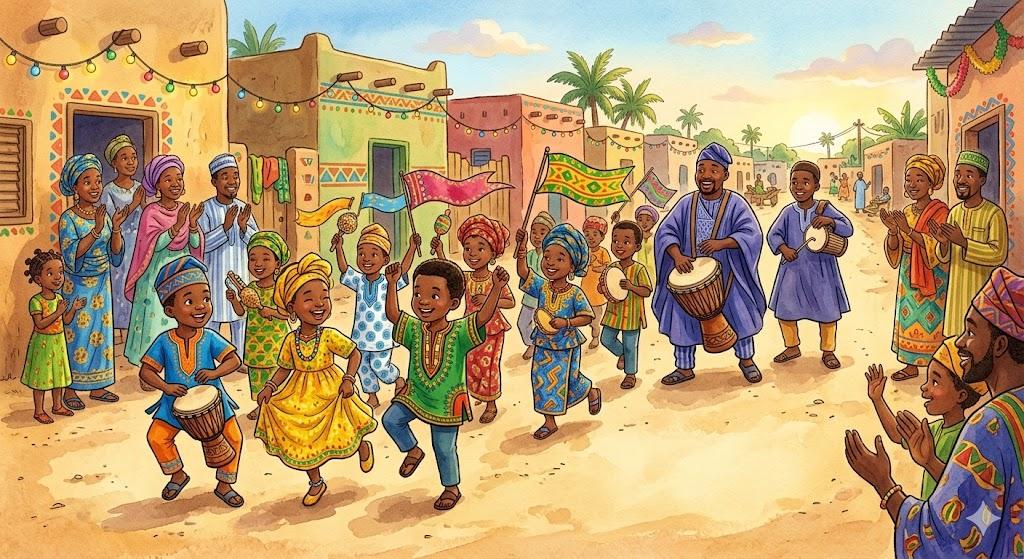
- Africa (Festival Dance): In Nigeria and Senegal, children wear colorful traditional clothing and watch massive street dances and musical performances.
Ramazan Bayramı (Diyanet Çocuk)