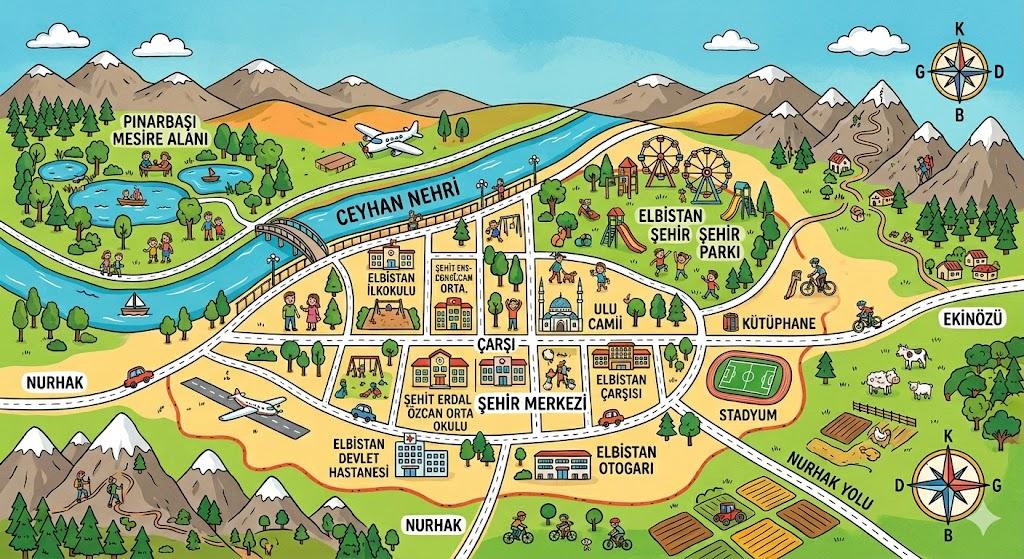




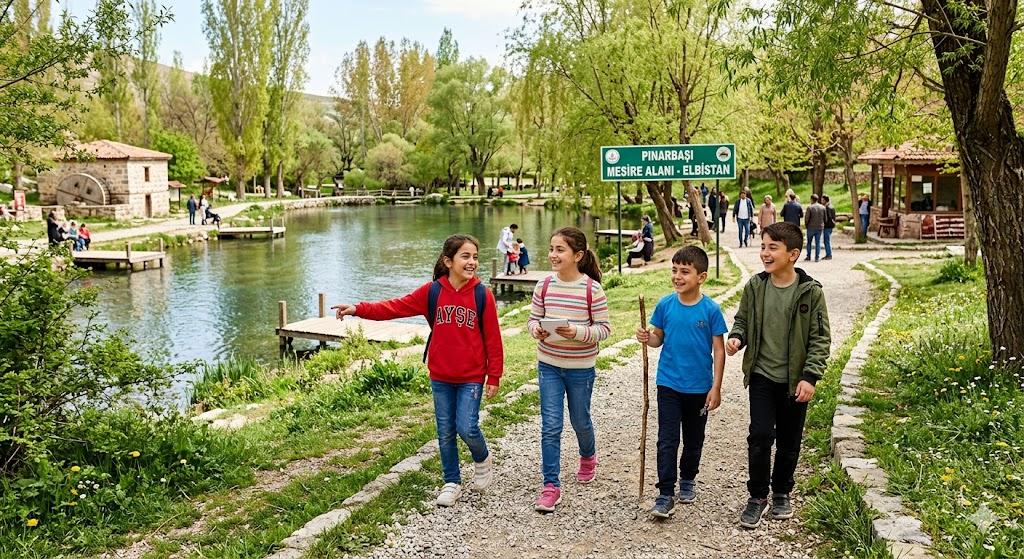
Elbistan (District)
Elbistan has been an important center since ancient times, situated along the routes connecting southern Anatolia to Arabia. For thousands of years, this region has hosted numerous civilizations and is essentially a treasury of history. Let us explore this historic district, once traversed by caravans.
Why Is Elbistan’s History Important?
Elbistan lay along the shortest route linking Syria and Mesopotamia to other parts of Anatolia. Throughout history, many great empires including the Hittites, Romans, Byzantines, and Ottomans flourished along this route. Elbistan has preserved the cultural richness of these civilizations to the present day.
A Journey Through Time
Centuries ago, Elbistan was a strategic region characterized by narrow passes and mountain corridors. Powers controlling these passes also controlled the trade routes passing through the area.
What Can We See in the City?
The city contains many significant structures and sites where traces of the past can still be observed. Leading among them is the Elbistan City Museum. Opened after the restoration of an old government mansion, the museum features 17 exhibition halls that narrate the region’s history.
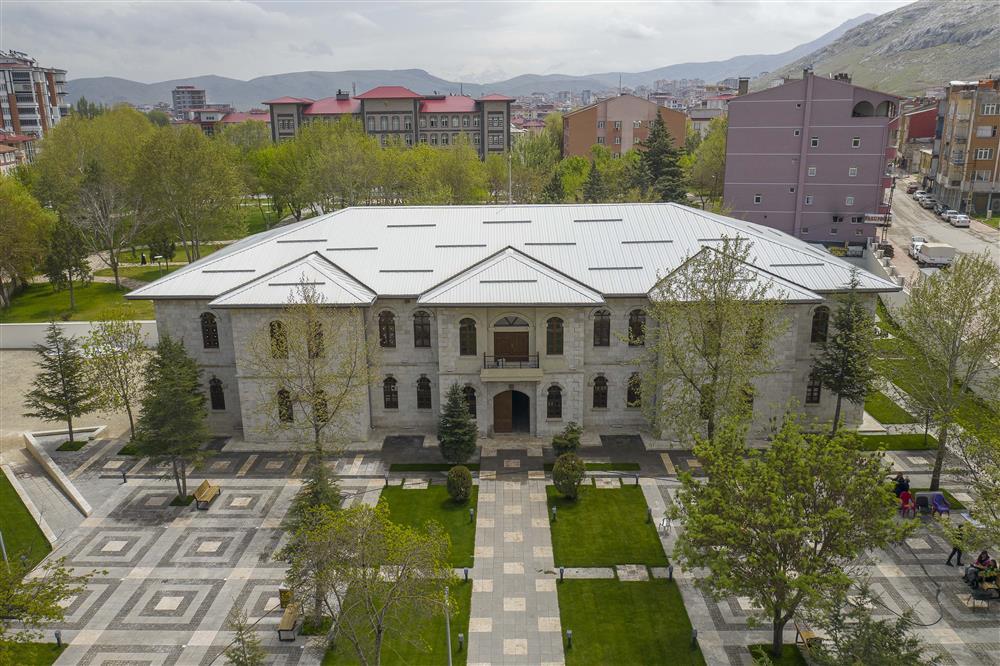
City Museum (Ministry of Culture and Tourism)
Another important structure is the Elbistan Ulu Camii. Built by the Ottomans in the 16th century, the mosque is supported by a large central dome and smaller surrounding domes. The “Hünkâr Mahfili” inside the mosque is of great value as one of the oldest and most original examples in Anatolia.
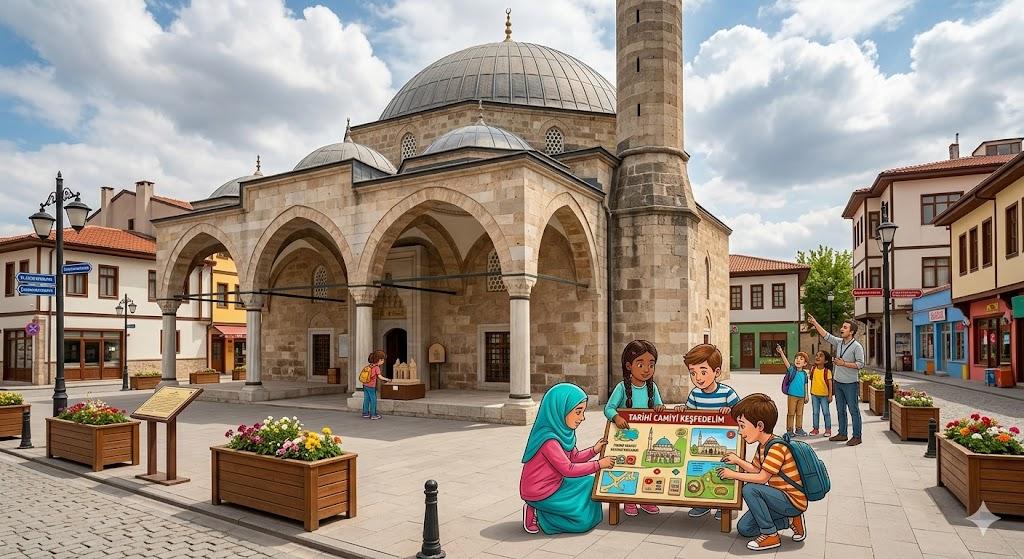
Ulu Camii (generated by artificial intelligence)
Elbistan’s Cultural Heritage
In addition to mosques and museums, the district contains ancient settlement mounds known as höyüks. Archaeological sites such as Karahöyük and Ceyhanhöyük tell the story of the region’s history stretching back thousands of years. These sites also make a significant contribution to Elbistan’s tourism development.