



Eskişehir Zoology Museum
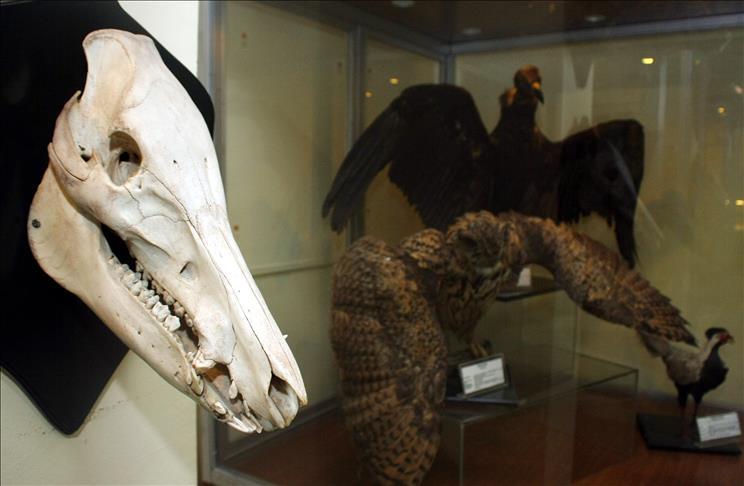
The Zoology Museum is a special exhibition space where, as its name suggests, you can see many things related to the science of animals. These museums, much like a vast treasure chest, house specimens, skeletons, and preserved remains of various animal species. It is an ideal place to gain a closer understanding of the animal world and learn about biodiversity. The museum located in Eskişehir also conveys the rich animal diversity of Anatolia to children and the general public.
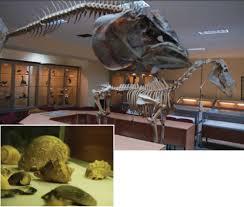
Eskişehir Zoology Museum (Culture Portal)
What Is the Purpose of the Zoology Museum? 🔬
The Zoology Museum is important not only for viewing and exploring but also for learning and conservation.
This museum assists scientists and students in conducting research on animals. By examining an animal’s skeleton, skin, or preserved remains, they learn how it lived, what it ate, and how its body functioned. This is similar to how detectives piece together clues to solve a case!
At the same time, the museum raises awareness about biodiversity (Biodiversity: the variety of living species and habitats in a region). Türkiye’s animal diversity is richer than that of most of Europe, and the museum demonstrates this richness to emphasize its importance for future generations.
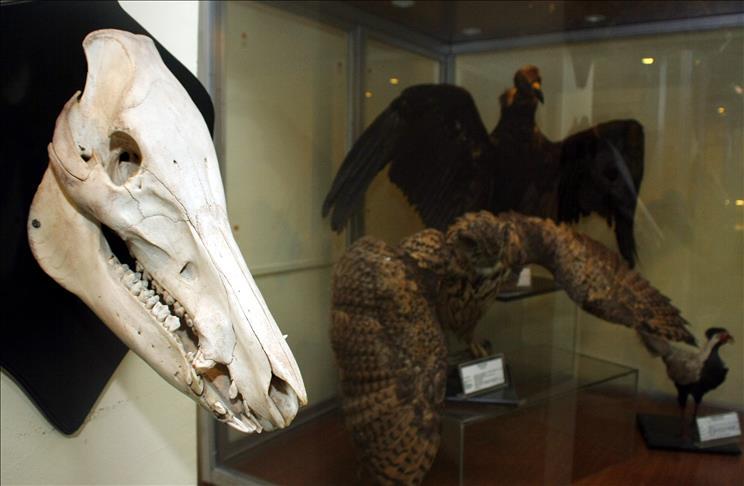
Eskişehir Zoology Museum (Anadolu Agency)
What Is in the Museum’s Collection? 🦋
The museum, located within Eskişehir Osmangazi University (ESOGÜ), holds approximately 1,200 different specimens. Just as a collector gathers stamps or toys, the museum has assembled animal specimens for scientific purposes.
These specimens include representatives from various animal groups such as insects, fish, reptiles, birds, and mammals. For example, you can examine the skeletons of fish and mammals. Seeing the internal structure of animals reveals how different it is from their external appearance. Studying an animal’s bone structure provides important insights into its movements and lifestyle.
A Journey Through Time ⏳
The Eskişehir Osmangazi University Zoology Museum was established to display and preserve the region’s biological richness. This represents a significant step by the university to share its scientific work with the public and promote environmental awareness. The museum offers a kind of time tunnel through its collection of preserved animal specimens gathered from different eras.