



Faysal Mosque
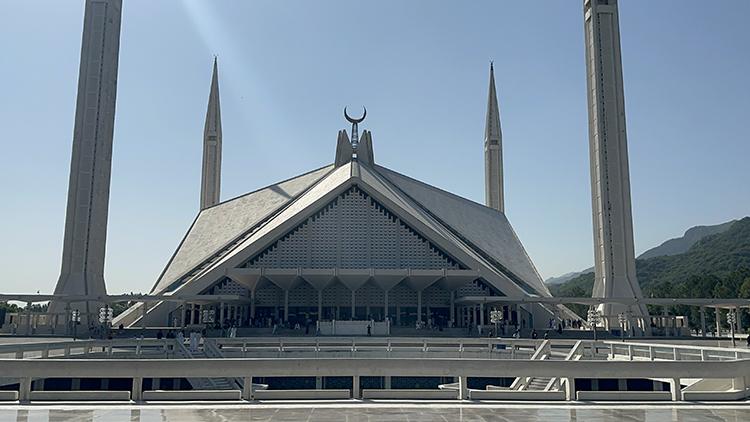
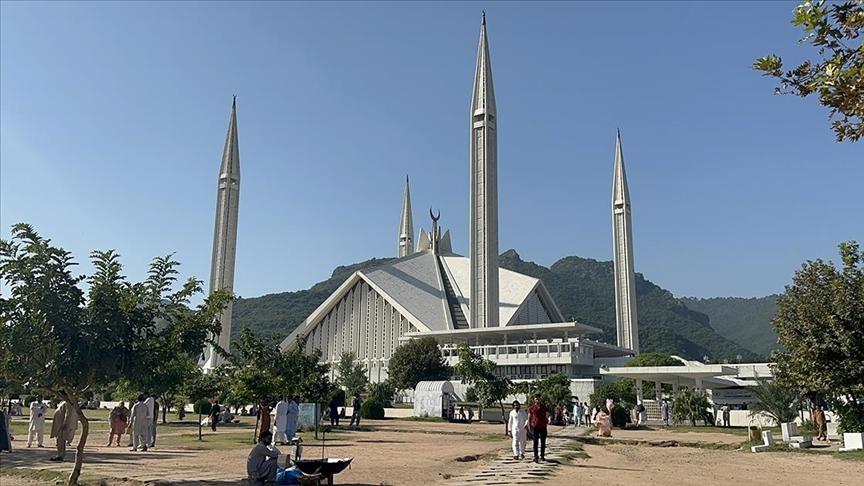
Faysal Camii, located at the foothills of the Margalla Hills in northern Islamabad, the capital of Pakistan, is a monumental structure. Recognized as one of the most original examples of modern Islamic architecture worldwide, the mosque holds the dual status of being both a national symbol of Pakistan and one of the largest places of worship in the Islamic world, due to its design that rejects the classical dome form.
History and Project Development
The idea of constructing the mosque originated during an official visit by King Faisal bin Abdulaziz of Saudi Arabia to Pakistan in 1966. As the project was largely funded by Saudi Arabia, the mosque was named after King Faisal.
To determine the design, an international architectural competition was held in 1969, receiving 43 proposals from 17 countries. The winning entry was submitted by Turkish architect Vedat Dalokay, whose modern and innovative design was selected. Construction began in 1976 and after a decade of work, the mosque was completed and opened for service in 1986.
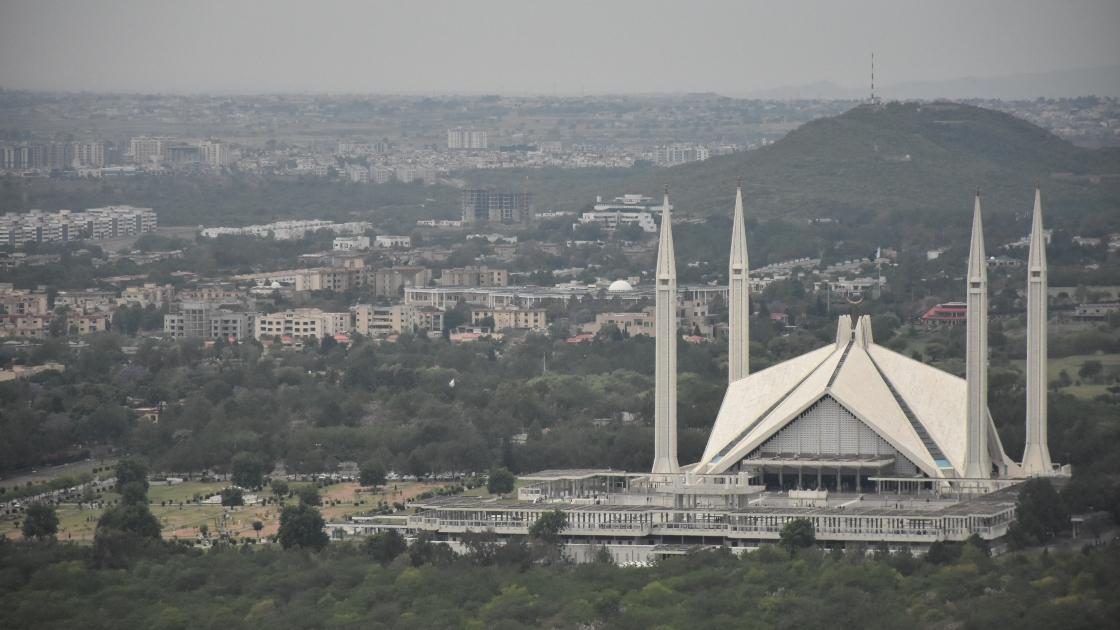
Image of Faysal Camii (Anadolu Ajansı)
Architectural Design and Structural Features
Faysal Camii is a geometric, domeless structure that reinterprets thousands of years of traditional mosque architecture through modern lines.
• Bedouin Tent Form: The main body of the structure consists of an eight-sided concrete roof, evoking the traditional Bedouin tents of desert cultures.
• Minaret Structure: Four minarets, each 80 meters tall, stand at the corners of the mosque, reflecting the slender, tall pencil-style minarets of Turkish architecture.
• Interior Space and Artistic Details: The interior of the mosque is clad in white marble. The ceilings and walls feature monumental calligraphic works and mosaics by renowned Pakistani artist Sadequain. A large chandelier with gold plating at the center of the main prayer hall reinforces the building’s modern aesthetic.
Social Life and Cultural Function
Faysal Camii is not merely a religious center but also a comprehensive social space for the people of Pakistan. Its commanding view of the Margalla Hills and the expansive green areas surrounding it have transformed the site into a destination for families to socialize, picnic, and spend leisure time.
At one time, the complex housed classrooms dedicated to the International Islamic University, along with a library and various cultural units. Additionally, the tomb of former Pakistani president Muhammad Zia-ul-Haq is located in the mosque’s courtyard. As one of the primary destinations for foreign state delegations and tourists visiting Pakistan, the mosque represents the country’s cultural and architectural strength.