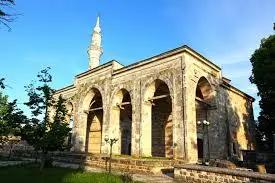




Gazi Mihal Camii
Gazi Mihal Camii is an important structure dating back to the early periods of the Ottoman Empire. Mosques are large buildings where people gather for worship and are notable for their architecture. This mosque, constructed approximately 600 years ago, stands out for both its historical and architectural significance.
Time Travel
Gazi Mihal Camii was built in 1422, about 600 years ago, during the reign of Ottoman Sultan Murad II. The mosque is named after Emîrü'l-kebîr Mihal b. Azîz. At that time, this man, known as Gazi Mihal Bey, belonged to the Mihaloğulları, an important akıncı family during the founding years of the Ottoman state. Akıncılar were brave soldiers who served as vanguard units in warfare.

Şehzade Ahmed Türbesi (Culture Portal)
What Kind of Structure Is It?
Gazi Mihal Camii was constructed using cut stone, carefully carved blocks that ensure the building’s exceptional durability. The mosque’s architectural plan is an example of an early Ottoman type known as a tabhaneli (zaviyeli) mosque.
What Does Tabhaneli Mosque Mean?
Tabhaneli mosques are a type of mosque that includes, alongside the main prayer hall, rooms where travelers and dervishes (those receiving religious education) could stay. These rooms are called tabhane. You can think of it as a guesthouse integrated with a mosque. In Gazi Mihal Camii, tabhane rooms are located on both sides of the main prayer area, each with doors opening to the exterior and into the mosque interior.

Şehzade Ahmed Türbesi (Culture Portal)
🔎 What Are the Notable Features of the Mosque?
The mosque contains several distinctive details:
- Final Congregation Area: The covered area just before entering the mosque is called the final congregation area. This space served as a waiting area for worshippers who arrived late for prayer or needed to perform ablutions. The section of Gazi Mihal Camii designated for this purpose is supported by six columns and five pointed arches. The central portion is higher than the others and covered by a dome.
- Onion-Shaped Minaret: The mosque has a single minaret, the tall tower from which the call to prayer is issued. The upper section of this minaret features a unique design that narrows in concentric rings, resembling the shape of an onion. This feature distinguishes it from other mosques in Edirne.