




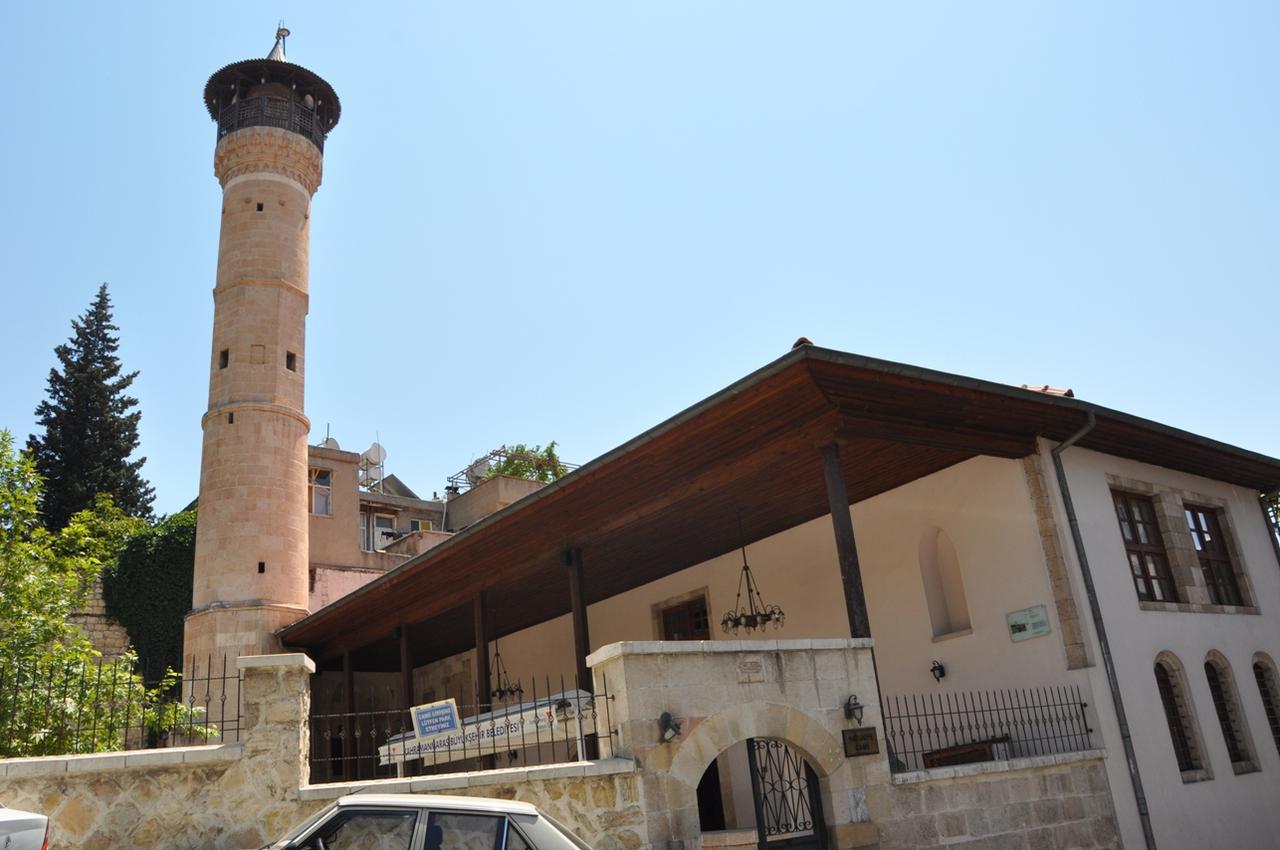
Hatuniye Camii
Hatuniye Camii is a historical place of worship located in the city center of Kahramanmaraş, dating back to the Dulkadiroğulları Beylik period and surviving to the present day. With a history stretching back several centuries, this mosque is regarded as one of the city’s oldest and most significant cultural heritage sites. The structure, skillfully constructed from stone and wood, offers visitors a tangible representation of the architectural understanding and craftsmanship of its era.
History and Name of the Mosque
The mosque was built in the late 15th and early 16th centuries during the rule of the Dulkadiroğulları Beylik. It was named Hatuniye in honor of Şemsa Hatun, the wife of Alaüddevle Bozkurt Bey, who commissioned its construction. For centuries, this historic building served as the center of worship and community gathering for the local population and has survived to the present day through various restorations.
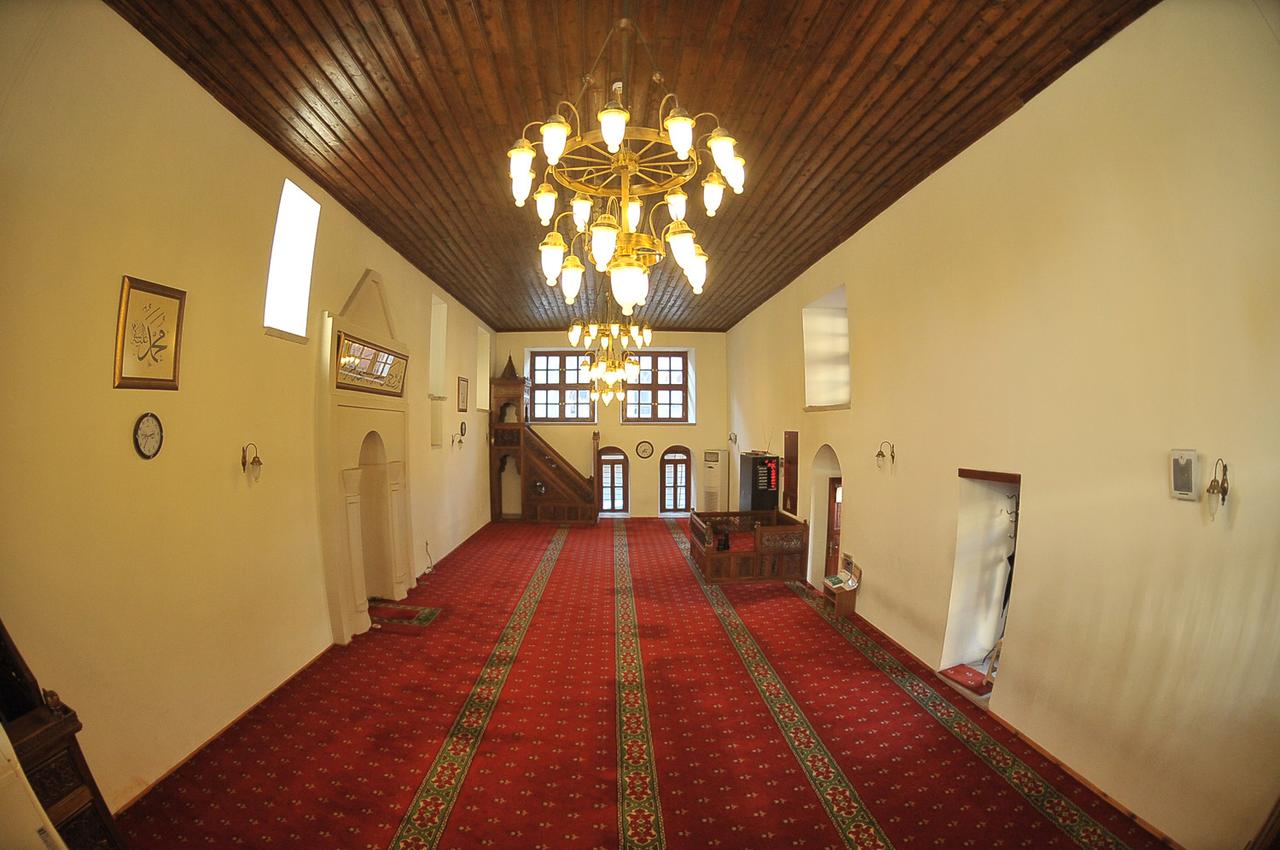
Interior of Hatuniye Camii (KahramanMaraş Governorship)
Architectural Features and Materials
The structure was built on a rectangular plan using sturdy cut stone, in accordance with the region’s traditional architectural style. One of its most striking features is the entirely wooden ceiling decoration that covers the interior. The minaret is shorter and more robust compared to those of many other mosques, constructed with specialized stonework to enhance resilience against natural events such as earthquakes. The mihrab, the niche where the imam leads prayers, is adorned with simple yet elegant carvings.
Cultural Heritage of the City
This monument reflects the historical fabric of Kahramanmaraş and today functions both as an active place of worship and as a major cultural destination frequently visited by tourists. Its centuries-old wooden pillars, pointed arches, and stone walls transmit the craftsmanship of past artisans to present generations. Its central location within the city makes it an inseparable part of Kahramanmaraş’s historical identity and a key stop on its open-air museum.
A Journey Through Time
Constructed over 500 years ago in the early 1500s, this structure has remained standing in the heart of Kahramanmaraş for centuries.