



Humboldt Penguin
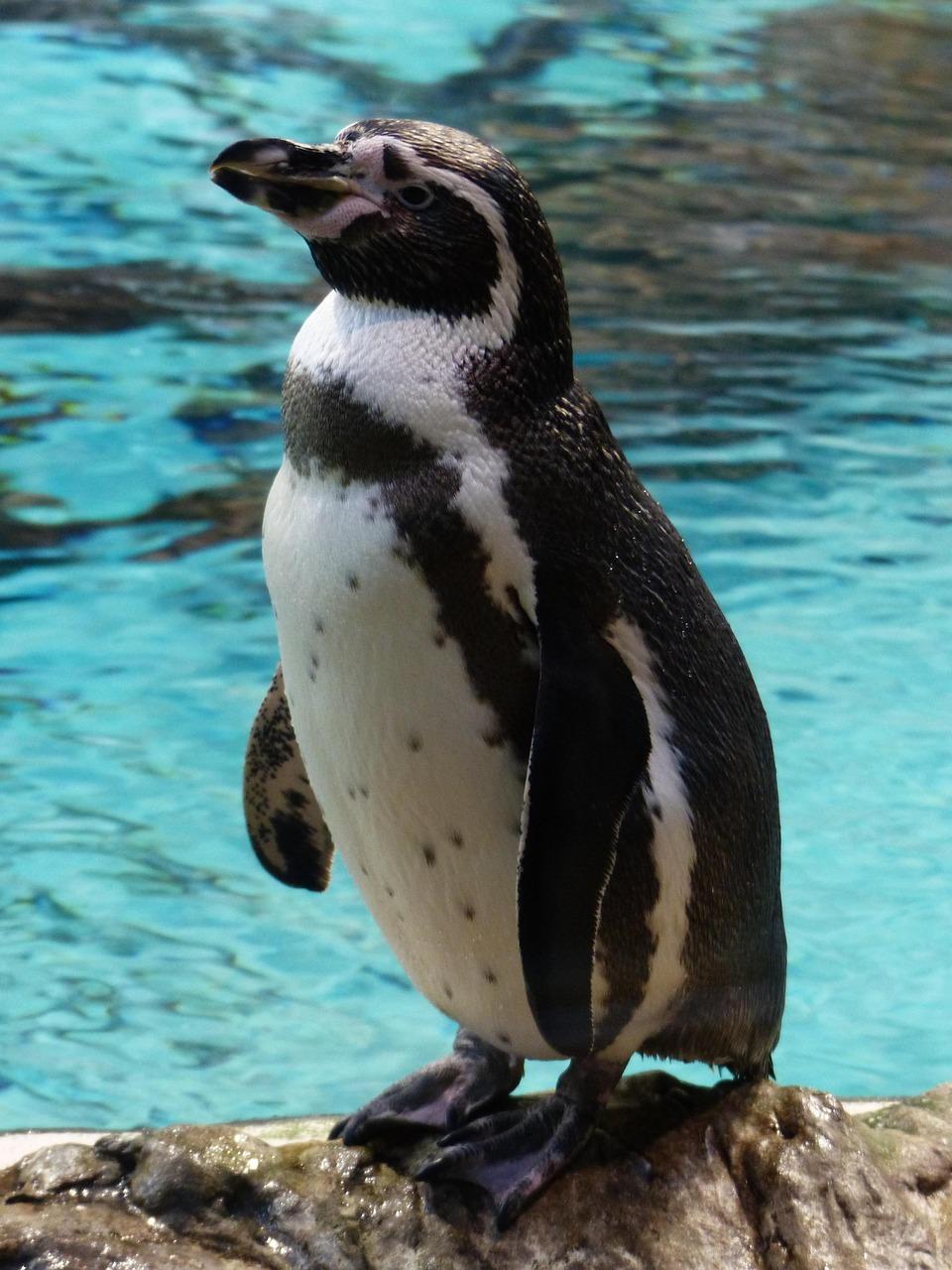
The Humboldt penguin (Spheniscus humboldti) belongs to the family Spheniscidae. These charming birds, which live in the cold and cool waters along the coasts of South America, are distinguished by their black-and-white plumage. One of their most noticeable features that set them apart from other penguin species is the pink skin around their eyes. They are also easily recognized by the thin black stripes on their chests.
What Are Their Colors?
The plumage coloration of Humboldt penguins is very distinct. The upper parts of their bodies are black, while the underparts are entirely white. A narrow black band runs from the neck down to the belly on the chest region.
On their faces, a white line begins around the eyes and extends to the sides of the beak. Prominent areas of bare pink skin around the eyes are also striking. This color pattern helps them with camouflage in water and protection from sunlight.

Humboldt Penguins (Pexels)
How Large Do They Grow?
Humboldt penguins range in height from approximately 56 to 70 cm. Their weight typically falls between 3.5 and 5 kg. Males are slightly larger than females. Thanks to this medium size, they can swim swiftly in water and move easily on land.
How Long Do They Live?
The average lifespan of Humboldt penguins in the wild is about 15 to 20 years. However, under protected or favorable conditions, this can extend up to 25 years. Predators, climate change, overfishing, and habitat loss are the main factors that shorten their lives.
What Do They Eat?
In the wild, Humboldt penguins primarily feed on marine animals. They prefer small fish, especially anchovies and sardines, which form the basis of their diet. They also consume squid and crustaceans. To catch their prey, they move quickly and agilely underwater.
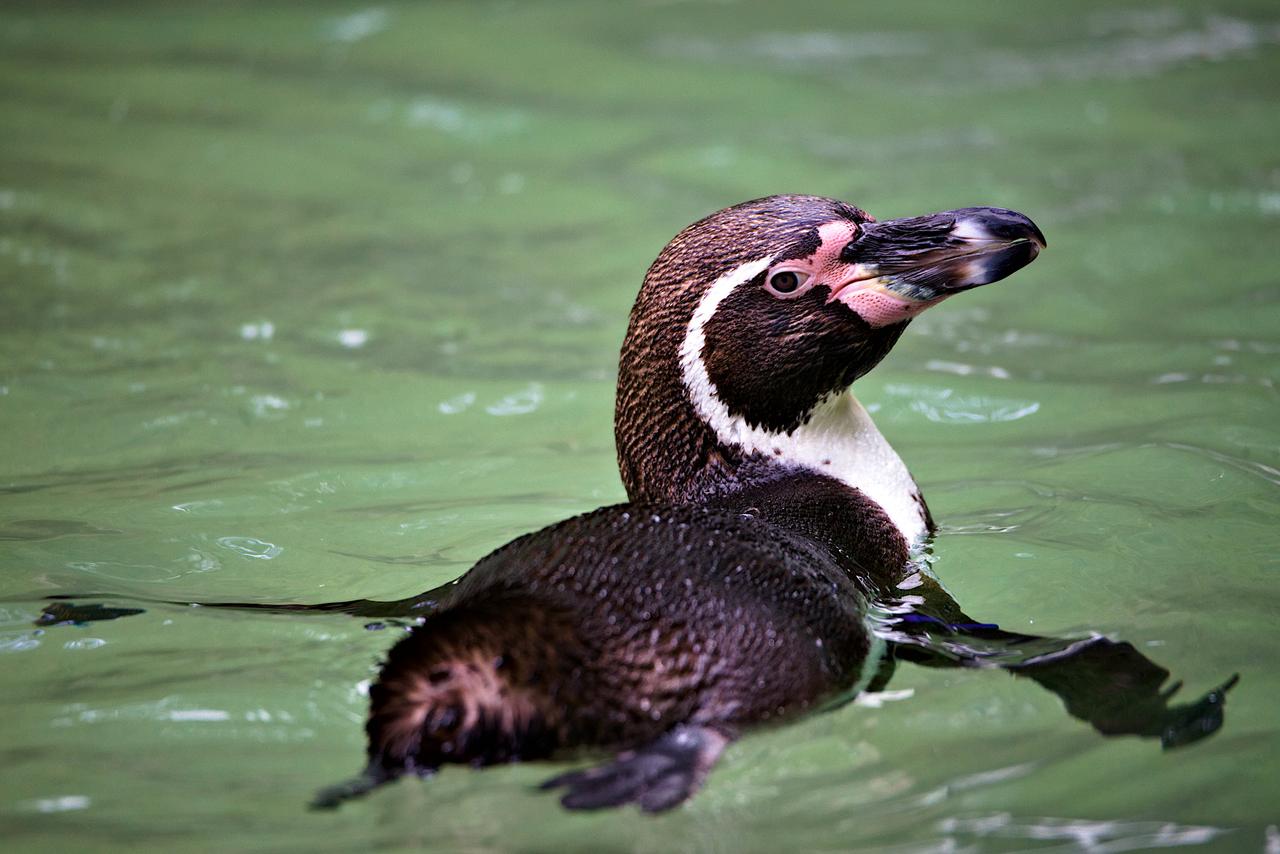
Humboldt Penguins (Unsplash)
Where Do They Live?
Humboldt penguins inhabit the western coasts of South America. They are most commonly found along the shores of Peru and Chile, particularly in the cool waters influenced by the Humboldt Current. Rocky coastlines, caves, and coastal areas are their preferred nesting sites. The cold, nutrient-rich currents in these regions provide ideal conditions for the penguins’ survival.
Conservation Status
The Humboldt penguin is classified as Vulnerable by the International Union for Conservation of Nature (IUCN). This status indicates that their populations are at risk of decline. Major threats to the species include overfishing, climate change, habitat loss, and the destruction of nesting areas.