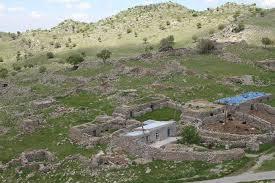




Karaman Değle Excavation Site
Değle Örenyeri is an ancient settlement site, much like an open-air museum, where people lived in very early times. So what does “örenyeri” mean? Örenyeri is the term given to the remains of ancient cities that have been buried underground, gradually ruined over time, yet whose traces are still visible.
Time Travel
The structures at Değle Örenyeri date from the 4th to the 9th century CE, approximately 1200 to 1600 years ago. During this period, the Byzantine Empire (Eastern Rome) ruled this region. Historians believe that Değle was an important bishopric center—a type of religious administrative hub—at the time.

Karaman Değle Örenyeri (Culture Portal)
Where Is It Located?
This ancient settlement is located near the village of Üçkuyu, which today belongs to the province of Karaman. Değle, together with the nearby Madenşehri Örenyeri, forms part of a large historical region known locally as “Binbir Kilise,” meaning “A Thousand and One Churches.”
What Structures Can Be Seen?
At Değle Örenyeri, the majority of remains belong to the Byzantine period (4th–9th centuries CE). Here one finds basilica-plan churches—large, rectangular worship buildings. In addition, there are the ruins of a bishop’s palace (the residence of the religious leader), a monastery (a communal dwelling for religious figures), smaller churches (chapels), and residential remains where clergy and servants lived. These dwellings were typically constructed with two or three rooms.

Karaman Değle Örenyeri (Culture Portal)
The Secrets on the Stones
Within the site, tombs and tomb covers have been carved directly into the bedrock. Additionally, a cult altar—a stone table used for religious ceremonies—from a period older than the Byzantine era has also been found. This altar was later repurposed and converted into a rock-cut tomb.
On the altar’s surface is a remarkable relief scene: a central figure holds a bowl in its left hand while scattering seeds with its right hand. Behind it, another figure is shown plowing with a pair of animals. This relief offers clues about the daily life of the people at the time, perhaps reflecting the importance they placed on agriculture.