




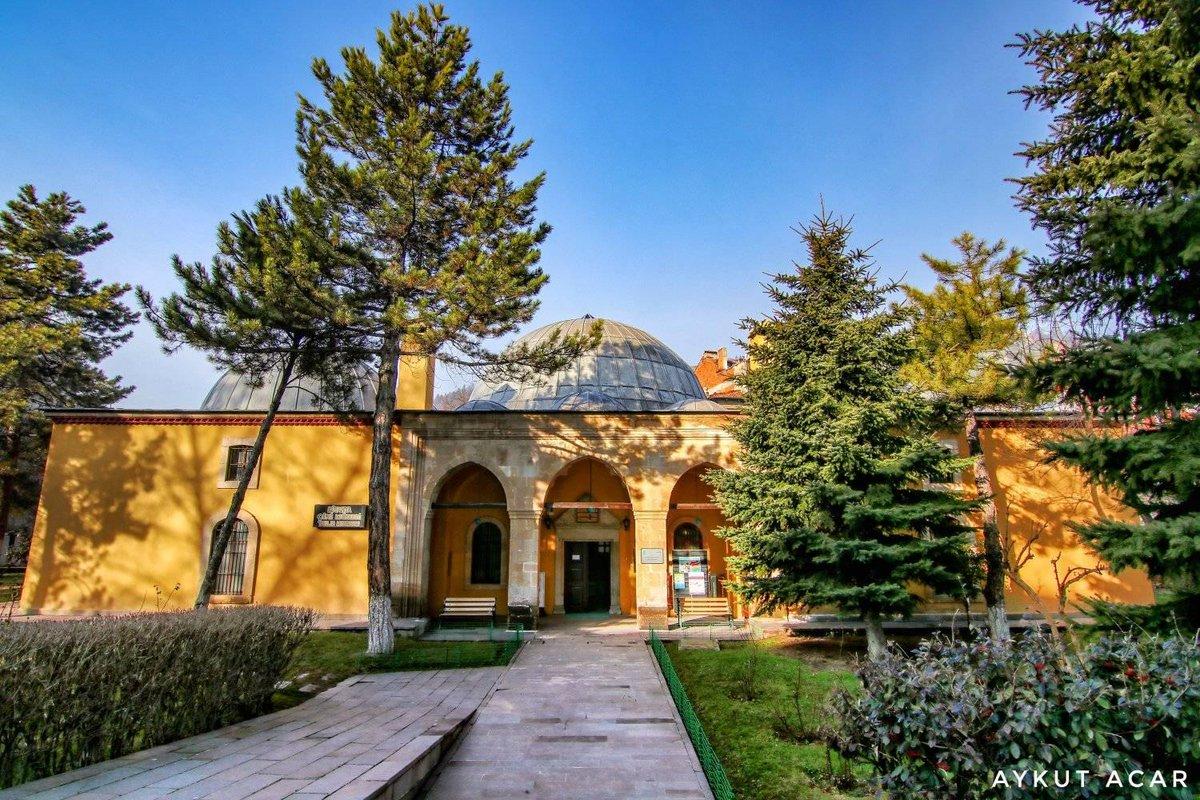
Kütahya Tile Museum
Kütahya Çini Müzesi is a historical institution located in the city center of Kütahya, and it holds the distinction of being Türkiye's first and only ceramic museum. The building that houses the museum contains a large number of artifacts reflecting the development and history of ceramic art. This museum, which documents the city’s tradition of ceramics, provides concrete information about the production techniques, colors, and motifs used in past centuries through its exhibited pieces.
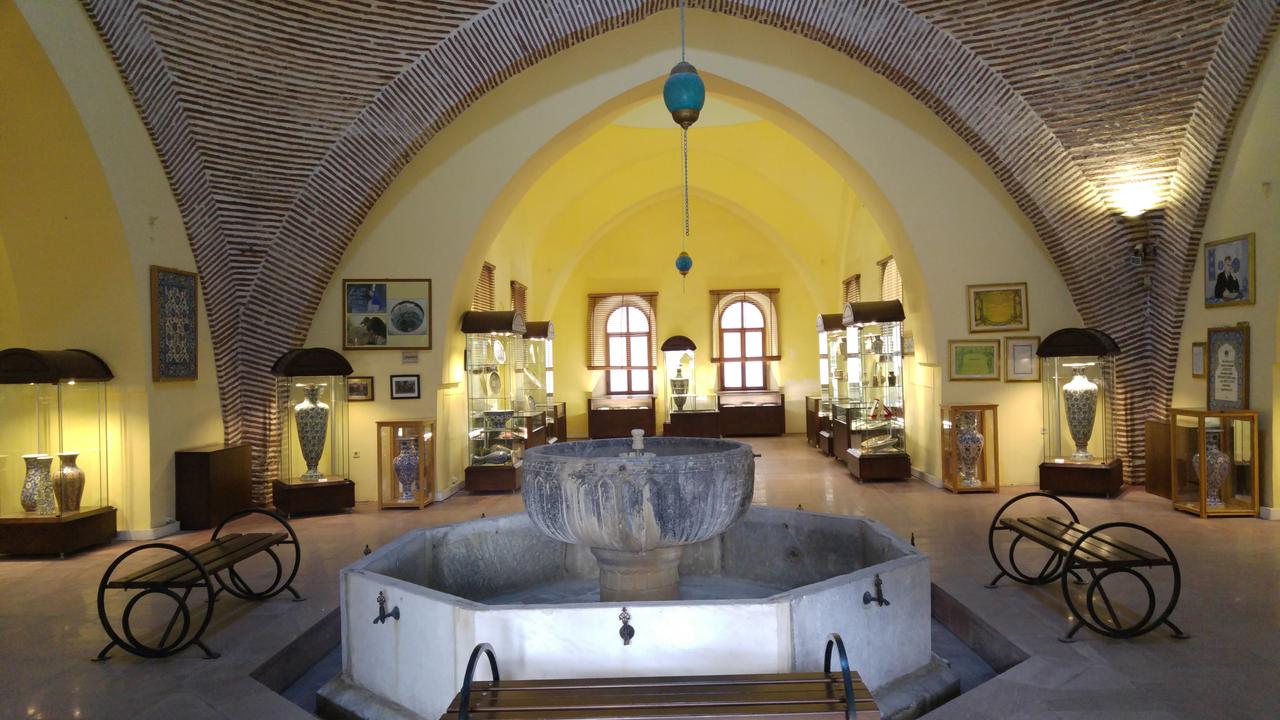
Kütahya Çini Müzesi (Ministry of Culture and Tourism of the Republic of Türkiye)
History of the Museum Building
The building that now serves as a museum was constructed in 1314 by Umur bin Savaş, a ruler of the Germiyanoğulları Beylik. Originally named "Vacidiye Medresesi", it functioned as an educational institution where astronomy and positive sciences were taught. This historic structure, which had been used for educational purposes for centuries and gradually deteriorated, was restored by the Ministry of Culture and Tourism in 1999 and opened to the public as the Kütahya Ceramic Museum.
Architectural Features of the Building
Vacidiye Medresesi is a structure built from cut stone and belongs to the architectural group of enclosed courtyard madrasas. At the center of the building is a large dome covering the enclosed courtyard, beneath which lies a şadırvan (fountain). At the highest point of the dome is a glazed lantern that allows natural light and ventilation into the interior space. The historic rooms located to the right and left of the main entrance are currently used as exhibition halls of the museum.
Artifacts Exhibited in the Museum
The museum’s display cases present a chronological collection of ceramic artifacts produced from the 14th century to the present. In addition to pieces made in Kütahya, the museum also preserves historical ceramics from İznik. The exhibited collection includes not only ceramic panels used in architectural decoration but also vases, plates, bowls, cups, and everyday objects. Furthermore, works by renowned ceramic masters such as Hafız Mehmet Emin, as well as tools used in ancient ceramic kilns, are part of the museum’s inventory.
Colors and Patterns of Kütahya Ceramics
When examining the artifacts in the Kütahya Ceramic Museum, one can observe the evolution of coloring techniques over time. Early pieces predominantly feature cobalt blue, manganese purple, and turquoise, while later centuries introduced red, yellow, and green tones. Common motifs on the pieces include plant designs such as tulips, carnations, and roses, geometric patterns, and various bird figures.
Traditional Ceramic Production Process
The museum does not only display finished ceramic artifacts but also provides information on their manufacturing process. Visitors are informed about the processing of the region’s clay, shaping the clay body, drawing designs with brushes, and the glazing and firing process. This allows a step-by-step understanding of how raw earth is transformed into ceramic art.
A Journey Through Time
Built in 1314, 712 years ago during the Germiyanoğulları period as a stone educational building, this structure has now been transformed into a museum dedicated to preserving ceramic artifacts.