



Laylat al-Qadr
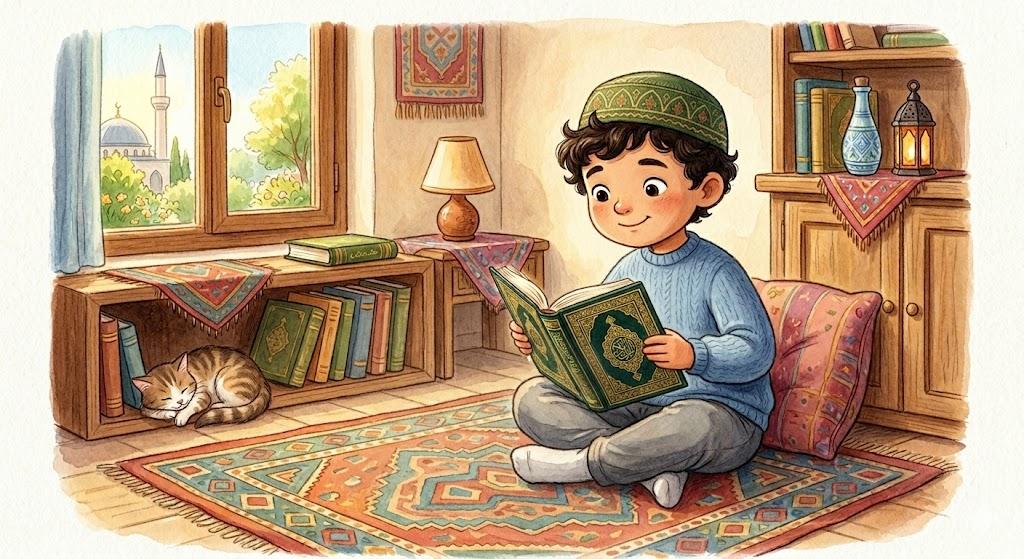
Laylat al-Qadr is regarded as one of the most important and holiest nights of the year in Islam. The word "Qadr" in dictionaries carries meanings such as decree, honor, power, and nobility. As a religious term, it refers to the night on which the Quran began to be revealed.
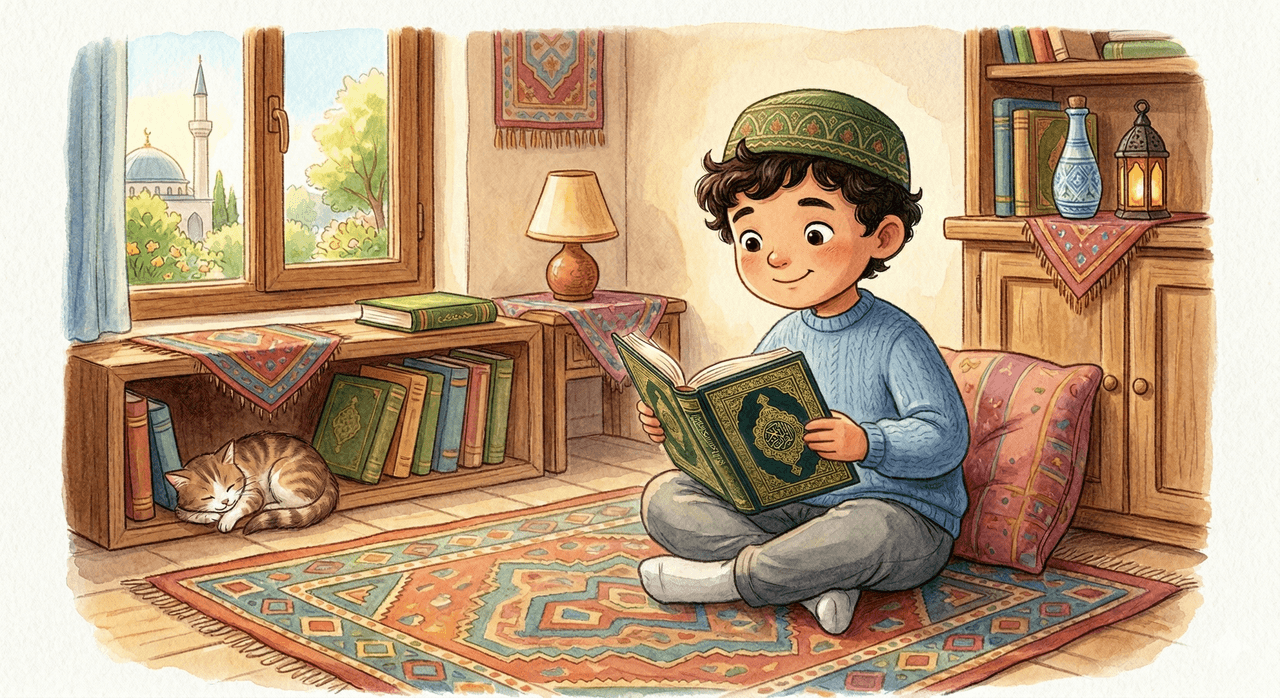
Generated by Artificial Intelligence.
The Quran and Laylat al-Qadr
The significance of this night derives from Islam’s holy book, the Quran. The Quran was revealed on this blessed night during the month of Ramadan. The Quran contains a chapter of five verses titled Surah al-Qadr, which describes the value of this night. The following key points about the night are mentioned in this chapter:
- Better Than a Thousand Months: Good deeds and acts of worship performed on Laylat al-Qadr are more valuable than those performed over a thousand months, which is equivalent to more than eighty years.
- Descent of the Angels: By Allah’s permission, angels and the Archangel Gabriel descend to earth on this night.
- Peace and Prosperity: Peace, tranquility, and security prevail over the earth throughout the night and continue until dawn.
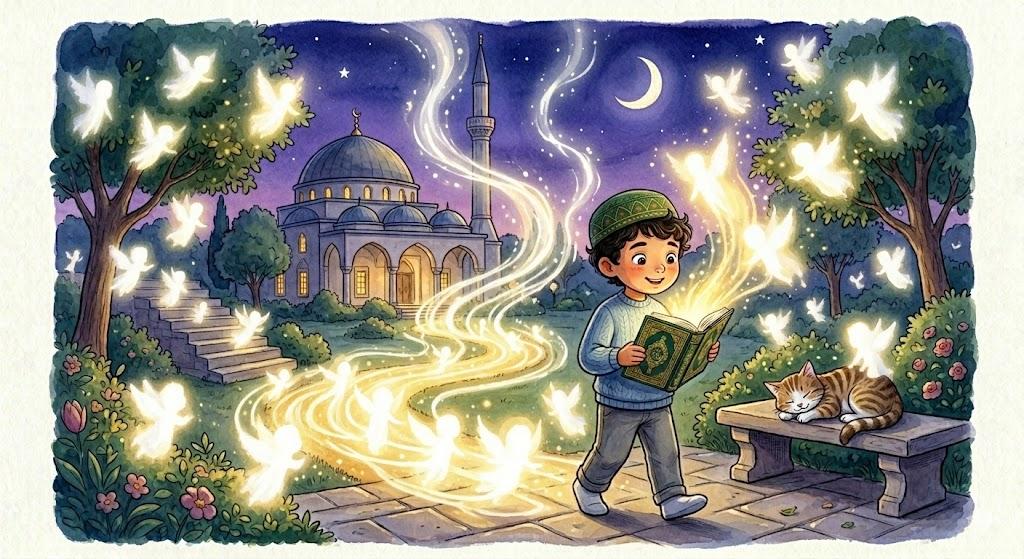
Generated by Artificial Intelligence.
When is Laylat al-Qadr?
The exact date of Laylat al-Qadr is not specified in the Quran. However, the Prophet Muhammad recommended searching for it during the odd-numbered nights of the last ten days of Ramadan (the 21st, 23rd, 25th, 27th, or 29th nights). The majority of Islamic scholars and Muslim communities agree that this night falls on the 27th night of Ramadan.
Generated by Artificial Intelligence.
Laylat al-Qadr in Our Culture
Throughout history, Laylat al-Qadr has been celebrated with great enthusiasm in Muslim societies and has enriched social life in many ways:
- Naming Traditions: Children born on this night are often given the names "Kadir" or "Kadriye" in commemoration of the night.
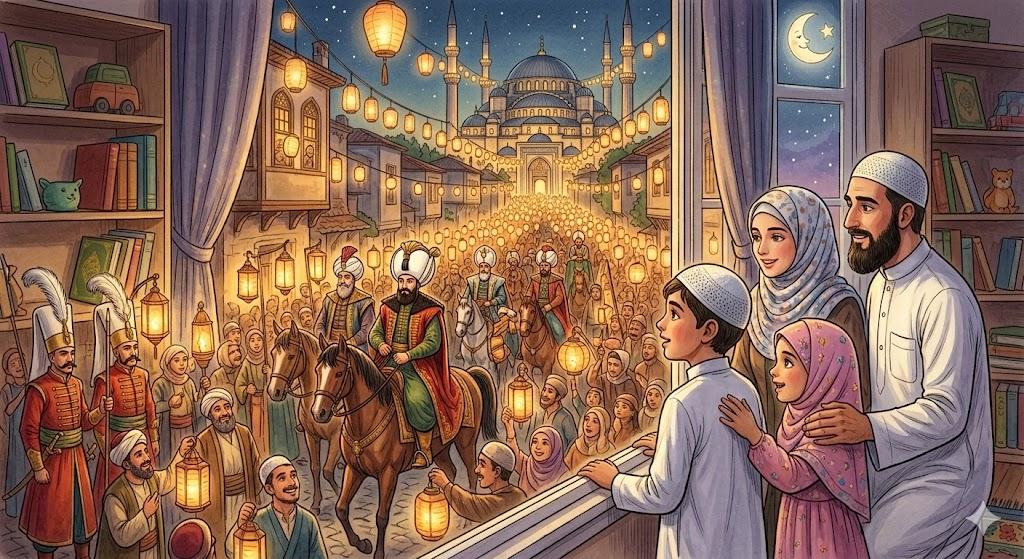
- Laylat al-Qadr Processions: During the Ottoman period, sultans and state officials would travel to major mosques on this night along illuminated streets lit by lanterns, accompanied by the public; this tradition was known as the "Laylat al-Qadr Procession."
- Mahya Lights: Illuminated messages and images were hung between the minarets of mosques to celebrate this special night; these are called "mahya."
- Prayers and Sharing: Muslims spend this night in mosques praying, reciting the Quran, and offering good wishes to one another.