




Lemming
Lemmings (Lemmus spp.) are small rodents belonging to the same family as hamsters and field mice. They are resilient and active inhabitants of Arctic tundra regions.
One of the most distinguishing features that set them apart from other rodents are their short ears and dense, soft fur. Their rounded bodies and short tails are also notable. The tail plays a role in conserving body heat rather than aiding balance.

Lemming (pexels)
What Colors Do They Have?
The fur color of lemmings varies by species and season. During summer months, most lemmings are brown, gray or yellowish-brown in tone.
Some species turn completely white in winter, allowing them to blend into the snow. Other species do not change color in winter and maintain similar tones throughout the year. Their undersides are generally lighter in color.

How Large Do They Grow?
In the wild, lemmings typically live for 1 to 2 years. However, they reproduce very rapidly and can produce multiple litters within a single year if food is abundant. Their body length generally ranges from 13 to 18 cm, and their weight is approximately 23 to 34 grams, depending on the species.
What Do They Eat?
Lemmings are herbivores: they feed on moss, grass, sedges, roots, leaves, and sometimes fruits and lichens (fungus-like organisms). In winter, they can find these food sources beneath the snow.
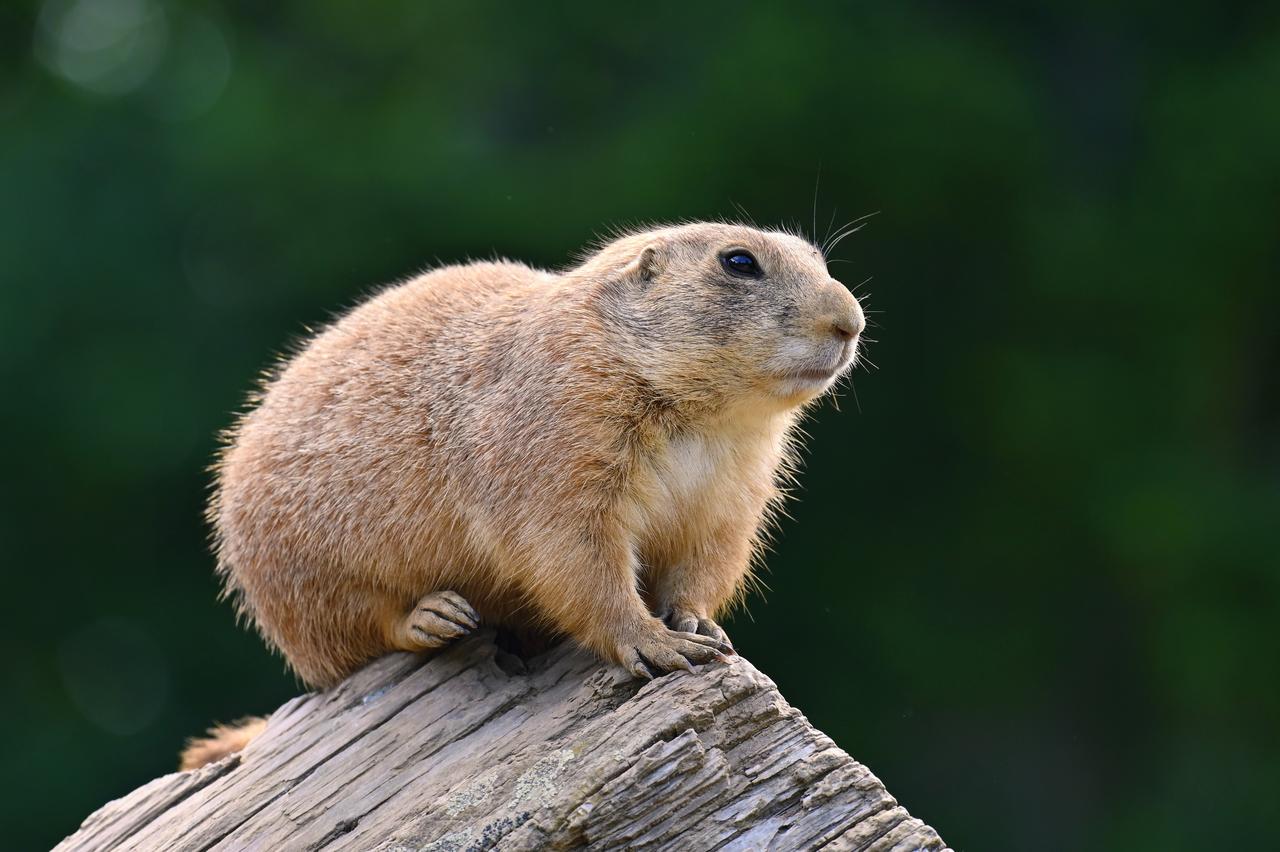
Lemming (Freepik)
Where Do They Live?
Lemmings typically inhabit tundra ecosystems in northern regions of North America, Europe and Asia. They are well adapted to cold climates and build nests in tunnels beneath the snow and in the soil. These tunnels serve both to store food and to provide protection from predators.
Contributions to the Ecosystem
Lemmings are a primary food source for predators such as foxes, owls and other carnivorous animals in northern ecosystems. Fluctuations in lemming populations directly affect the numbers of species like foxes, owls and predatory mammals. By consuming vegetation, they also help shape the balance of the tundra ecosystem.
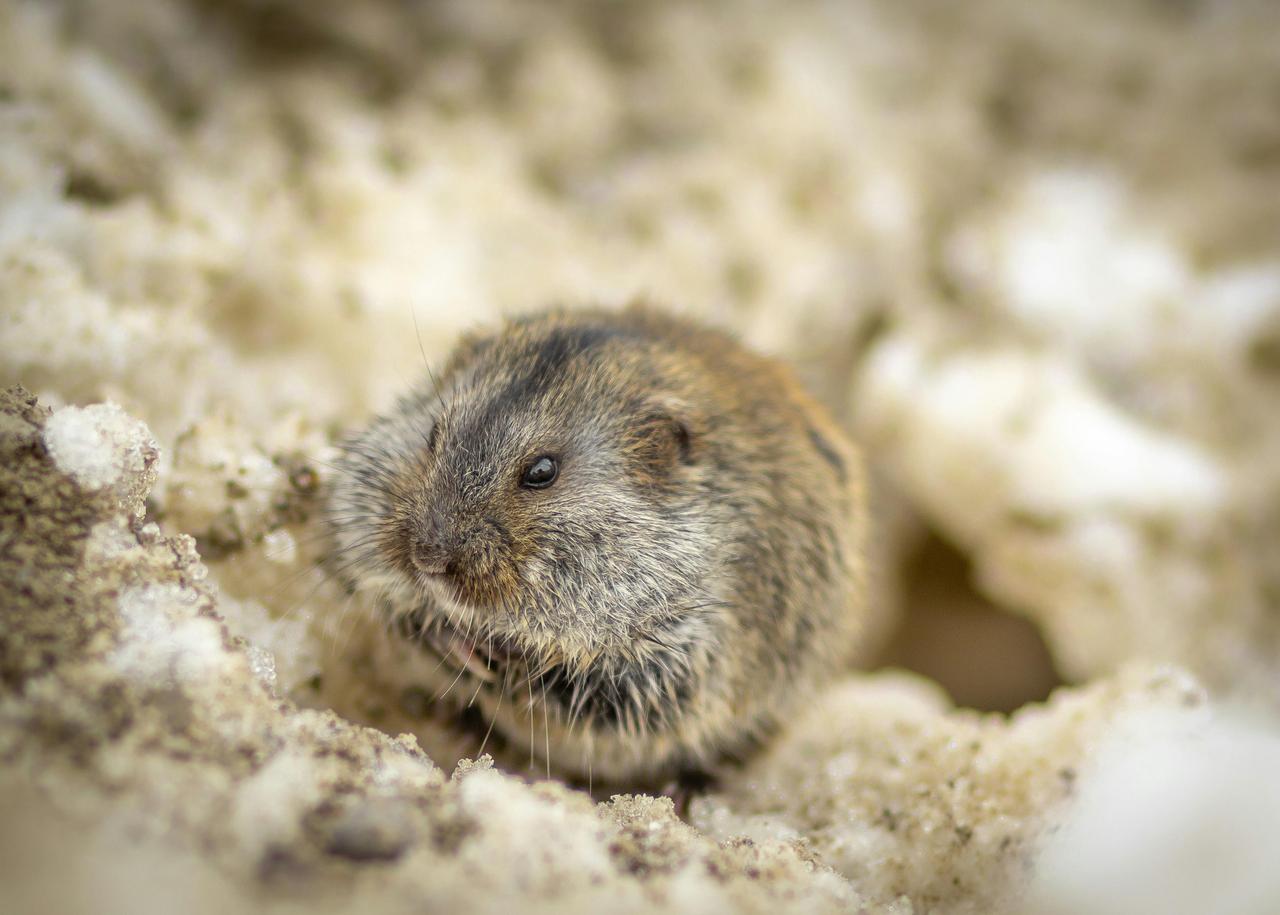
Lemming (Pexels)
Conservation Status
Many lemming species are classified by the International Union for Conservation of Nature (IUCN) as “Least Concern”. This indicates that, for now, they do not face serious threats in their natural habitats.