




Meyveli Village Mosque - Rize
Meyveli Köyü Camii is a historic wooden structure located in the city of Rize, nestled in the greenery of the Black Sea region. Mosques are places where people gather for worship and to make important decisions. You may have seen a mosque in your own neighborhood. Meyveli Köyü Camii, however, holds a special place due to its construction method and age.
Time Travel: What Happened in 1871?
This mosque was built in 1871, that is, more than 150 years ago. At that time, technology was not as advanced as today, and people constructed buildings primarily using natural materials available in their surroundings. It is known from an old inscription (kitabe) on its door that this mosque was commissioned by a man named Mustafa bin Alişan.
Meyveli Köyü Camii (Culture Portal)
What Kind of Structure Is It?
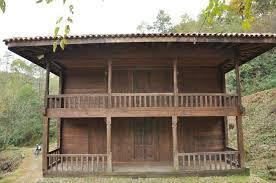
The mosque is built in two stories. From the outside, its entire wooden construction immediately catches the eye. In the Black Sea region, trees abundant in the local environment were commonly used for building homes and mosques.
What Is Its Architecture Like?
Meyveli Köyü Camii belongs to the group of “wooden (çantı) mosques” frequently found in the Black Sea region. The çantı technique refers to the method of interlocking wooden pieces together like puzzle parts. In this mosque, the wooden elements are securely joined using a special method known as Kurt ağzı.
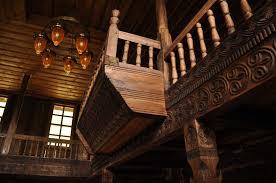
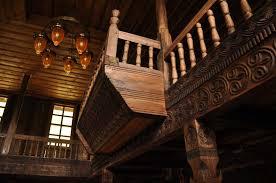
This mosque does not have a minaret (the tall tower from which the call to prayer is made). Its roof is of the broken roof type, sloping in multiple directions. Inside, areas such as the minbar (the pulpit from which sermons are delivered) and the women’s gallery (the section designated for women’s worship) are decorated with floral and geometric patterns.
Meyveli Köyü Camii (Culture Portal)
What Is Its Purpose?
This structure is not merely a place of worship; it is also an important example of Black Sea architecture and woodworking traditions preserved from the past to the present. At one time, the ground floor was used as a medrese (a place of education in earlier times). Thus, it served as a gathering point for both worship and learning.