



Northern Rock Penguin
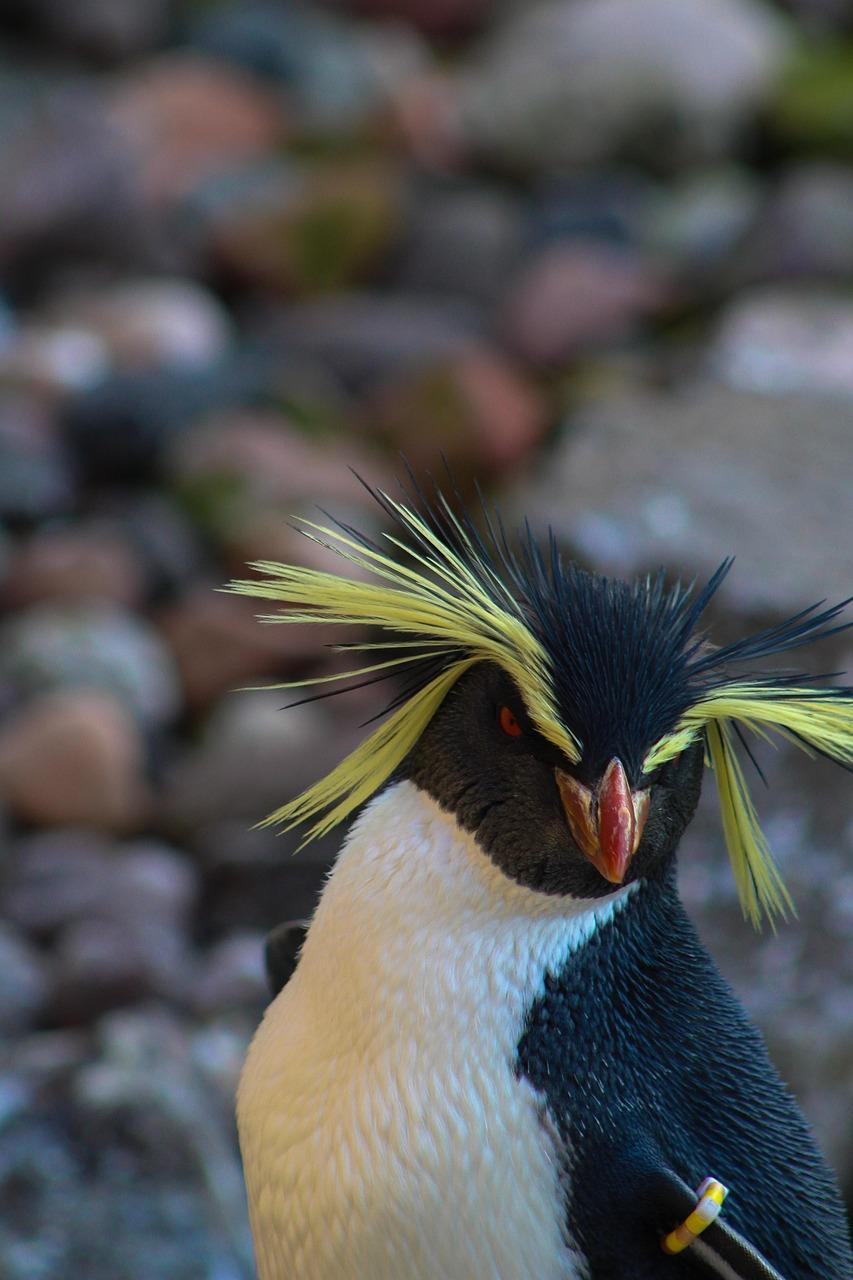
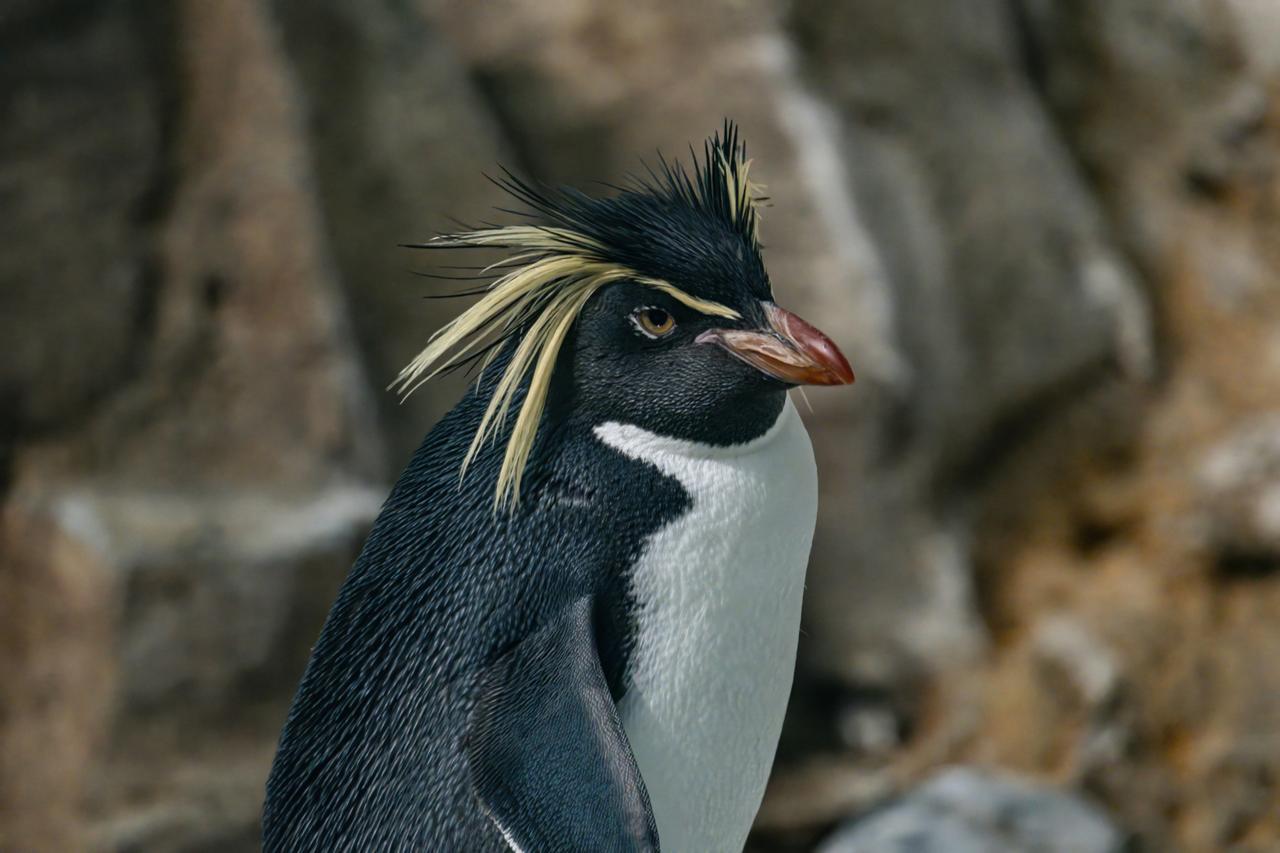
The Northern Rockhopper Penguin (Eudyptes moseleyi) belongs to the penguin family. It is one of the energetic and strikingly colorful creatures of ocean coastlines. One of its most distinguishing features from other penguins is the bright yellow crest feathers on top of its head. It also has a strong appearance due to its black-and-white plumage.
Northern Rockhopper Penguin (Pixabay)
What Are Its Colors?
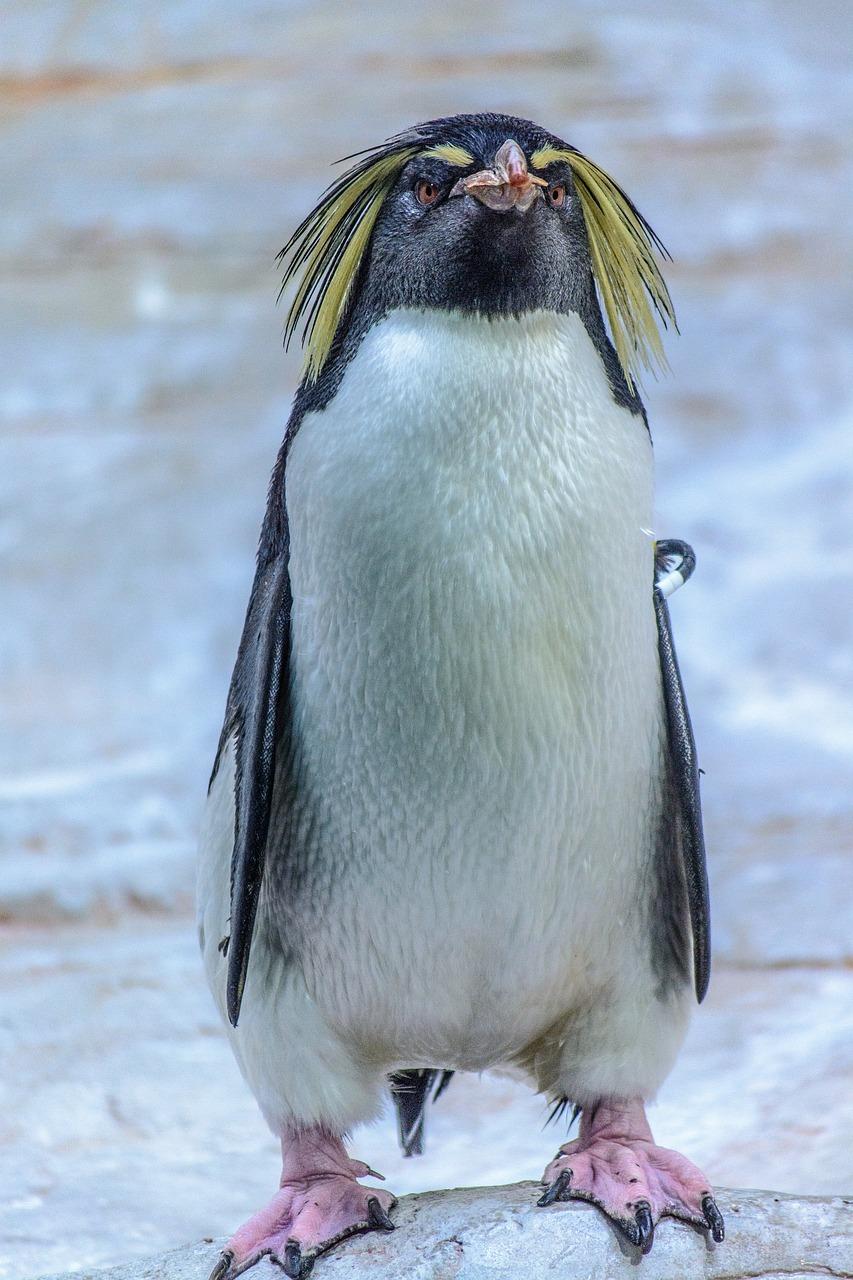
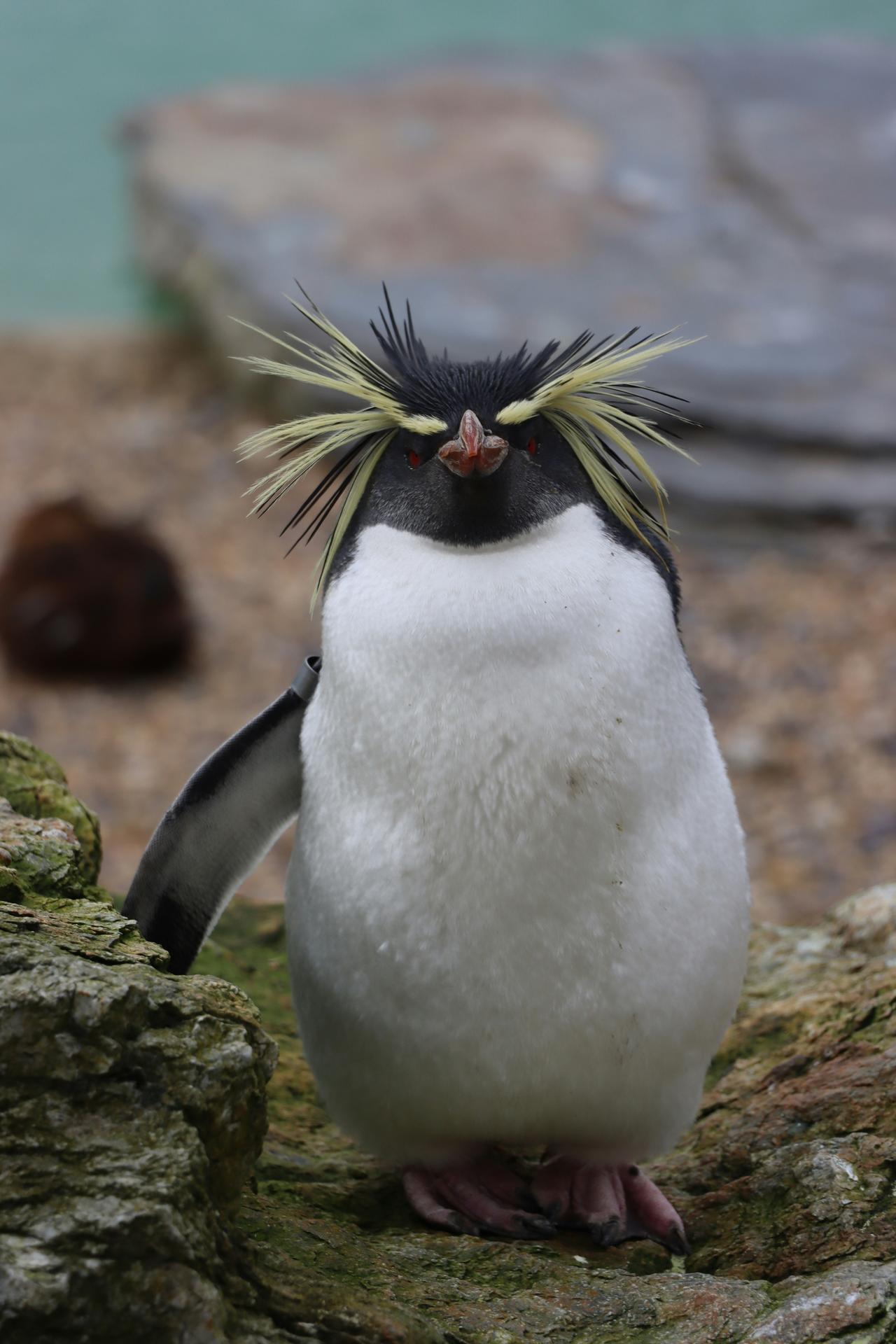
Its back is black and its belly is pure white. It has long yellow feathers above its head and beside its eyes. Its beak is orange and its feet are pink. These colors make it easily recognizable to both its peers and scientists.
How Large Do They Grow?
They have an average height of 45–58 cm and weigh between 2 and 4.5 kilograms. That is about half the height of a child, yet they are very fast and agile swimmers!
Northern Rockhopper Penguin (Unsplash)
How Long Do They Live?
In the wild they live approximately 10 to 30 years. However, predators, difficulties in finding food, and harsh weather conditions can threaten their survival.
What Do They Eat?
Northern Rockhopper Penguins feed on small marine creatures they hunt in the ocean. They primarily eat krill, tiny crustaceans. Fish and squid are also among their favored foods. Due to their exceptional swimming and diving skills, they have no trouble catching their prey.
Northern Rockhopper Penguin (Unsplash)
Where Do They Live?
Northern Rockhopper Penguins inhabit rocky islands in the Indian and Atlantic Oceans. They are most commonly seen around Tristan da Cunha and Gough Island. During the breeding season they nest on rocky coastlines but spend most of the year in open seas. These habitats provide them with both food and safe conditions for reproduction.
Conservation Status
The Northern Rockhopper Penguin is classified as “Endangered” by the International Union for Conservation of Nature (IUCN). This indicates that the species has experienced a significant population decline and is at risk of extinction. To prevent this, humans must practice fishing responsibly and protect natural habitats.