




Parody
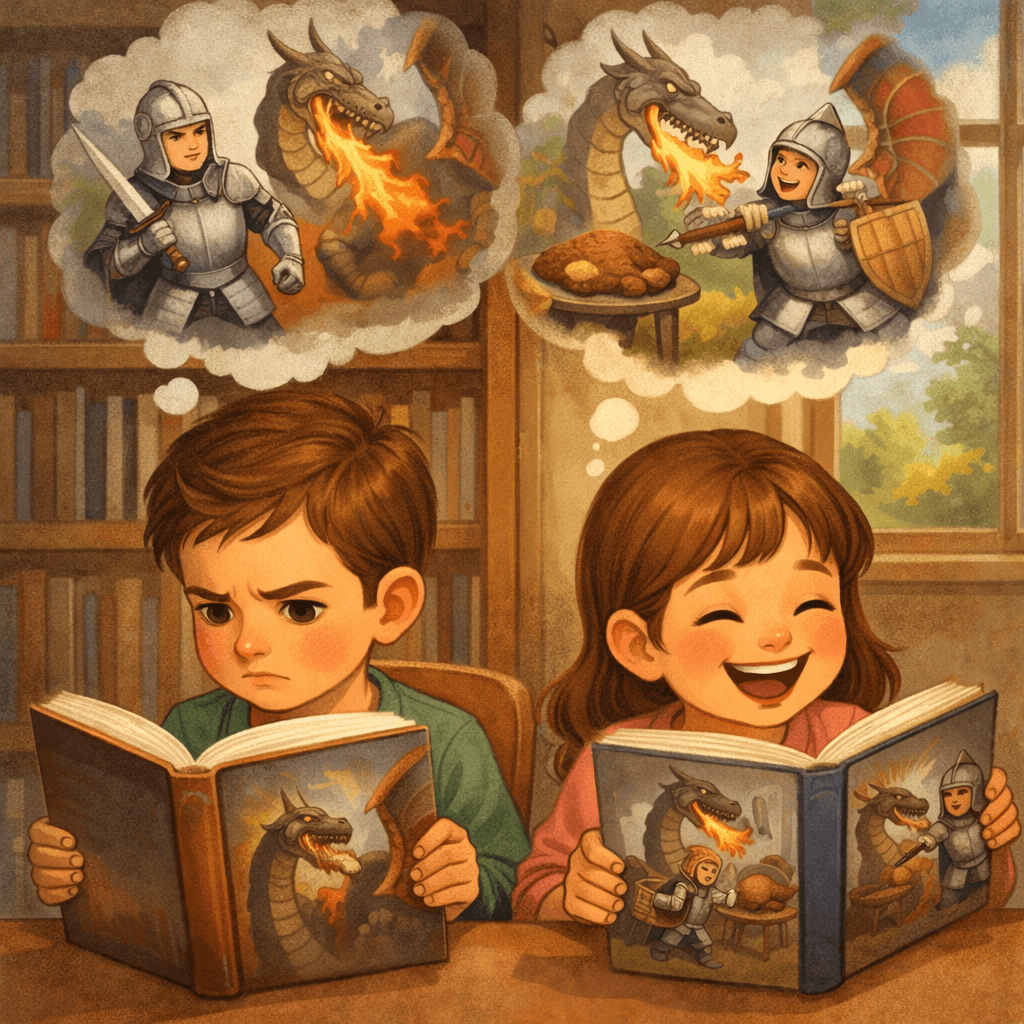
Parody is the playful reuse of a serious text, situation, or narrative. The form remains similar, but the meaning changes, producing a humorous effect.
Parody can encourage children to view and think about what they read and watch from a different perspective.
class=\
How Does Parody Work?
Parody transforms an existing text or content without copying it exactly. It creates a distance between the original meaning and the new interpretation. This distance makes the text both humorous and thought-provoking.
The aim of parody is to prompt questioning of the subject matter and to present it from a different angle. Therefore, parody does not merely entertain—it also stimulates reflection.
Parody and Laughter
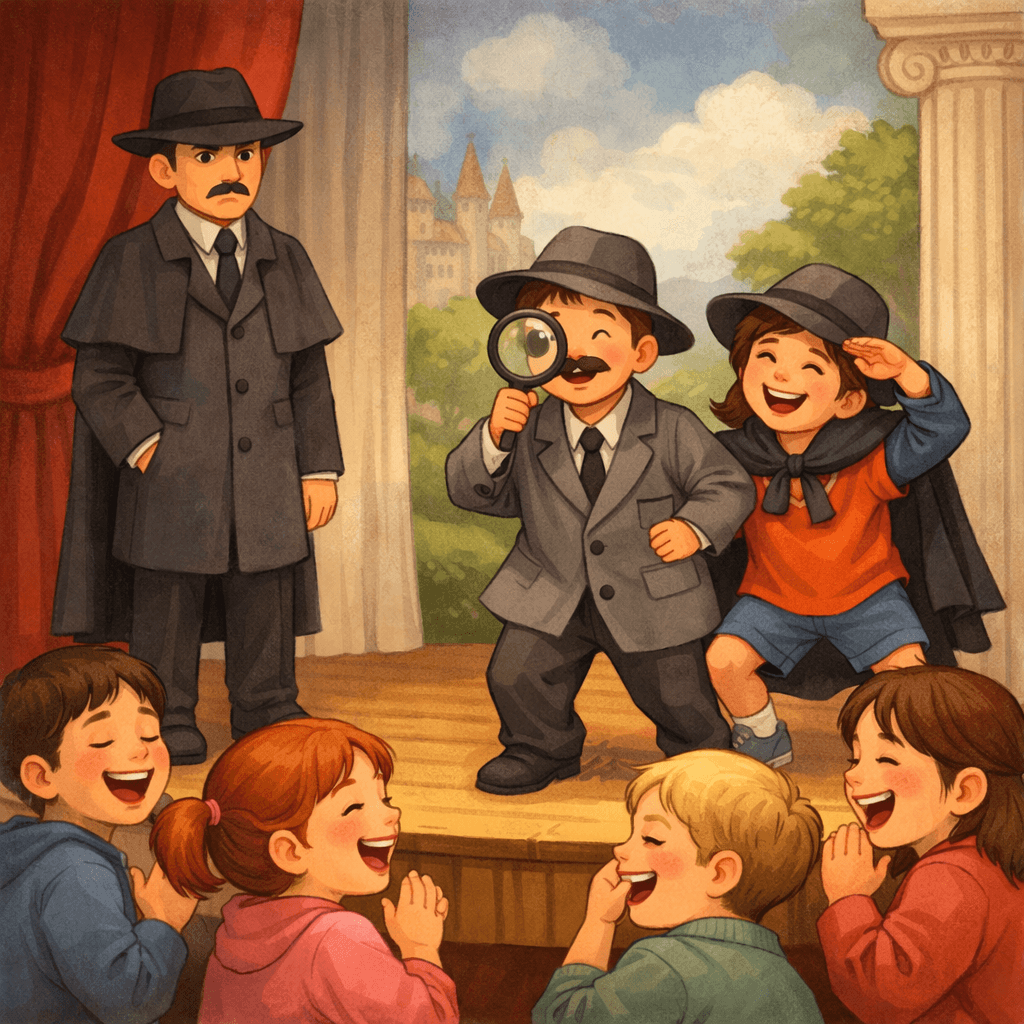
The humorous effect in parody is essential. It arises from the unexpected use of a serious narrative. Parody exploits the contrast between seriousness and playfulness. For this reason, parody is associated with satire and comedic transformation.
class=\
How Is Parody Created?
First, a well-known text or narrative is selected. Then, its subject or meaning is altered. The resulting new text resembles the original but is not identical. This difference is what constitutes the parody.
Where Is It Found?
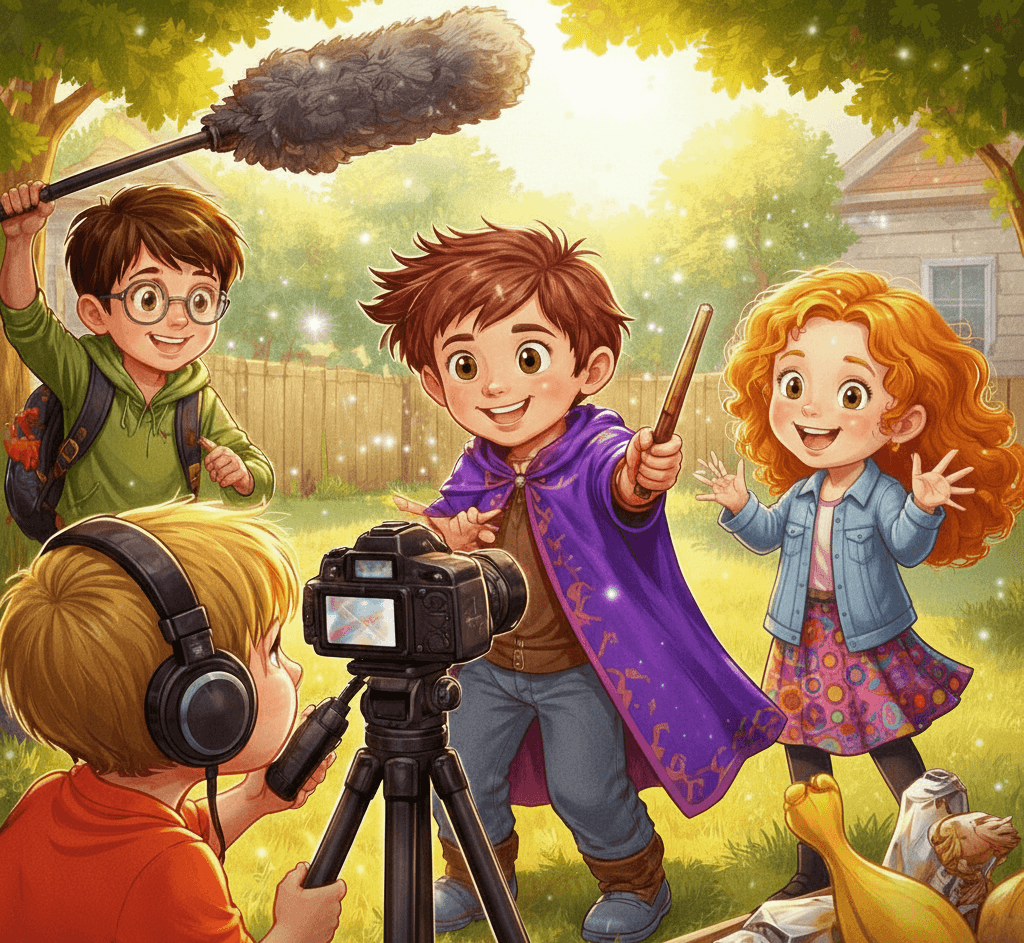
Parody has been used in literature since ancient times. It appears in epics, poems, stories, and novels. Today, parody is found not only in books but also in everyday life.
class=\
Parody Content on Social Media
On social media, parody content and parody accounts produce material that imitates famous individuals or well-known narrative styles. If it is not clearly indicated that something is a parody, confusion may arise, as posts may be mistaken for genuine content. Therefore, it is important to be able to distinguish parody accounts.