




Philanthropy
Altruism is the act of doing good for another person or living being without expecting anything in return. It is not limited to material assistance; offering emotional support, giving someone your time, or speaking kindly to them are also acts of altruism. Altruism is a powerful bond that unites people and all living beings. This behavior brings happiness to both the helper and the one helped. The person who helps experiences inner peace and joy through their good deed, while the person who receives help feels less alone and filled with hope.
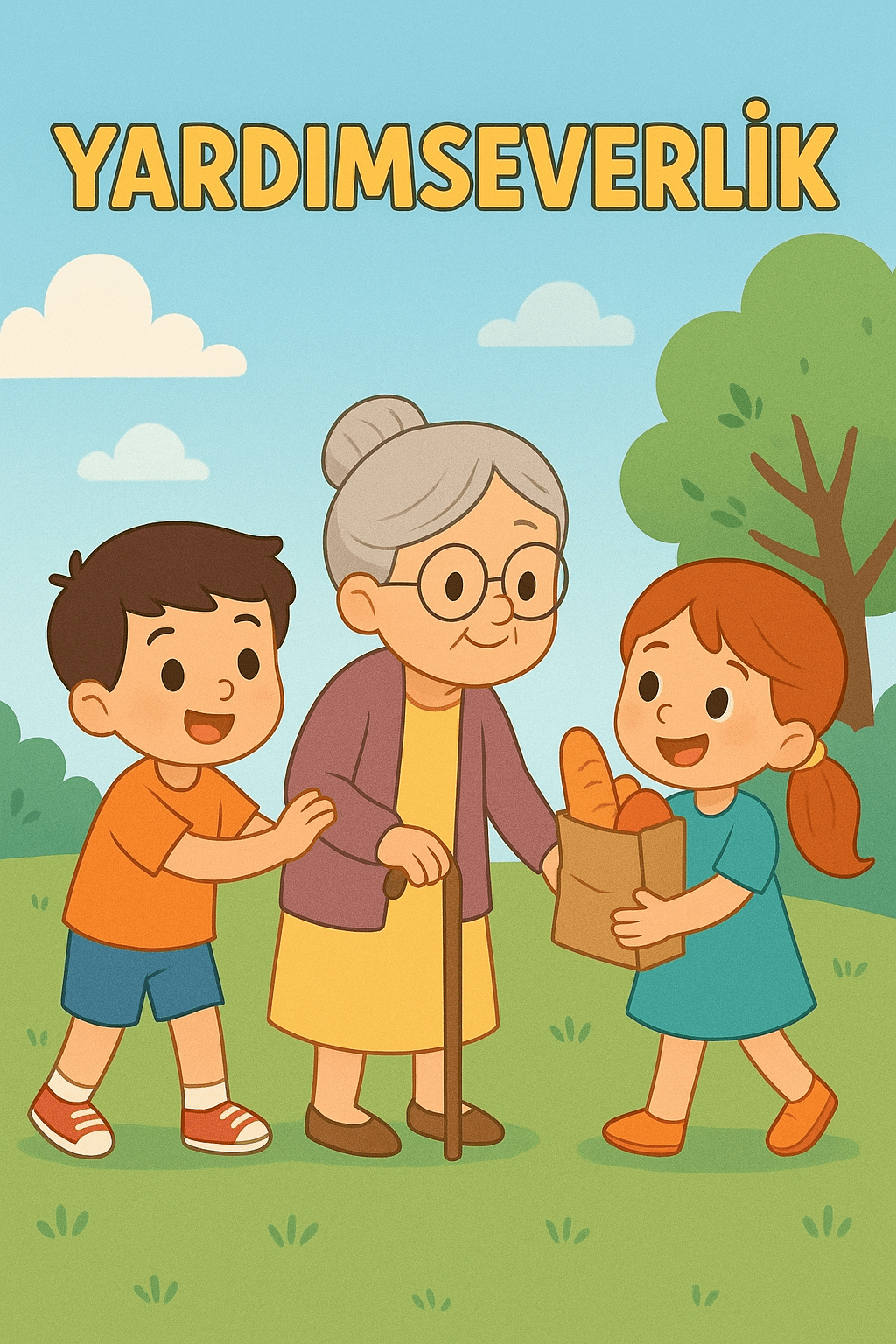
Altruism (Generated by Artificial Intelligence.)
At the core of altruism lies an important emotion called empathy. Empathy involves putting ourselves in another person’s place to understand their feelings and needs. When we are able to empathize, we better comprehend the difficulties faced by those around us and feel a desire to help them. Altruism strengthens social solidarity and helps create a more livable world.
Causes and Consequences of Altruism
Altruism is not merely a personal virtue but a social necessity. Throughout human history, altruism has enabled societies to survive and thrive. In the face of natural disasters, epidemics, or harsh living conditions, people have grown stronger by helping one another. Altruism increases trust within a society and allows individuals to feel safer.
In an altruistic society, feelings of loneliness and helplessness among individuals decrease. Everyone knows that there are people who will stand by them during difficult times. This positively contributes to individuals’ mental health and strengthens social bonds. At the same time, examples of altruism serve as strong role models, especially for children and young people. Children who witness altruistic behavior are likely to adopt it in their own lives.
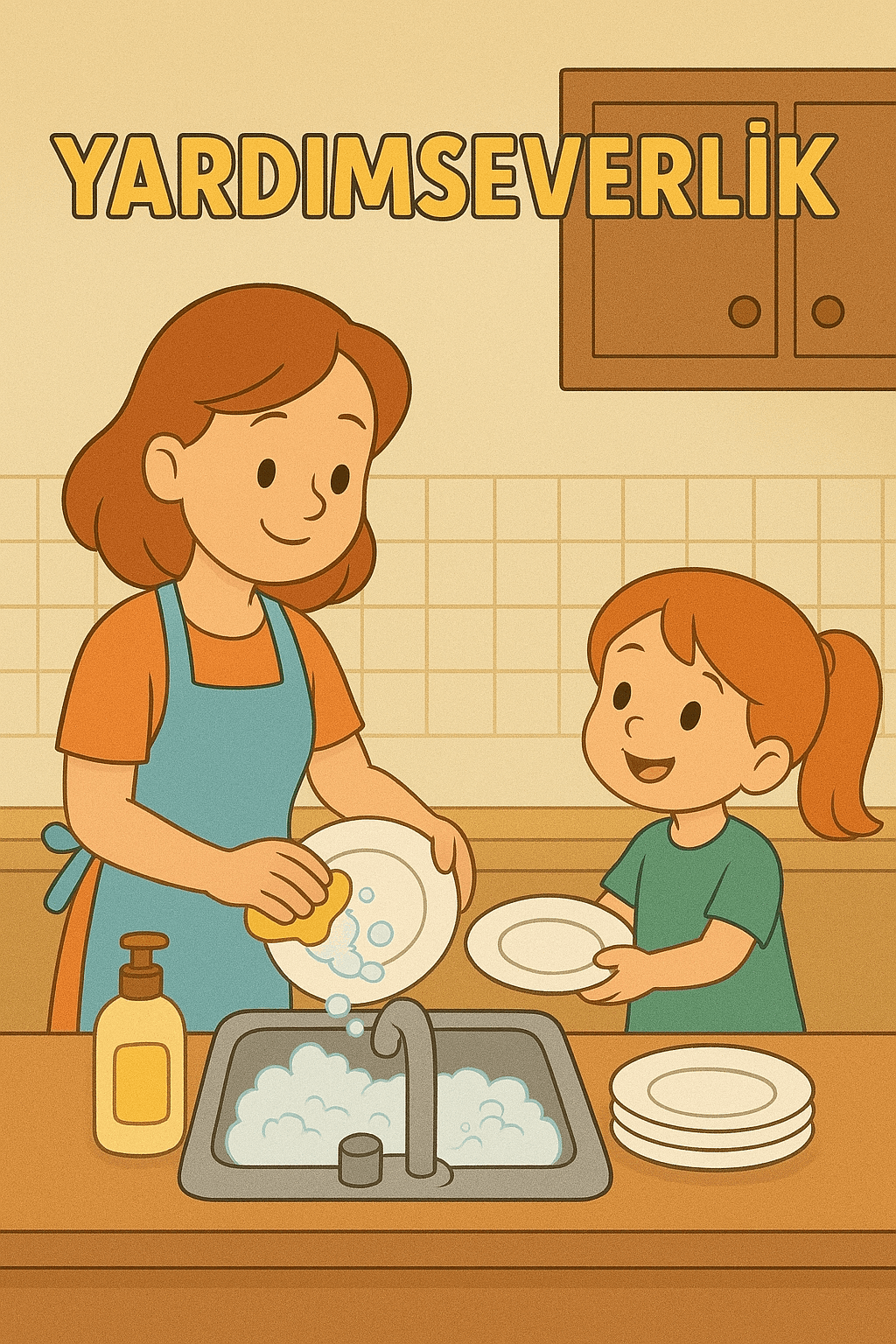
Altruism (Generated by Artificial Intelligence.)
Ways to Be Altruistic
Being altruistic does not always require grand gestures. We can make a significant difference in our surroundings through small actions.
At home: Helping family members with household chores, supporting a younger sibling with their homework, taking care of a pet.
At school: Picking up a classmate’s dropped items, helping a friend who is struggling with a subject, volunteering to assist a teacher.
Outdoors: Placing a bowl of water or food near the door for stray animals, offering your seat on public transportation to elderly or pregnant people, disposing of trash properly in bins to keep the environment clean.