



Puffin
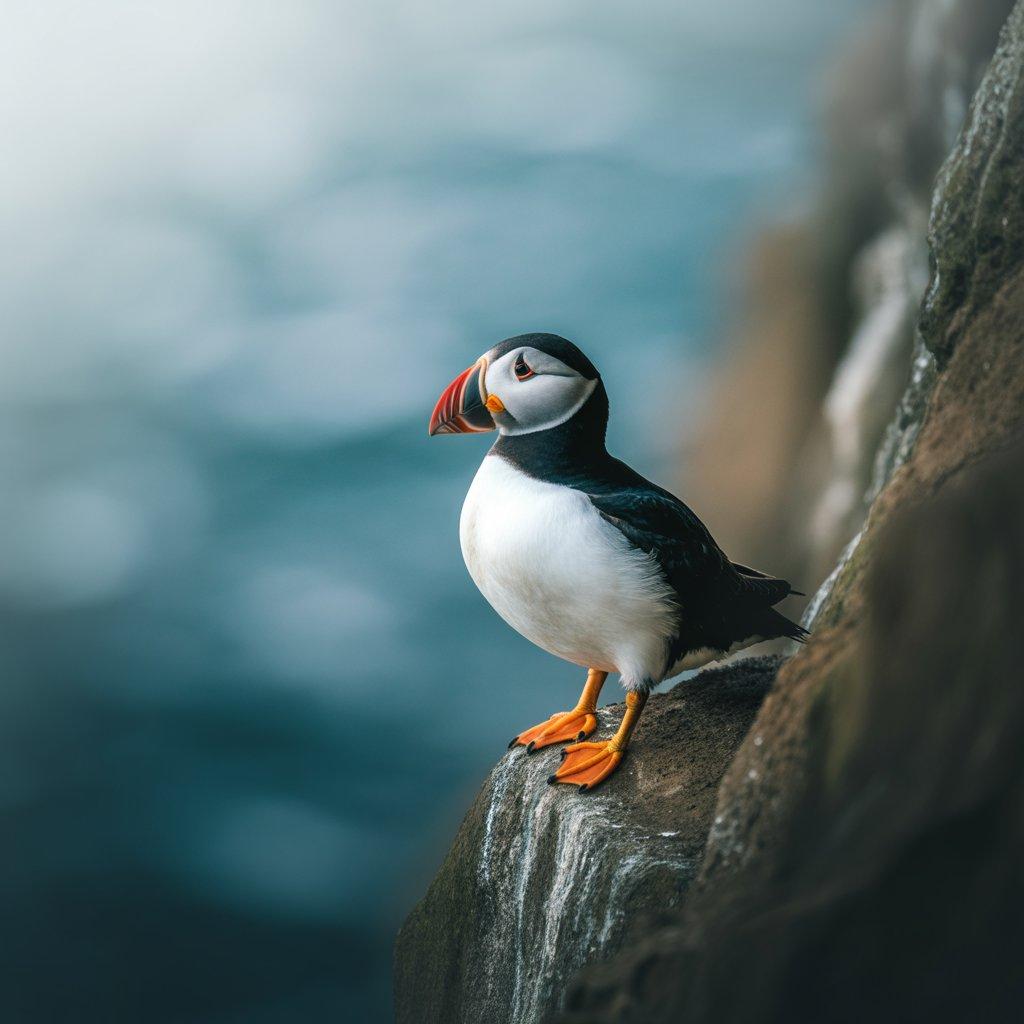
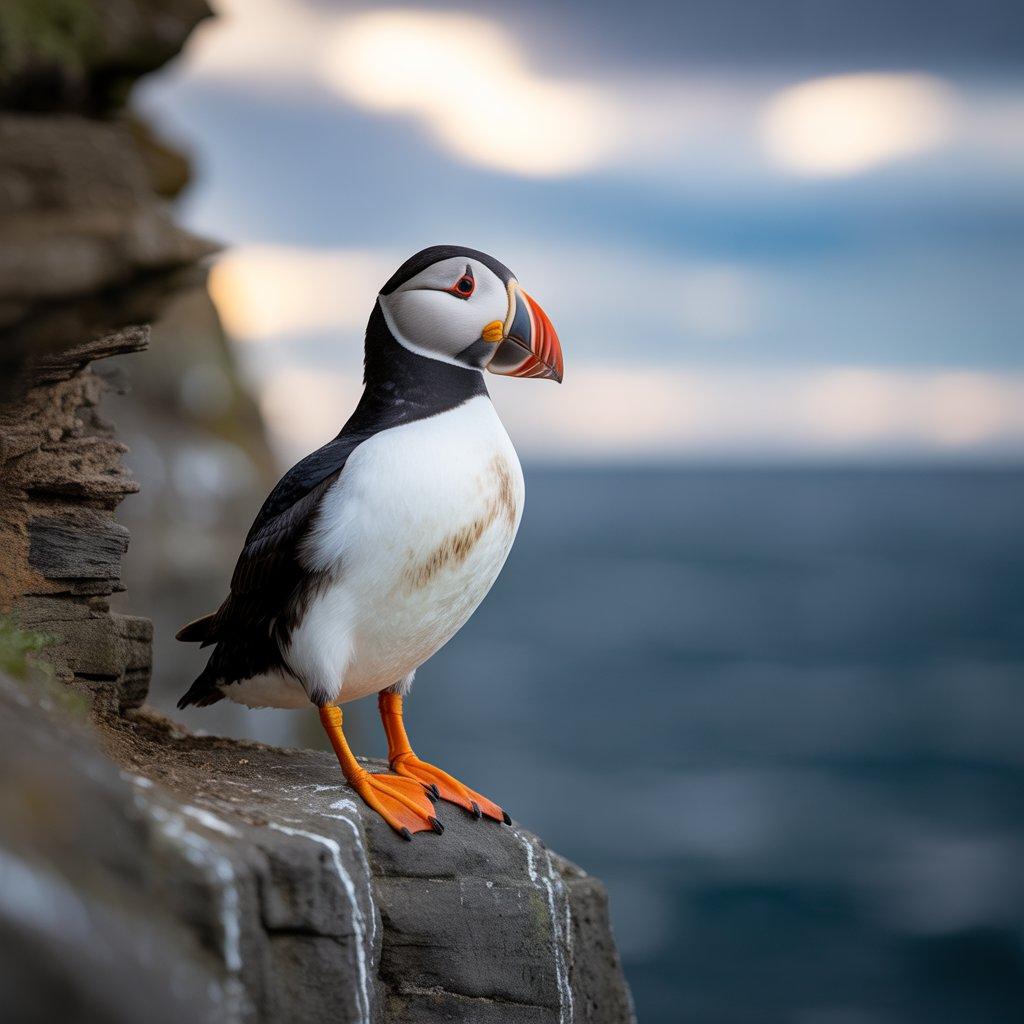
The puffin (Fratercula arctica) belongs to the family Laridae. It is one of the cheerful and colorful birds of the sea. One of its most distinctive features, setting it apart from other seabirds, is its broad beak that turns bright orange and red during the breeding season. Thanks to its beautiful and colorful beak, it is also known as the “clown of the sea” or the “parrot of the sea”.
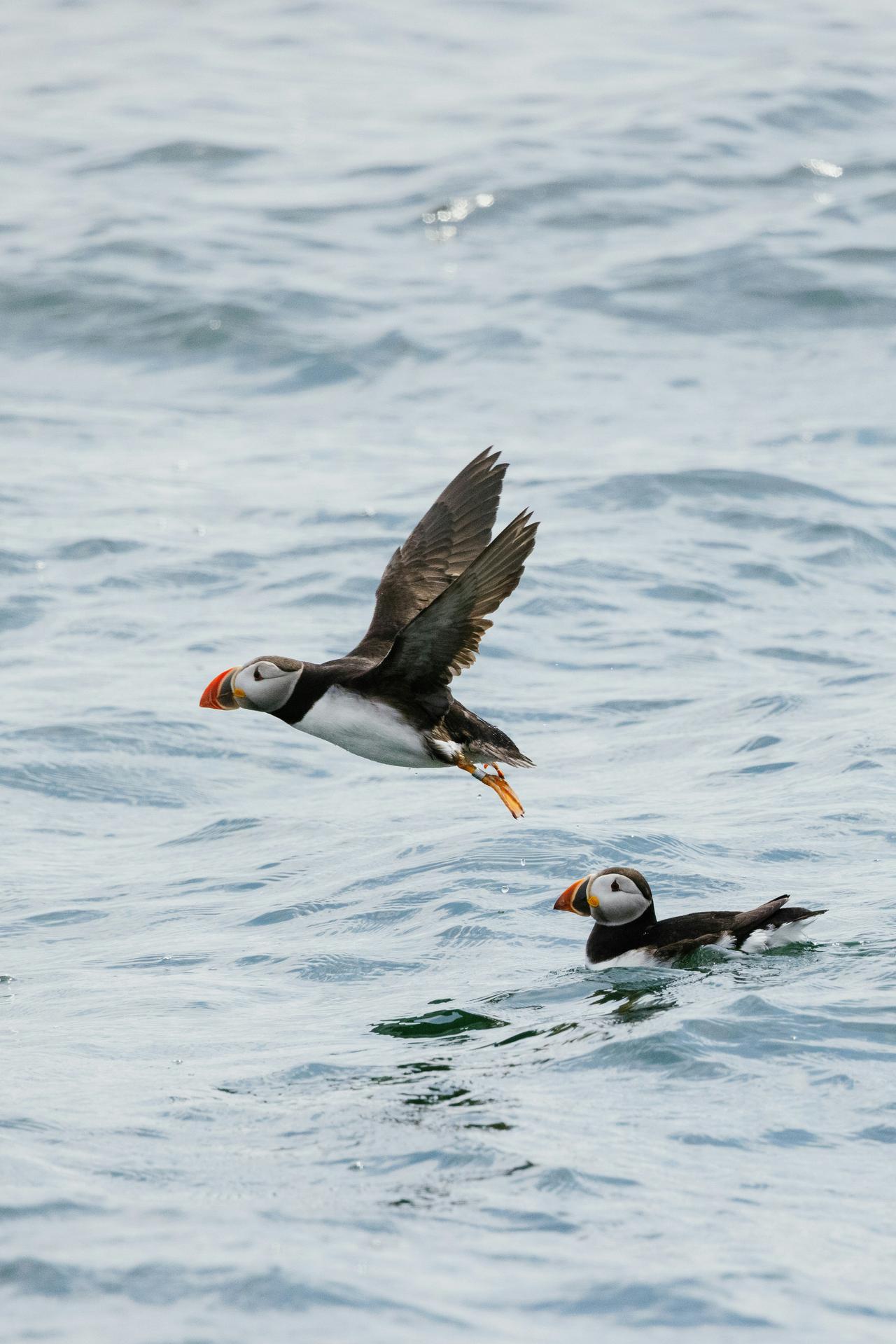
Its black-and-white plumage and orange-webbed feet are also striking. It skillfully uses its wings for both flying in the air and swimming underwater.
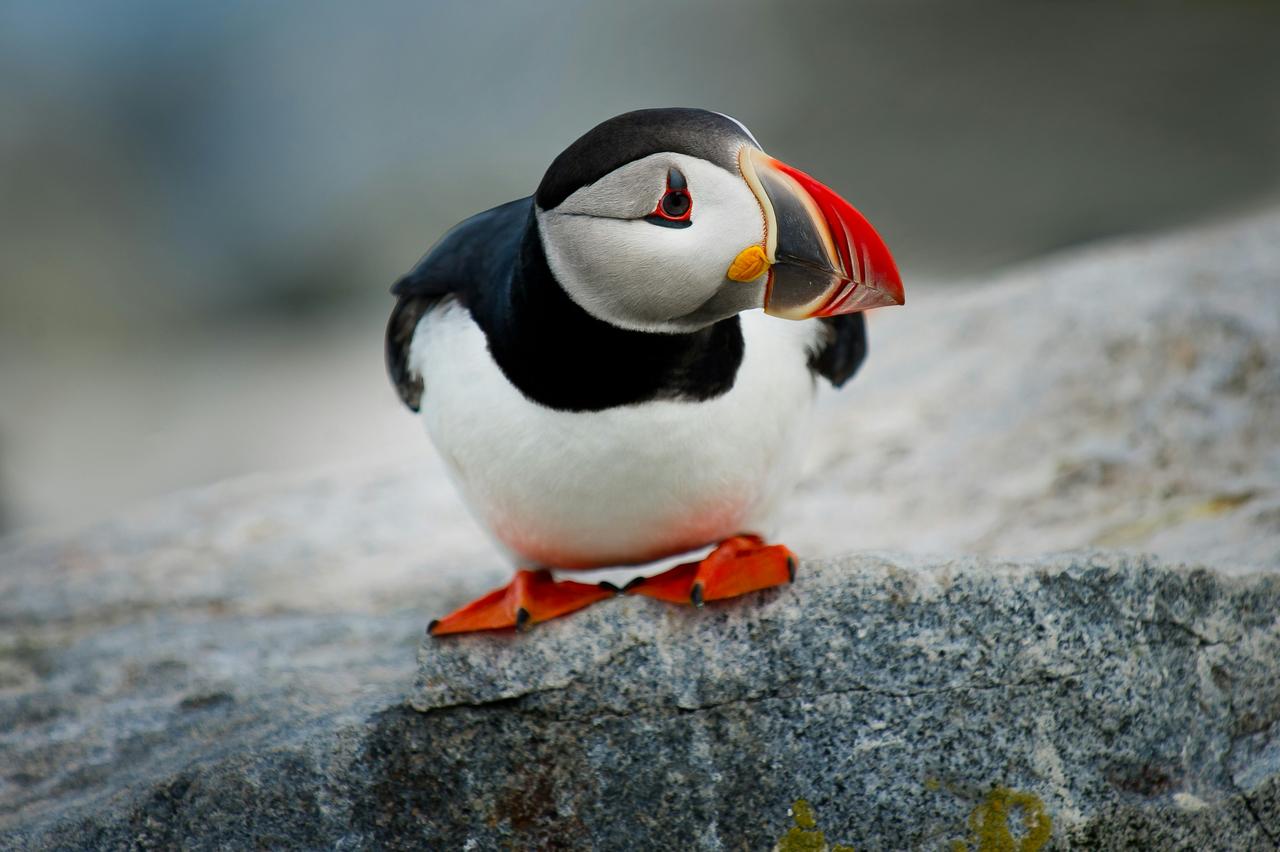
Puffin (Unsplash)
What Are Its Colors?
The upper parts of its feathers are typically black while the underparts are white. It has white cheeks. During the breeding season its beak takes on bright orange red and yellow tones; in winter the beak becomes paler and closer to gray. Its orange-webbed feet retain their vibrant color throughout the year.
How Large Do They Grow?
Their average lifespan is about 20 years. Puffins measure approximately 25–30 cm from beak to tail. Their wingspan ranges from 50–60 cm. Their weight typically varies between 300–500 grams.
Puffin (Unsplash)
What Do They Eat?
Puffins feed in the wild on:
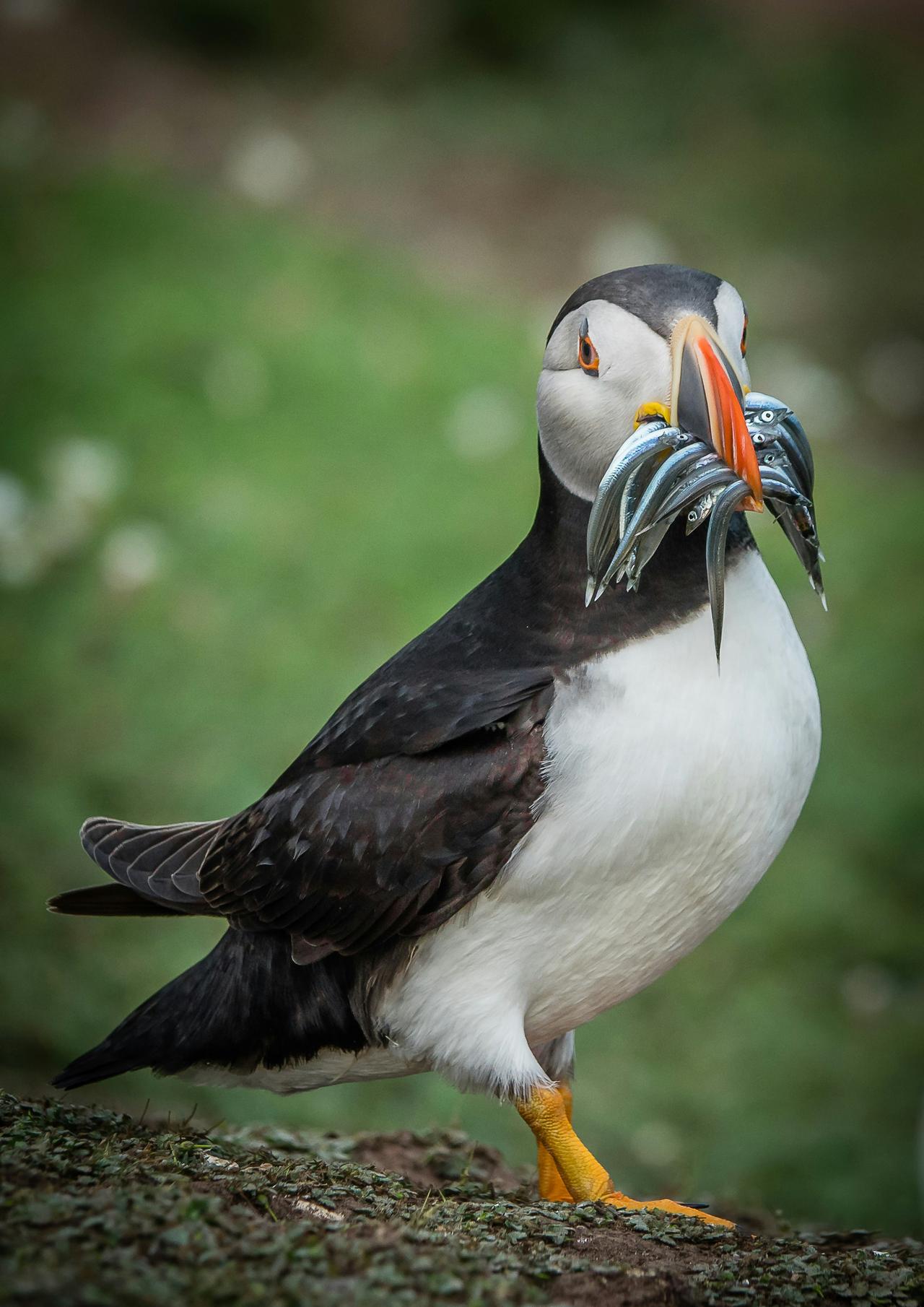
Small fish such as herring mackerel and sand eel and occasionally small crustaceans.
They particularly favor sand eels.
How Do They Swim Underwater?
Their wings are short but powerful. You can observe them using their wings like paddles and steering with their feet while swimming in the sea.
Puffin (Unsplash)
Where Do They Live?
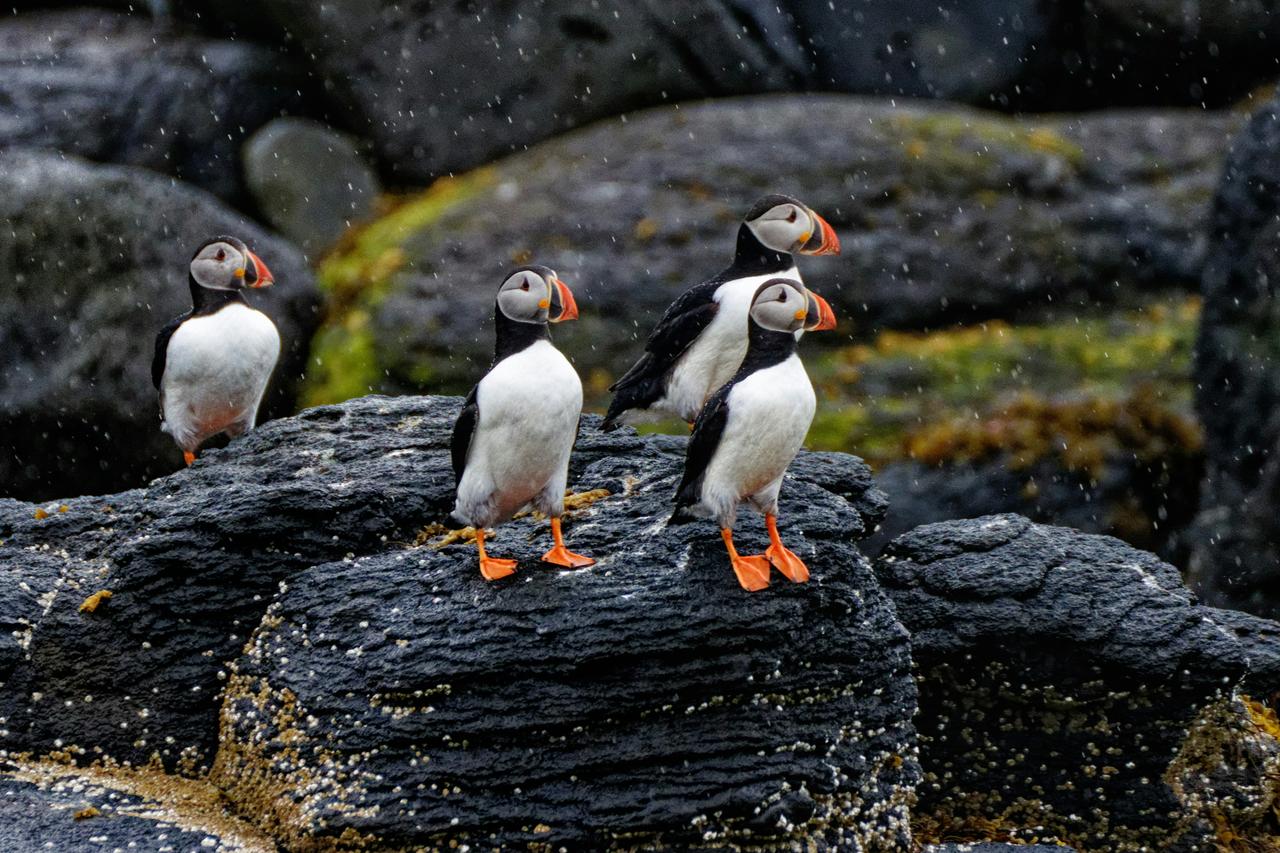
Puffins typically inhabit the cooler regions of the North Atlantic Ocean. During the breeding season they form large colonies on rocky coasts and islands along the shoreline. They are most commonly found around Iceland Norway the British Isles the eastern coasts of Canada and Greenland. They spend most of the year out at sea.
What Is Puffin Family Life Like?
Each spring puffins gather in large colonies. They dig burrows in the soil and line them with grass and feathers. The female usually lays only one egg. Both parents take turns incubating the egg and feeding the chick.
The young puffins are called pufflings. About 40–50 days after hatching they leave their burrows at night and make their way independently to the sea. They are then capable of living on their own.
Puffin (Unsplash)
Contributions to the Ecosystem
Puffins play an important role in the marine ecosystem. By consuming fish they help maintain balanced fish populations. Additionally during the breeding season their burrows on coastal areas provide shelter for other bird species and small creatures. Thus they contribute to biodiversity both in the sea and on land.
Conservation Status
Puffins are classified as “Vulnerable” by the International Union for Conservation of Nature (IUCN). This status indicates that their numbers are in decline and they may be at risk in the future. Declining fish stocks climate change and marine pollution are the main threats facing puffins.