



Riding a Bicycle
On a summer morning, imagine feeling the wind ripple through your hair as you pedal forward. Maybe you’re heading to the park with friends or simply setting out to explore your surroundings. Have you ever wondered how this enjoyable vehicle—the bicycle—came into existence?
The First Bicycles: A Start Without Pedals!
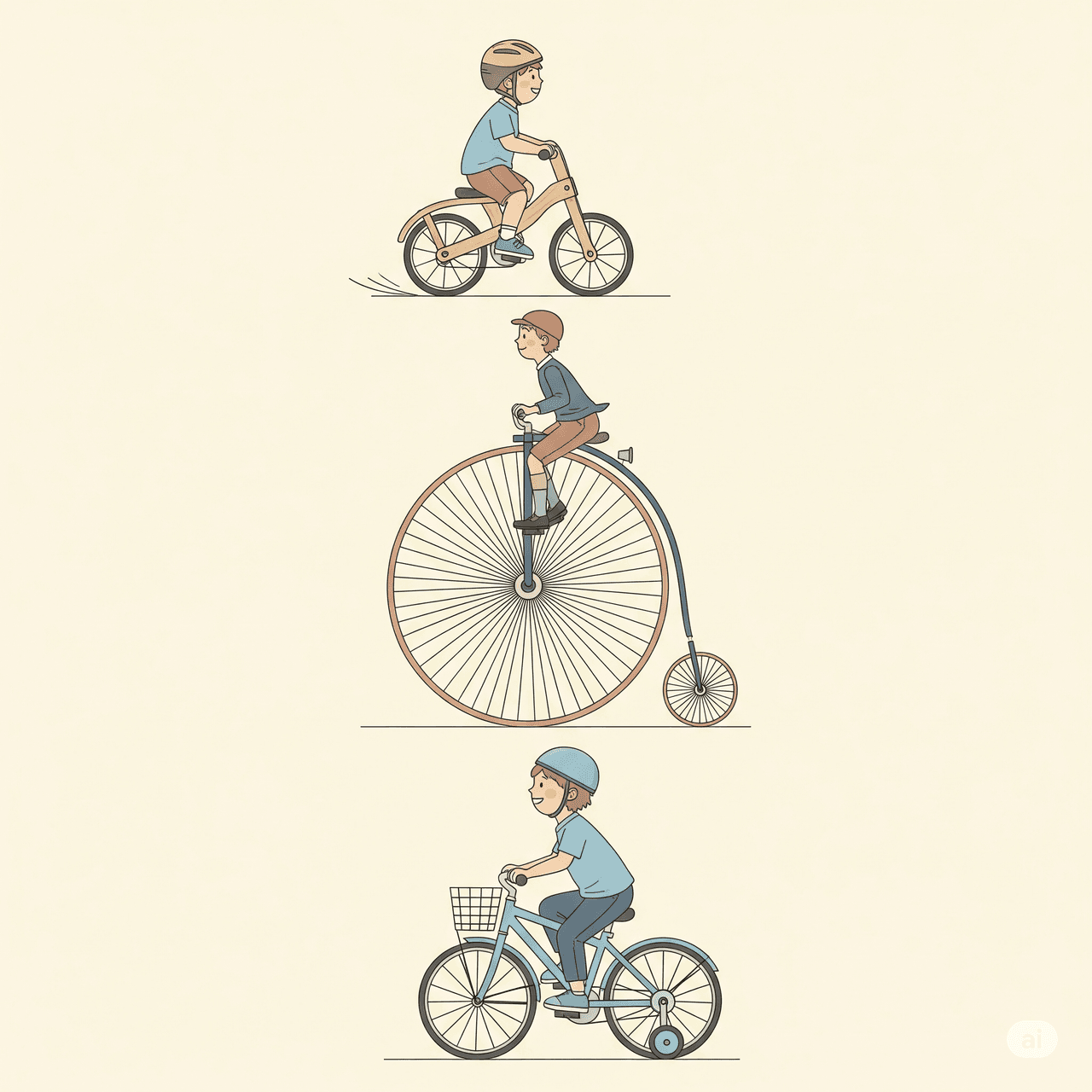
Hundreds of years ago, the earliest bicycles had no pedals! People propelled themselves by pushing their feet against the ground. With no handlebars, they changed direction by leaning their bodies left and right. Although this may seem strange compared to today’s bicycles, it was a major innovation at the time.

The first bicycle designed by Comte de Sivrac(TÜBİTAK Science Young)
The Magic of Pedals
Over time, inventors added pedals. With pedals, riders no longer needed to push off the ground, and bicycles became much faster. However, they were still quite bumpy because the wheels were made of metal! For this reason, bicycles of that era were called “bone-shakers.”

The Bone-Shaker Bicycle(TÜBİTAK Science Young)
The Era of the Large Front Wheel
Eventually, a curious design emerged: a bicycle with a giant front wheel and a tiny rear wheel. This was known as the “penny farthing.” It was fast but required courage to ride—falling off would not be fun at all!

The penny farthing bicycle(TÜBİTAK Science Young)
Modern Bicycles
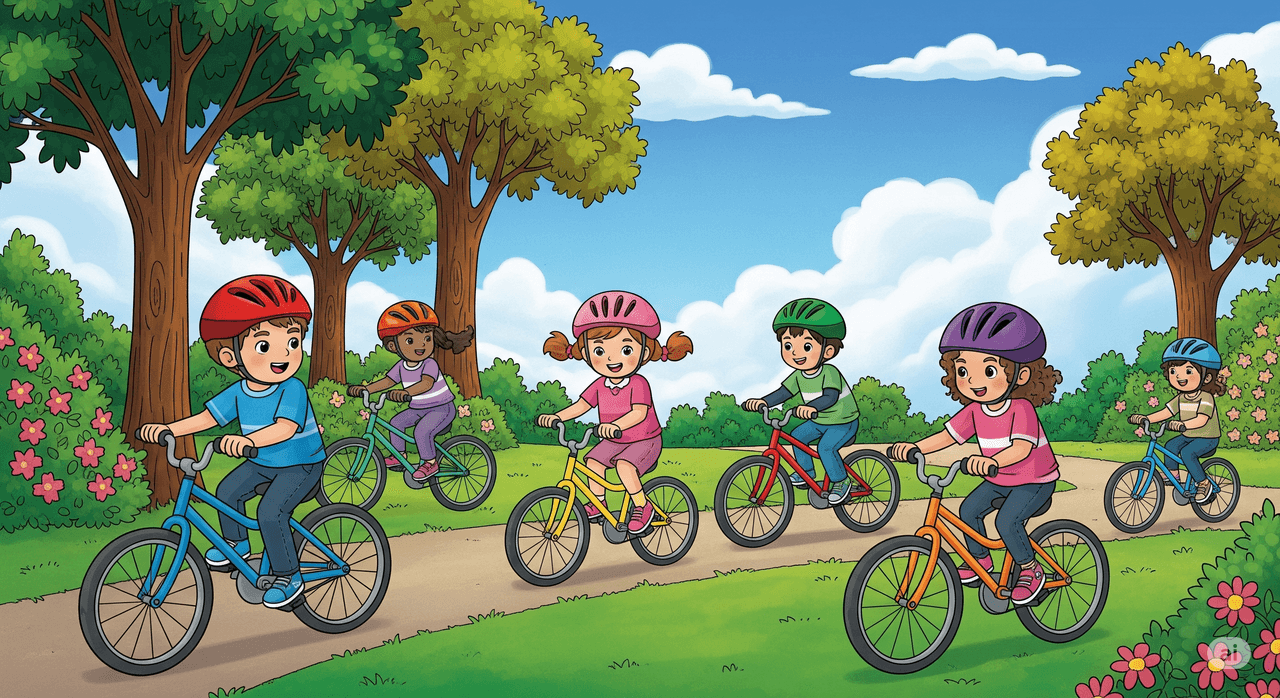
Eventually, the modern bicycle appeared—with equal-sized wheels, a chain, pneumatic tires, and gears. It was now both comfortable and safe. Today, there are many different models, including city bikes, mountain bikes, and racing bikes. It is estimated that there are now over 800 million bicycles worldwide!

Modern bicycles(TÜBİTAK Science Young)