



Sultan Abdülaziz: Artist, Athlete, and Brave Sultan
Among the sultans who sat on the Ottoman throne, one stood out as both a formidable athlete and a gifted artist: Sultan Abdülaziz Han!
🐎 He rode horses at full gallop,
🏹 He shot arrows with precision,
💪🏽 He wrestled with the strongest wrestlers,
🎨 At the same time, he carried colors onto paper with his brush,
🎶 And composed music.
His life was a thrilling journey that stretched from the grand halls of the palace to European royal courts, from painting studios to wrestling arenas.
⛲ A Child Raised in the Palace
Born in Istanbul in 1830, the young prince Abdülaziz was the son of Pertevniyal Valide Sultan and Sultan Mahmud II. He became heir apparent when his elder brother, Sultan Abdülmecid, ascended the throne. His childhood unfolded within the palace, but not only in the throne rooms—he grew up among horses, musical instruments, and vibrant paints.

Representational image of Prince Abdülaziz Han riding a horse (generated by artificial intelligence.)
🏹 The Sultan with an Athlete’s Spirit
Abdülaziz loved not only painting but also sports. He practiced archery, horseback riding, hunting, and especially wrestling with great passion. He was strong, powerful, and built like a wrestler. He wrestled with the best wrestlers and often pinned them to the ground. In the eyes of the people, he became both an artist and a courageous athlete.

Representational image of Prince Abdülaziz Han wrestling (generated by artificial intelligence.)
🎨 Friendship with Colors
He learned painting at an early age and took lessons from renowned artists such as Pierre Guès and Joseph Schranz. With his brush, he painted landscapes, ships, and animals on paper. When he became sultan, he established the first major collection of paintings in the Ottoman Empire at Dolmabahçe Palace. He supported the arts and sent young painters to Europe.

Collection of paintings and visitors (generated by artificial intelligence.)
⚓ The Strong and Curious Sultan
When he ascended the throne in 1861, he won the people’s affection with his vigorous, healthy, and grand appearance. He strengthened the navy and commissioned railways. In 1863 he traveled to Egypt, and in 1867 he visited Europe. He became the first Ottoman sultan to travel to Europe on a peace mission. He met with kings and emperors and introduced them to the Ottoman Empire.
📉 Difficult Times
During his reign, the Ottoman Empire faced economic hardship. Abdülaziz tried to reduce palace expenditures, but debts did not diminish. He had disagreements with some state officials. On 30 May 1876, he was deposed in an event orchestrated by certain administrators.
🌧️ A Sad End
A few days after his deposition, on 4 June 1876, he died at the Ortaköy Feriye Palace. Although there were differing opinions about his death, in the public memory he remained the sultan who had suffered an injustice. His tomb is located in Istanbul, at the site known as Divan Yolu, within the Tomb of Sultan Mahmud II.

Representational image of the Tomb of Sultan Mahmud II (generated by artificial intelligence.)
🎖️His Legacy
Sultan Abdülaziz is remembered as the “painter sultan” of the Ottoman Empire. His support for art, sport, and modernization is still remembered today through the paintings on Dolmabahçe’s walls and the innovations he brought from Europe. His story is that of a sultan who loved color, loved wrestling, and was brave and patriotic.

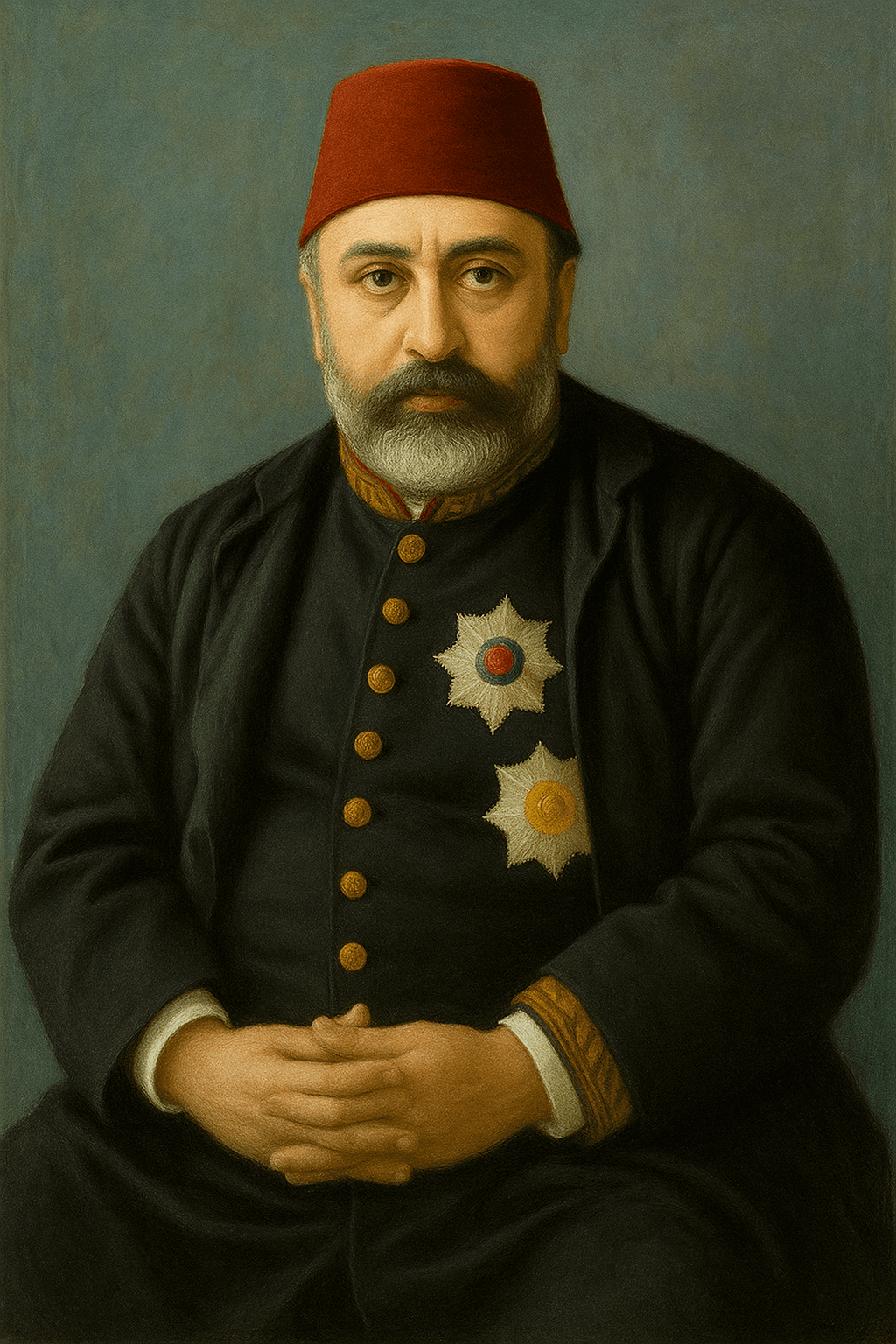
Sultan Abdülaziz Han (generated by artificial intelligence.)