




To Be a Burden to Someone
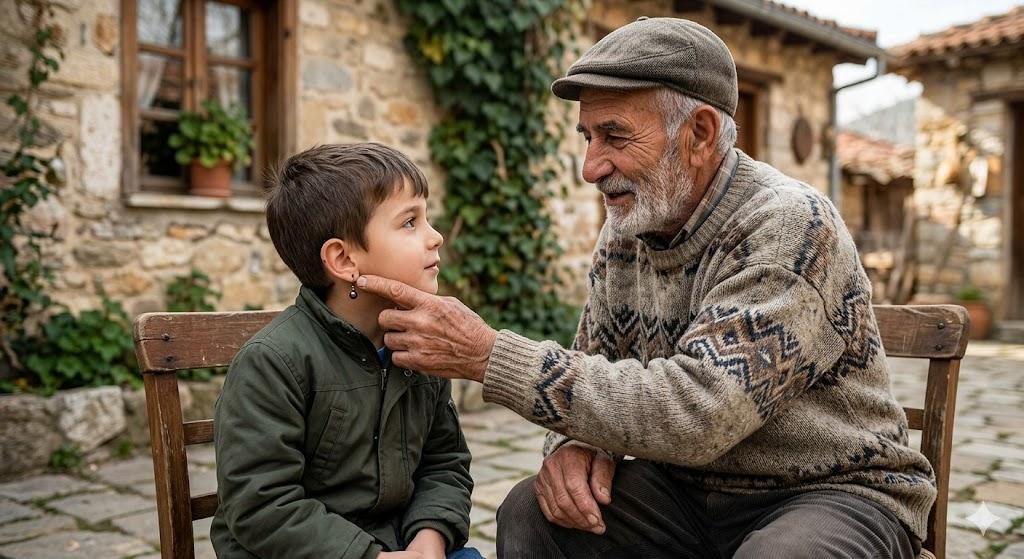
Have you ever heard a senior tell you an important piece of advice: “Don’t ever forget this, let it become an earring for your ear”? Why do we compare a lesson or advice to jewelry worn on the ear? Let us dive together into the depths of this colorful expression!
What Does This Expression Mean?
When a person learns a lesson from an event that happens to them or remembers a piece of advice so well that they never forget it, this is called kulağına küpe olmak (or etmek). This expression conveys that the knowledge gained should not be temporary but should serve as a guide for the future. Kulağına küpe olmak means to learn an unforgettable lesson from an experience and to remember that wisdom for life. Just as an earring worn on the ear remains there permanently, important advice we receive stays suspended in our minds and shows us the right path. For example, the lesson you learn after being excluded from a game for breaking its rules can become an earring for your ear, guiding you in the next game.【1】
A Valuable Lesson from the Past: Pend
In earlier times, poets greatly valued conveying much with few words. The poet Bursalı İbrahim Râzî, who lived around 300 years ago, frequently used this expression in his poetry. During that period, the word "pend" was used instead of "öğüt" or "nasihat." The poet wished that the advice he gave would become an earring for the ear, thereby gaining spiritual wealth. Thus, this expression has continued to guide children and adults for centuries!
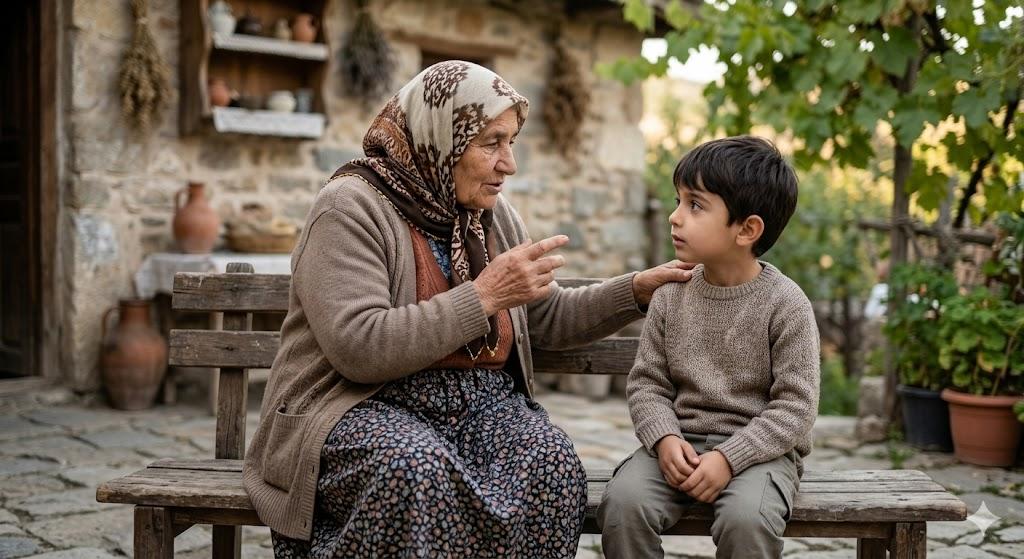
(generated by artificial intelligence)
Why an Earring? Why the Ear?
An earring has been a beloved ornament and valuable piece of jewelry throughout history. However, in this expression, the earring is not merely an adornment but also a symbol of commitment and "submission." In some historical communities, hoop earrings were worn on the ears to signify allegiance to a place or an idea. The word "ear" in this expression represents the channel through which knowledge reaches us; we mentally hang a valuable saying on our ear like an earring so that we never forget it.
Citations
[1]
Rabia Ademoğlu, "Bursalı İbrahim Râzî Divanı’nda Kıyafet Terimleri," Genç Akademisyenler Birliği Sosyal Bilimler Dergisi 1, sy. 1 (December 2021): 154,https://dergipark.org.tr/en/download/article-file/2692980