



To Shoot from the Bow
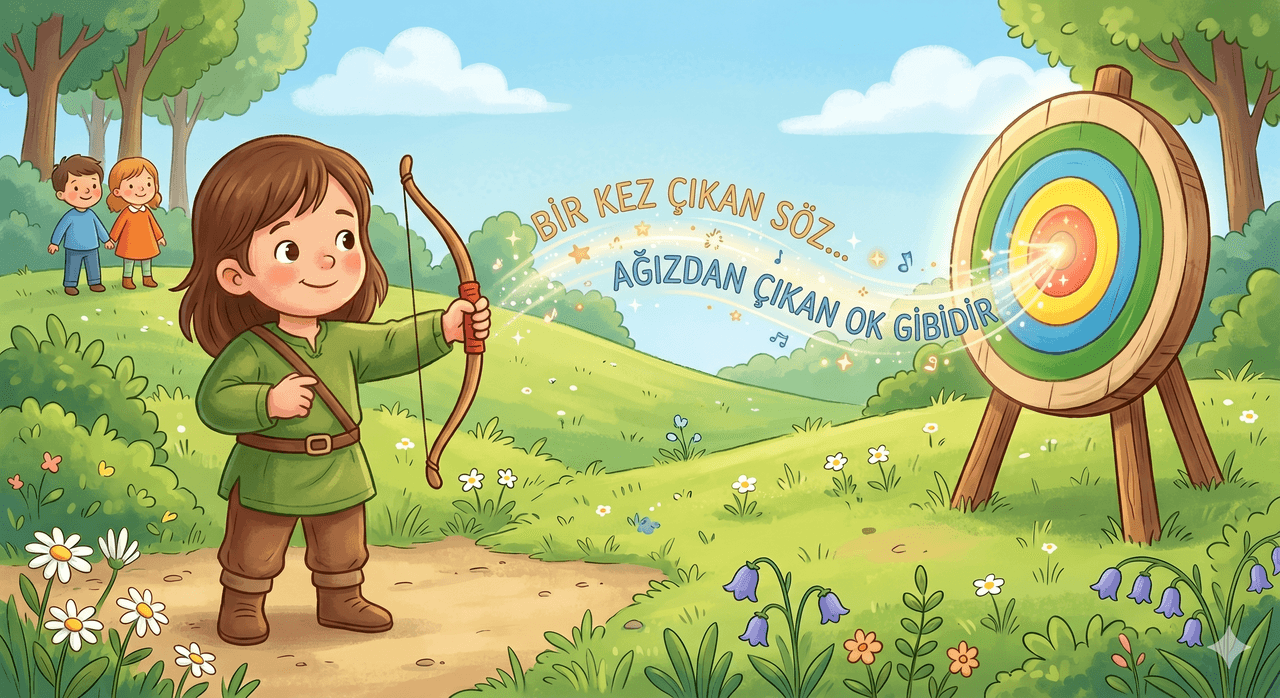
An arrow leaving the bow is a powerful idiom in our language that conveys determination and irreversible actions. At times in life, we make decisions from which there is no turning back or undoing what has been done. It is precisely for such definitive and irrevocable moments that we use this ancient yet vivid expression.
Meaning and Origin of the Idiom
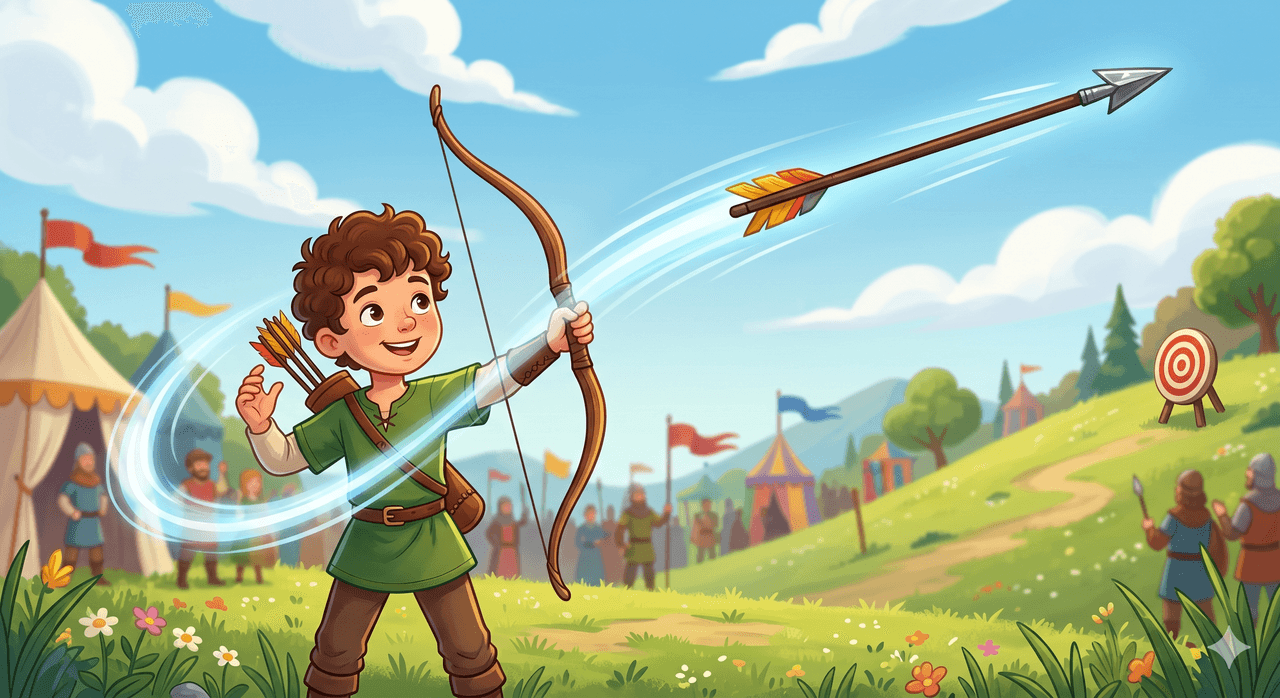
The phrase "an arrow leaving the bow" literally means to do something or say something that cannot be undone. Its origin lies in archery, an ancient sport once used by people for hunting, recreation, or communication.
Once an archer draws the bowstring and carefully aims at the target, releasing the arrow makes it impossible to catch or stop it mid-flight due to the incredible speed at which it travels through the air. Over time, this physical reality became a metaphor for human behavior, evolving into a symbol for decisive moments.
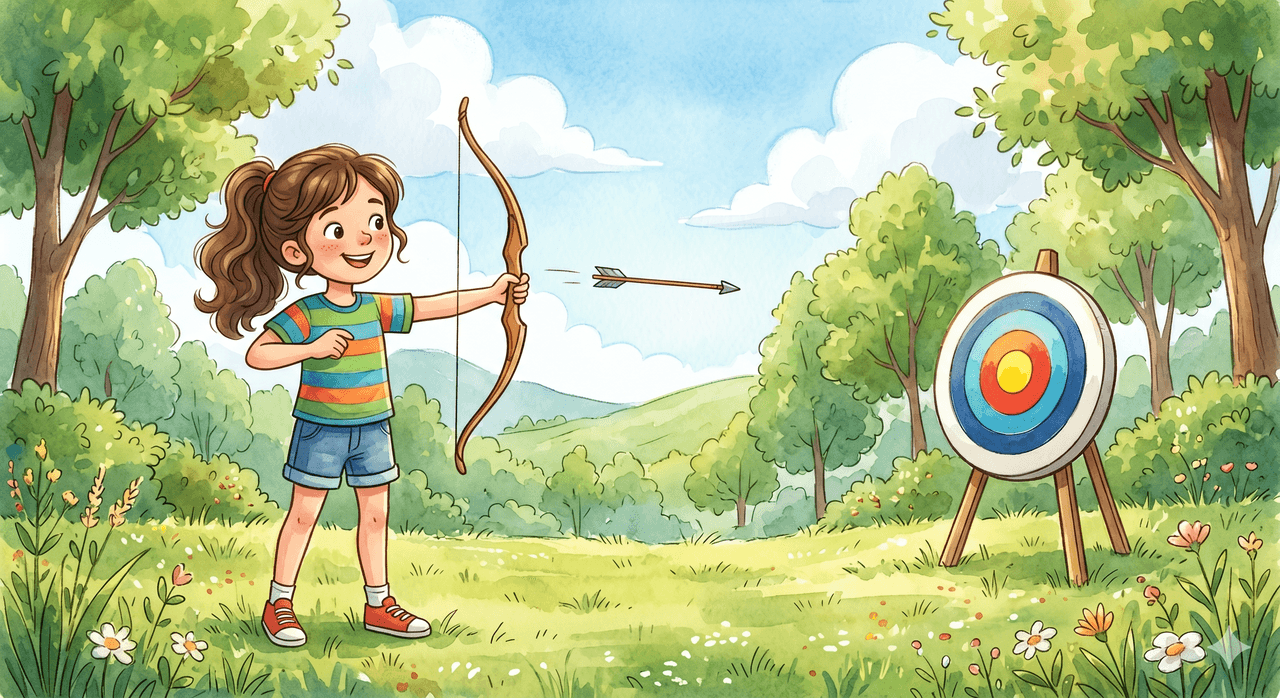
(Generated by Artificial Intelligence)
⌛ Time Travel
Let us travel back centuries, to the era when bows and arrows were among the most vital tools for people. At that time, individuals used these objects as the clearest examples to illustrate the irrevocability of an action. Over time, this practical observation passed from generation to generation and transformed into a remarkable idiom.
Its Place in Our Turkish Language and Cultural Significance
Idioms are among the most important components of our rich cultural heritage. They reflect the centuries-old observations and life experiences of our ancestors. The idiom "an arrow leaving the bow," like many of our other expressions, has been passed down orally and in writing from generation to generation, becoming an inseparable part of our culture.
This idiom frequently appears in our daily speech as well as in our stories, folktales, and literary works. Alongside similar expressions such as "burning the boats," it demonstrates how beautifully our language can express a single situation through different metaphors.
How Do We Use It in Daily Life?
We often experience this idiom without even realizing it in many areas of life. For example, imagine you are preparing a major science project at school. You have cut the materials, glued them together, and painted them. If you now wish to change the design from scratch, it may already be too late. At that point, you say, "The arrow has left the bow; I must now make this project the best version it can be."
Or suppose you are at a football match and kick the ball with all your strength. Once the ball is airborne, you cannot change its direction. You realize, "The arrow has left the bow; now we must face the outcome with courage." The same applies in art: when you accidentally drip paint on a canvas and cannot undo it, the arrow has left the bow — it is now time to create a masterpiece from that stain!

(Generated by Artificial Intelligence)