




Tulip Era
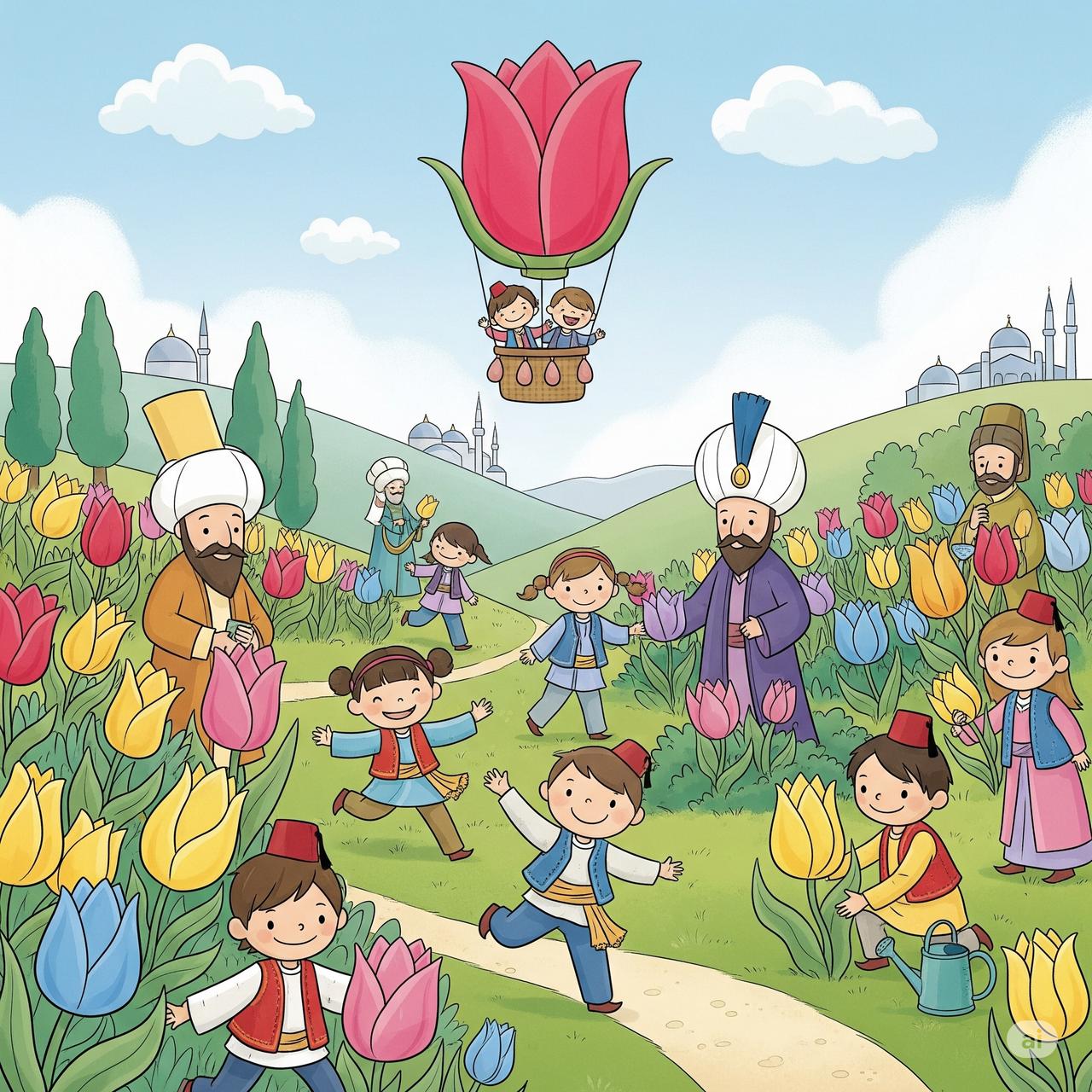
Once, a unique era unfolded in the Ottoman Empire, a time that warmed the hearts of all, centered around the colorful tulips. This period is known as the Tulip Era! During this time, people lived in peace and enjoyed days filled with art, entertainment, and innovation.
What Is the Tulip Era? Why Was It Named After the Tulip in the Ottoman Context?
The Tulip Era refers to the period in the Ottoman Empire between 1718 and 1730. The name derives from the tulip, a flower deeply cherished in Istanbul and the palace gardens. The tulip became a symbol of beauty, elegance, and love. During this time, everyone was filled with great enthusiasm for cultivating and tending to tulips. Competitions centered on tulips were even held. Thus, the name of this beautiful flower was given to the entire era.
(Generated with AI assistance)
How Did Life Pass During the Tulip Era? Art, Entertainment, and Innovations
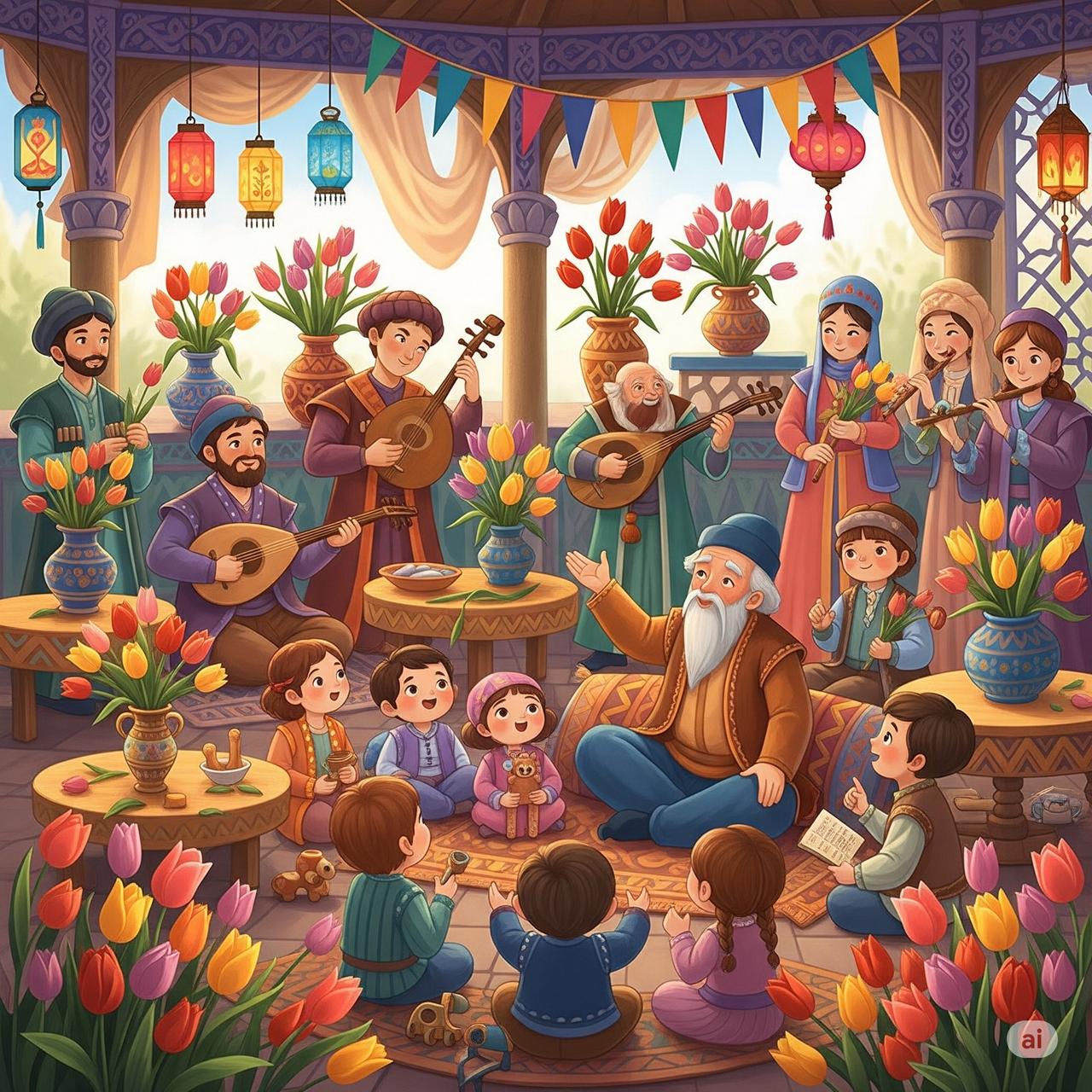
The Tulip Era was a time when art and entertainment were highly cherished. The famous poet of the age, Nedim, wrote poems about tulips and the good life. Colorful paintings and miniatures were created, and new music was composed. People greatly enjoyed spending time in palaces and gardens.
Moreover, during this period, a growing desire emerged in the Ottoman Empire to learn new things. Thanks to new ideas introduced from Europe, the printing press was established and books began to be printed. This made access to knowledge easier.
Important Buildings and Parks During the Tulip Era
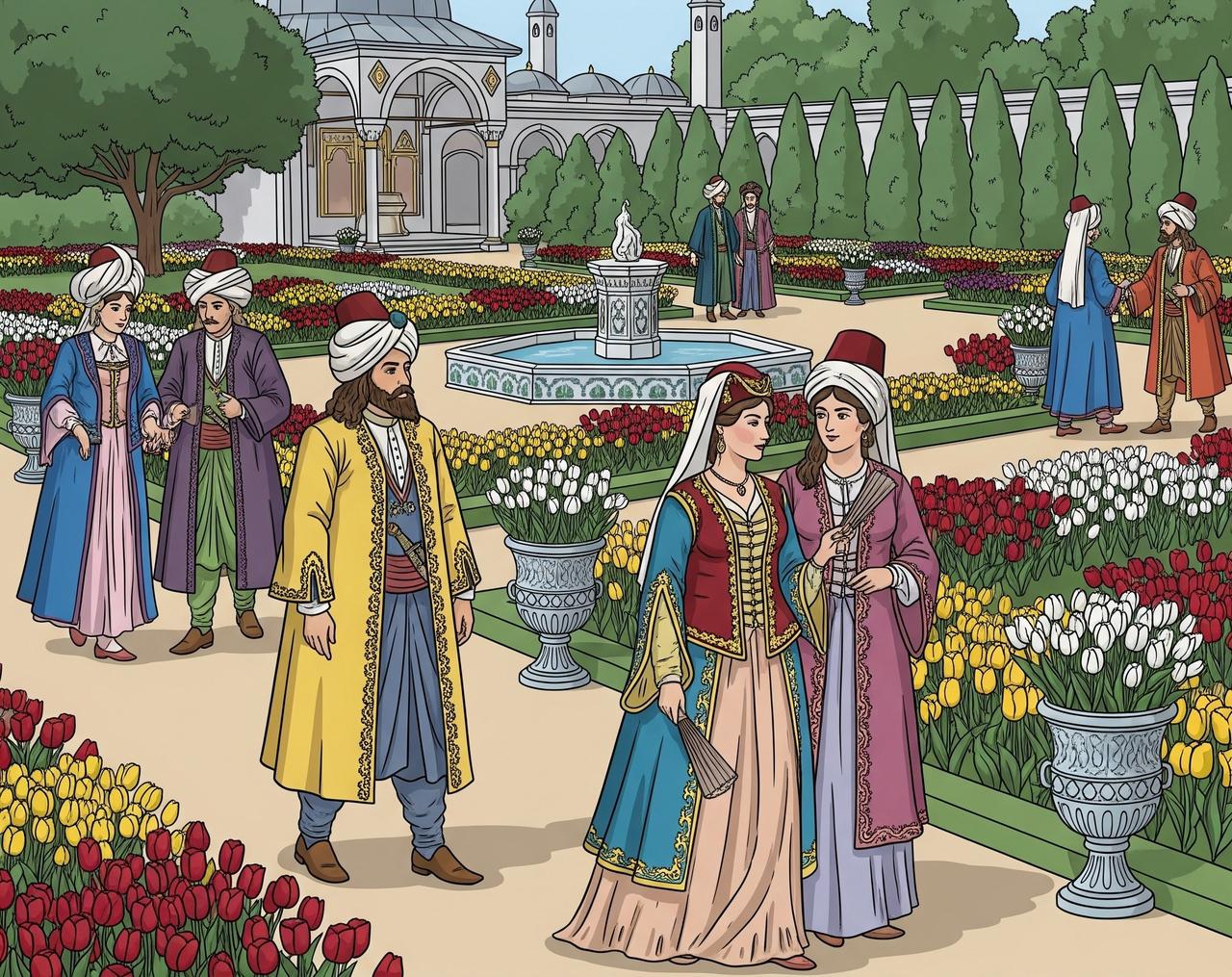
At the time, constructing beautiful buildings was of great importance. New pavilions and fountains were built in the palaces. Places like Sadabad Palace were used both for relaxation and amusement. People visited these sites to enjoy the tulips and the beauty of nature.
Parks were beautiful places where the public and the palace family spent their time, played games, and conversed. Thanks to these parks, people became more closely connected with nature.
Life of the People and the Elite During the Tulip Era
During the Tulip Era, some people lived in great wealth and comfort, while others faced hardship. Those living in the palace and the wealthy wore ornate clothing and hosted grand parties. However, a portion of the general population paid heavy taxes and lived under difficult conditions.
These disparities gradually caused unrest among the people. One such unrest, the Patrona Halil Rebellion, brought an end to the Tulip Era.
(Generated with AI assistance)
The Patrona Halil Rebellion and the End of the Tulip Era
The Tulip Era came to an end in 1730 with a rebellion led by a man named Patrona Halil and his followers. This uprising was a reaction against the luxurious lifestyles of the wealthy. As a result of the rebellion, Sultan Ahmed III was deposed and replaced by Mahmud I.
This event marked the end of the Tulip Era and ushered the Ottoman Empire into a new period.