



Türbe of Âşık Paşa
Aşık Paşa was born in 1272 in Arapsun (present-day Gülşehir), Nevşehir, and died in 1332 in Kırşehir. His real name was Ali; Aşık Paşa was both a poet and a mystic (someone engaged in Sufism). The title “Paşa” added to his name indicates that he was the firstborn son of his father.
In his works, Aşık Paşa used pure Turkish to write in a language accessible to the common people. His most important work is the extensive Garibname. He also authored other works including Fakrname, Vasf-ı Hal, Hikâye, Kimya Risalesi, and Risâle fî Beyâni’s-Semâ. He established a zaviye (a Sufi training center) in Kırşehir, where he taught religious and moral knowledge to people.
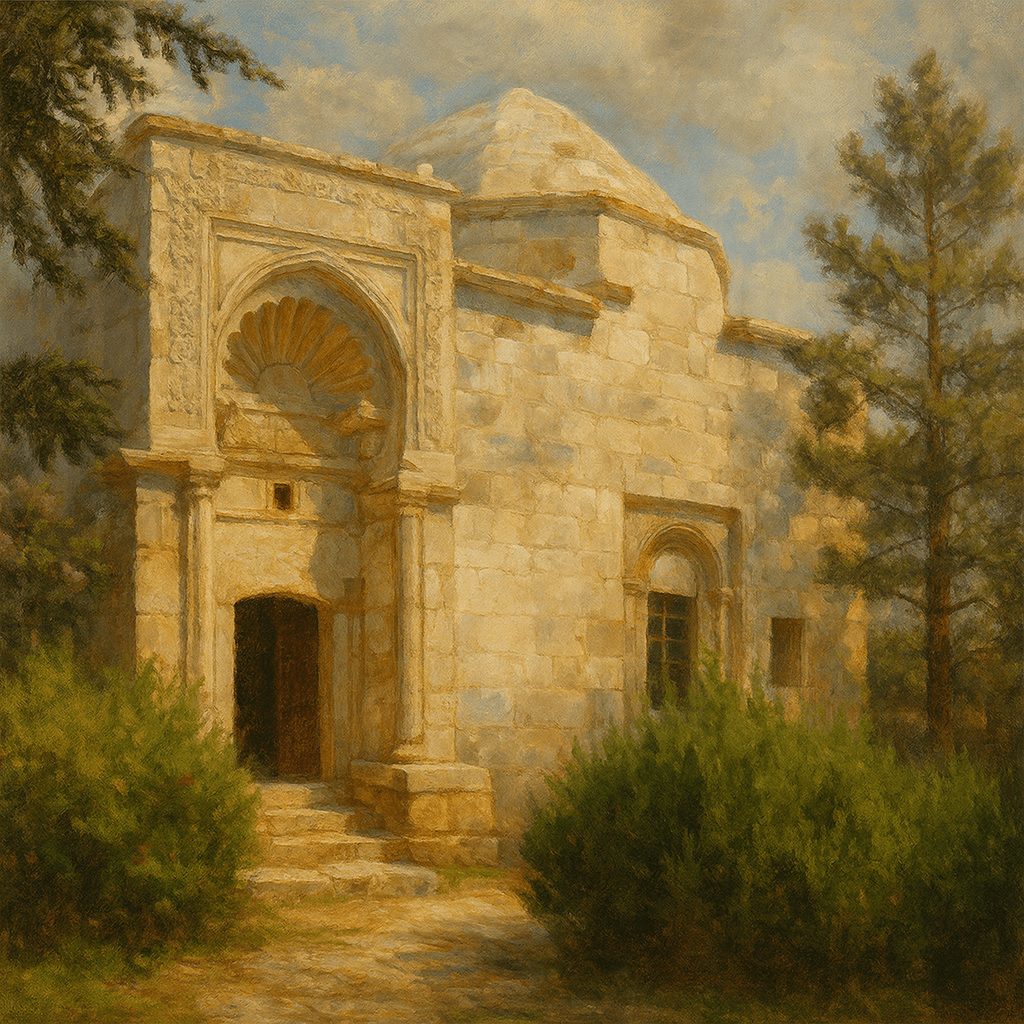
(Generated by Artificial Intelligence)
Where is the Tomb of Aşık Paşa?
The Tomb of Aşık Paşa is located within a large cemetery on a hill along the Ankara-Kayseri road, in the Aşık Paşa Neighborhood of Kırşehir. The tomb was built on a high hill in the northeastern part of the city after his death, in accordance with his wishes.
Architectural Features of the Tomb
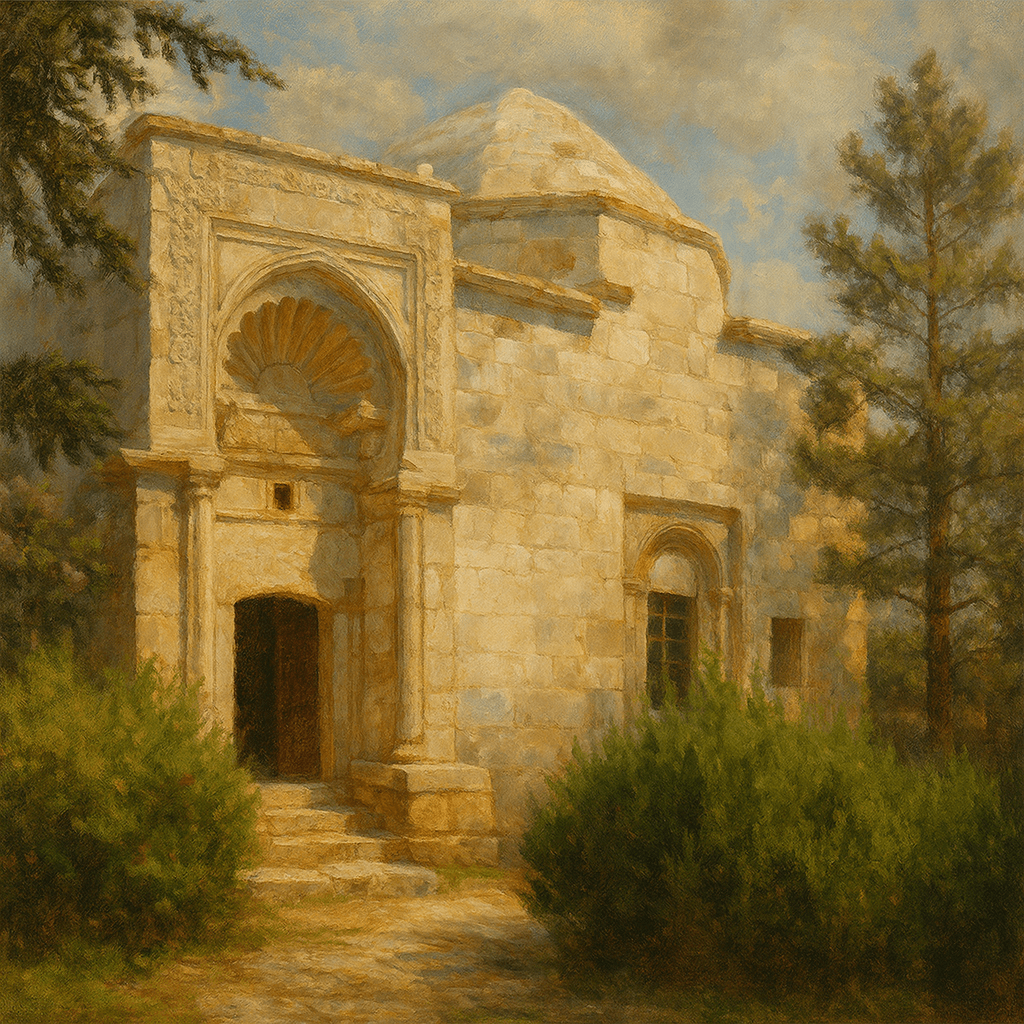
The tomb is constructed of marble and stands out for its distinctive architecture.
- The entrance section is rectangular, while the main chamber containing the sarcophagus is square in plan.
- The dome above the tomb resembles a Kyrgyz yurt, leading scholars to speculate that its architect may have been a Turk from Central Asia.
- The crowned portal is one of the fine examples of Anatolian Seljuk art. In particular, the shell-like decorative motifs are highly striking.
- The tomb is asymmetrical and features a unique and original structure, which grants it a special place in Anatolian Turkish-Islamic art.
Around the tomb are graves belonging to Aşık Paşa’s family. Today, the tomb serves both as a historical monument and as a spiritual site visited by the public.
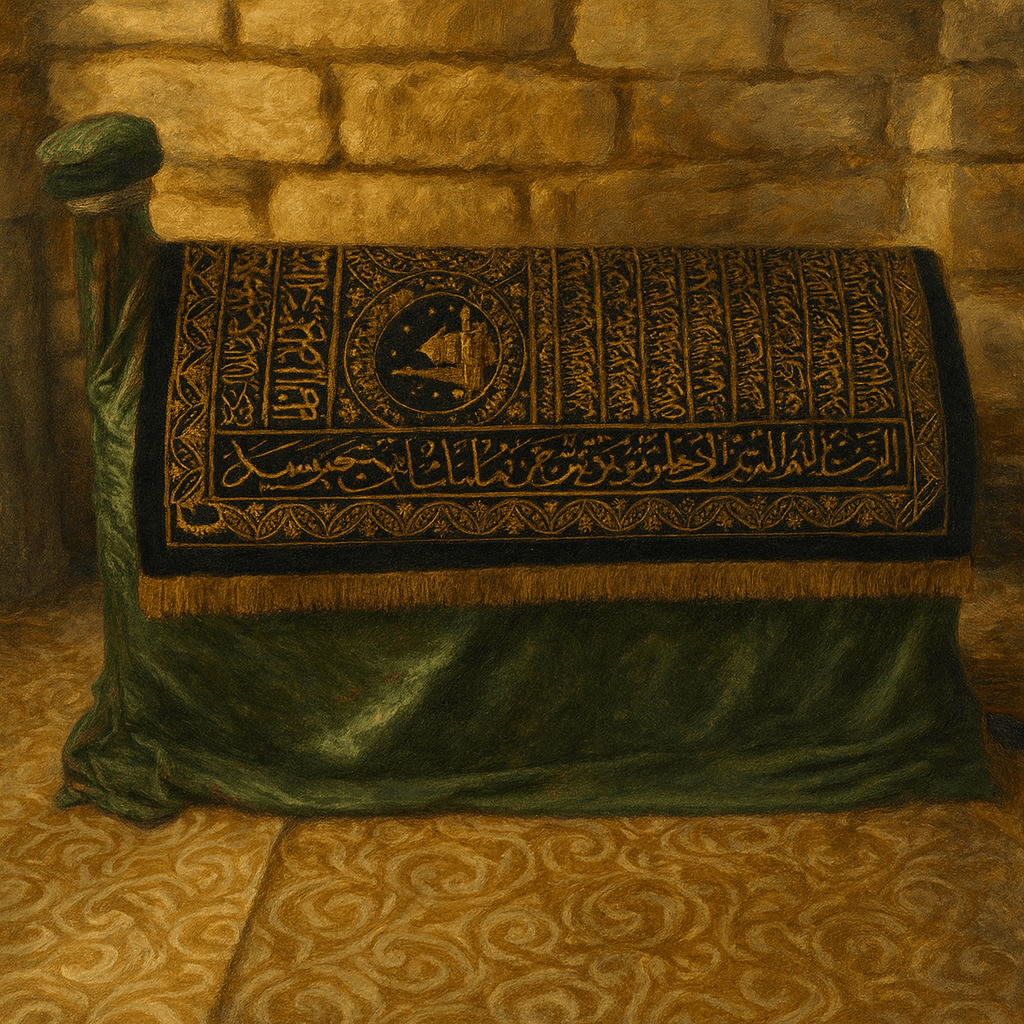
(Generated by Artificial Intelligence)